
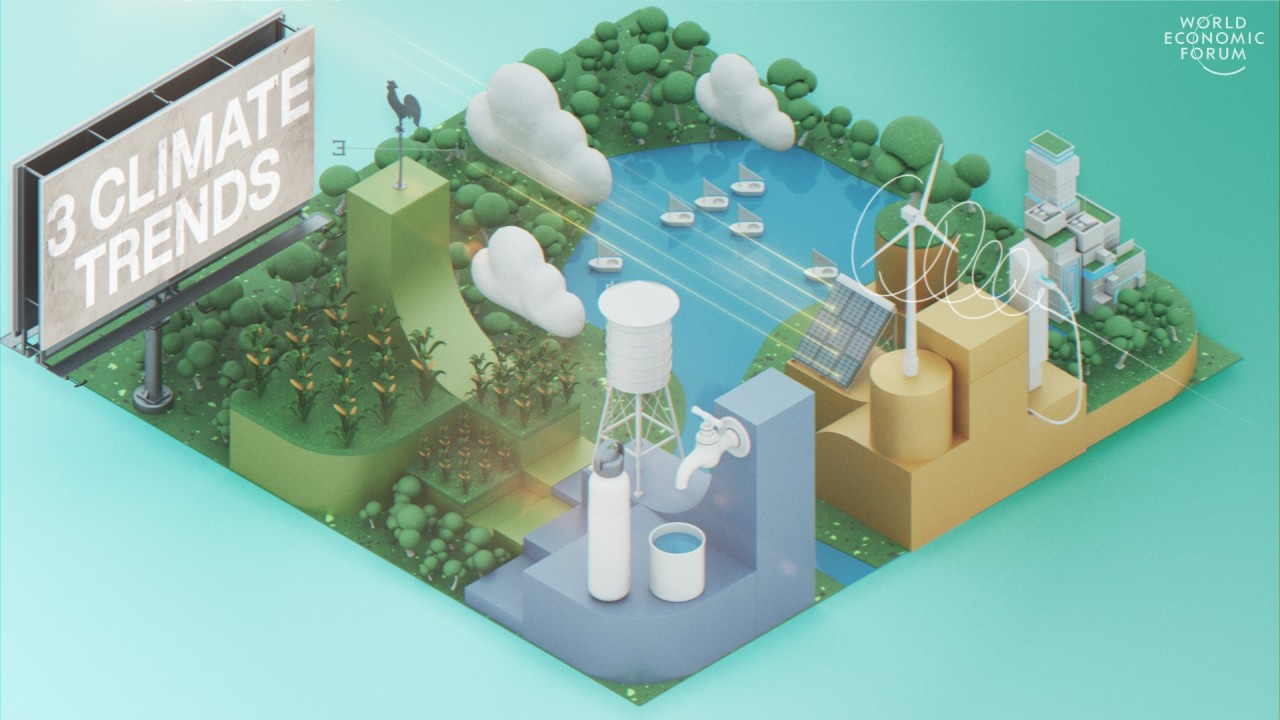
Three main issues covered in the World Economic Forum
1. How policy, culture and mindset are key to shaping #India’s #water future
India faces mounting pressure on its water systems as it supports nearly 18% of the population with only about 4% of the world’s freshwater resources. Significant inefficiencies compound the challenge, with an estimated 40–50% of piped water lost through leaks and distribution failures. While the country continues to invest in treatment plants, transmission networks and desalination capacity, infrastructure alone will not secure long-term water stability.
Sustainable progress depends on combining engineering with policy reform and community engagement. Initiatives such as Maharashtra’s Jalyukt Shivar programme have strengthened groundwater management through coordinated local action. Expanded subsidies and advisory services have encouraged farmers to adopt drip irrigation, easing pressure on scarce supplies. Meanwhile, behavioural shifts in cities like Bengaluru and Pune demonstrate that citizens can reduce demand when awareness and incentives align. The broader message emphasizes that India must integrate technical, institutional and cultural strategies to build lasting water resilience.
2. How climate change is reshaping the global #plastic pollution crisis

Plastic pollution and climate change operate as interconnected crises rooted in fossil fuel dependence. Because most plastics derive from oil and gas, their production and disposal generate significant greenhouse gas emissions. As plastic output has surged since the mid-20th century, emissions linked to its life cycle have also climbed.
At the same time, climate change alters how plastics behave once released into the environment. Rising temperatures, stronger ultraviolet radiation, shifting wind systems and more frequent extreme weather events accelerate plastic fragmentation and dispersal. These changes increase the mobility and persistence of plastic particles across land and marine ecosystems. The interaction forms a feedback loop. Plastics contribute to climate change, and climate change intensifies the environmental damage plastics cause. Addressing one crisis therefore requires confronting the other.
3. How to avoid #food security crises in #Africa’s megacities
Africa’s urban population has expanded dramatically over the past four decades, driving heavy reliance on imported food. This dependence exposes megacities to global disruptions caused by extreme weather, geopolitical instability or fuel price spikes. Simultaneous shocks could trigger supply interruptions, food inflation and social unrest.
To reduce vulnerability, policymakers must strengthen supply chain resilience and local production. Governments and international partners can stress-test food systems to anticipate disruptions and coordinate responses. Strategically managed emergency reserves could stabilize markets during crises. Expanding domestic agricultural capacity would not only improve urban food security but also support rural economies. Together, these measures aim to protect Africa’s rapidly growing cities from future food emergencies.
Reference
World Economic Forum. (2026, February 19). 3 Climate Trends – Issue 72. Linkedin. https://www.linkedin.com/pulse/3-climate-trends-issue-72-world-economic-forum-4lf2e/