
El Observatorio Global UDLAP (OGU) es una iniciativa sólida y necesaria para entender la complejidad del sistema internacional actual, especialmente considerando la relevancia estratégica de México en foros como APEC.
El OGU es un recurso valioso para monitorear temas apasionantes como la economía y la política globales y se consolida como un centro de análisis crítico coordinado por el Departamento de Negocios Internacionales de la UDLAP.
El Observatorio cuenta con cuatro pilares fundamentales:
APEC/PECC
Organismos Internacionales
Prensa Internacional
Think Tanks
Pilares del Observatorio
Te invitamos a explorar nuestro repositorio de noticias con los temas más actuales.

APEC / PECC
Esta sección es clave para el seguimiento del Foro de Cooperación Económica Asia-Pacífico, sobre todo ahora que México será sede del Foro en el año 2028. Se enfoca en:
- Seguimiento de políticas públicas regionales que inciden en el crecimiento económico.
- Análisis de comunicados de líderes y ministros.
- Temas de liberalización del comercio e inversión en la región transpacífica.

Organismos Internacionales
Monitorea la actividad de las instituciones que rigen la gobernanza global, tales como:
- Sistema de Naciones Unidas: PNUD, PNUMA, UNICEF, FAO, OIT, entre otros.
- Instituciones Financieras y Comerciales: Seguimiento puntual a la Organización Mundial del Comercio y al Fondo Monetario Internacional (FMI).

Prensa Internacional
Esta sección ofrece una cobertura objetiva y concisa de los acontecimientos a través del monitoreo de los principales diarios internacionales y agencias de noticias en diversas regiones geográficas como América Latina y el Caribe, África, Asia-Pacífico, Europa y Medio Oriente.

Think Tanks
El Observatorio mantiene alianzas con centros de reflexión en México que son referentes en la economía política global, tales como:
- PECC-México (Consejo de Cooperación Económica del Pacífico).
- COMEXI (Consejo Mexicano de Asuntos Internacionales).
- AMEI (Asociación Mexicana de Estudios Internacionales).
El OGU es un excelente espacio para dar seguimiento a las propuestas de políticas públicas orientadas a definir la posición de México ante los cambios en el entorno global. Actúa como un puente con la generación de conocimiento global, reseñando documentos de instituciones de prestigio mundial como:
- América del Norte: Brookings Institution, Carnegie Endowment, CSIS, Council on Foreign Relations (CFR), PIIE, Wilson Center.
- Europa y otros: Chatham House (Reino Unido), Bruegel (Bélgica), SIPRI (Suecia), JIIA (Japón).
Notas a través del mundo
A continuación te presentamos las notas de la Prensa Internacional que acontecen desde una vista geográfica.
África

América del Norte
América Latina y el Caribe
Ártico y Antártico

Asia Central
Asia del Sur

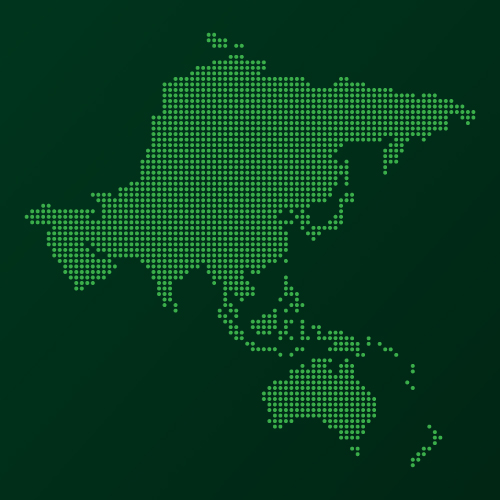
Asia – Pacífico
Europa

Global

Medio Oriente

¿Buscas algún acontecimiento?
Lee, analiza y comparte
-

US Iran military standoff deepens as Tehran warns warships away
Iranian armed forces vowed to prevent US warships from approaching territorial waters as President Trump weighs renewed military strikes. Meanwhile, oil prices surge past $117 amid escalating maritime attacks.
-

Elecciones en Brasil: Lula y Bolsonaro presentan un estrecho margen según encuestas
Las encuestas y mercados dan como favorito a Flávio Bolsonaro sobre Luiz Inácio Lula da Silva para la segunda vuelta presidencial. Sin embargo, la pequeña ventaja mantiene vivas las opciones de remontada.
-

Protestas en Italia transcurren sin incidentes tras detención del promotor en redes
La esperada jornada de protestas en Italia concluyó sin disturbios graves gracias a un amplio despliegue policial. Las autoridades arrestaron al presunto instigador en redes sociales mientras las marchas transcurrieron en calma.
-
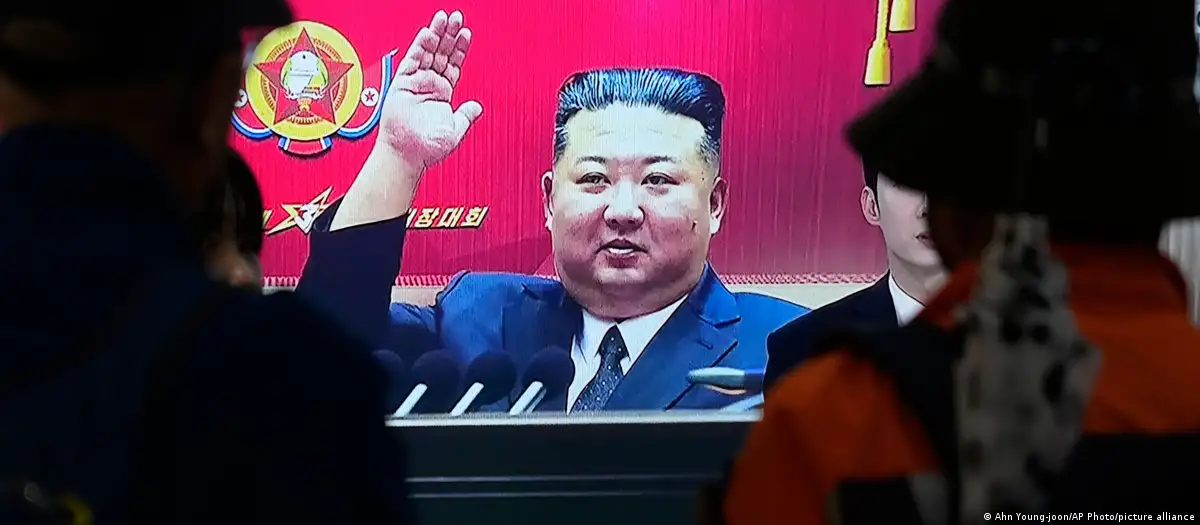
Kim Jong-un viaja a China por un puente recién inaugurado
El líder norcoreano Kim Jong-un viajó por sorpresa a la ciudad fronteriza china de Dandong a través de un puente recién inaugurado. La visita coincide con el aniversario de la Guerra de Corea y busca…
-

Czech public media funding overhaul advances despite fierce independence concerns
The Czech governing coalition voted to replace household broadcasting fees with state budget funding. Critics and striking journalists warn that the overhaul threatens the independence of Czech Television and Czech Radio.
-
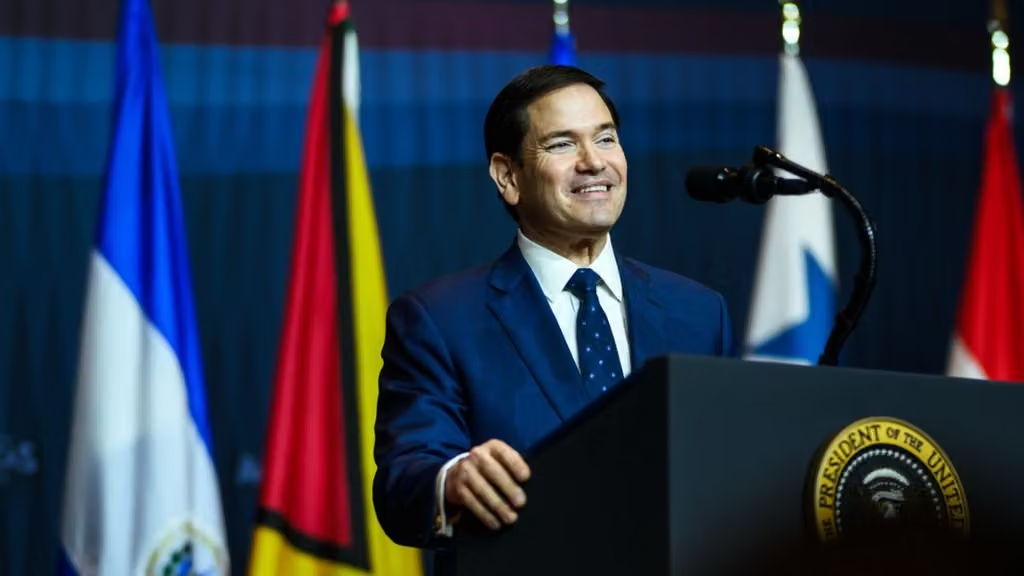
Marco Rubio pide a cubanos aliarse con la CIA para lograr un “cambio positivo”
El secretario de Estado de EE. UU., Marco Rubio, instó a los ciudadanos cubanos a aliarse con la CIA para impulsar un cambio de régimen. Las declaraciones, respaldadas por Donald Trump, provocaron el rechazo inmediato…
-

Elon Musk dona $446 millones en elecciones de EEUU y rompe récord
Elon Musk aportó 446 millones de dólares a comités republicanos para las elecciones de mitad de mandato. A pesar de sus pasadas discrepancias con Donald Trump, el magnate se convierte en el mayor donante del…
-
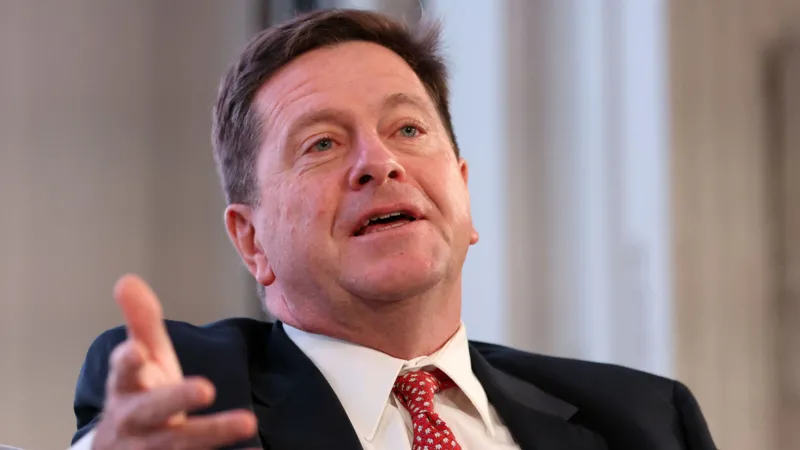
Iran trying harder to target US personnel in Middle East, intelligence chief warns
US National Intelligence Director Jay Clayton warned that Iran has substantially increased efforts to target US personnel in the Middle East. The escalating threat prompted ordered departures of embassy staff in Saudi Arabia.
-
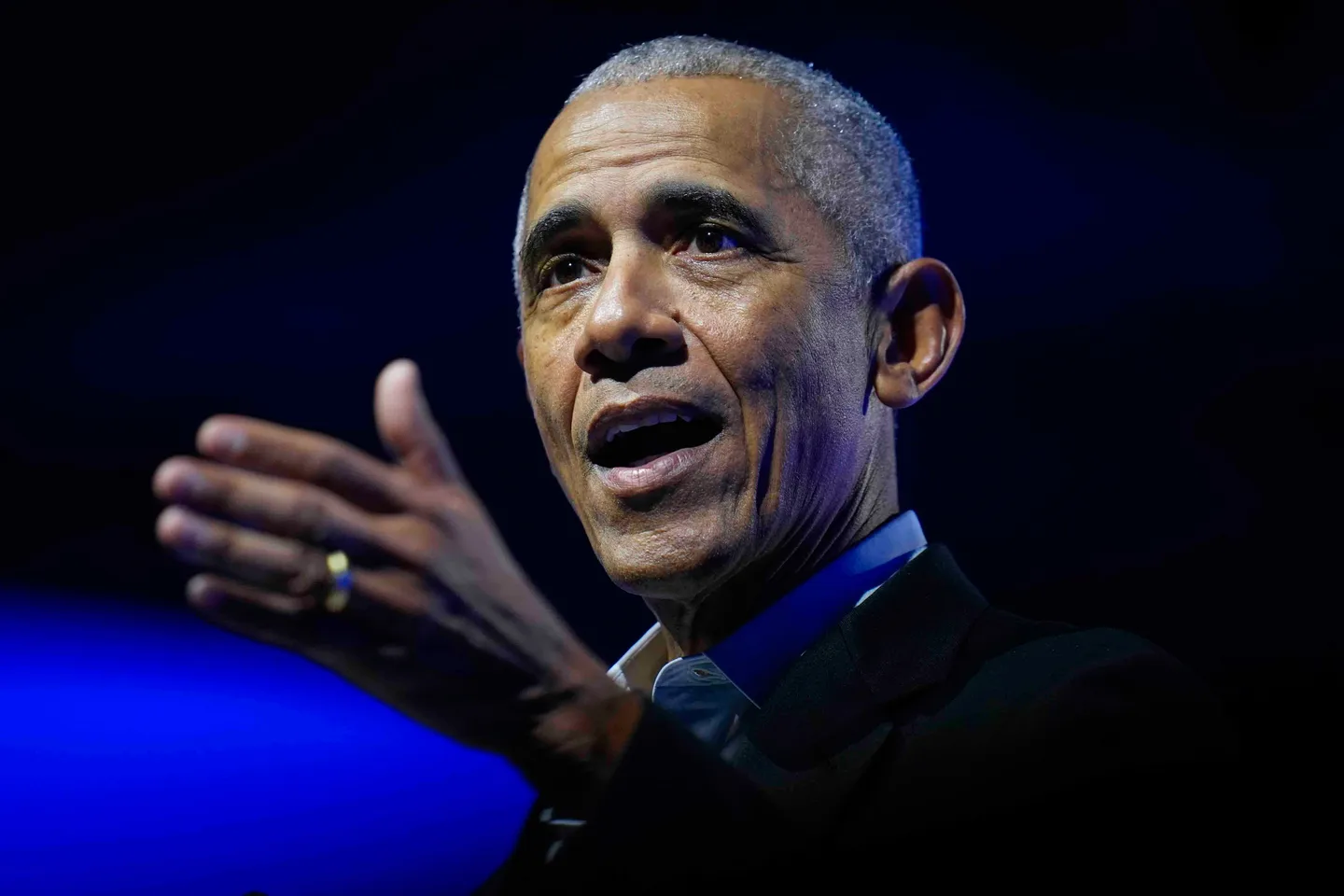
Obama attacks Trump as he campaigns for Democrats ahead of midterm elections
Former President Barack Obama hit the campaign trail for Democrats in Ohio, criticizing Donald Trump over rising inflation, the Iran war, and political rhetoric ahead of the 3 November US midterm elections.
-
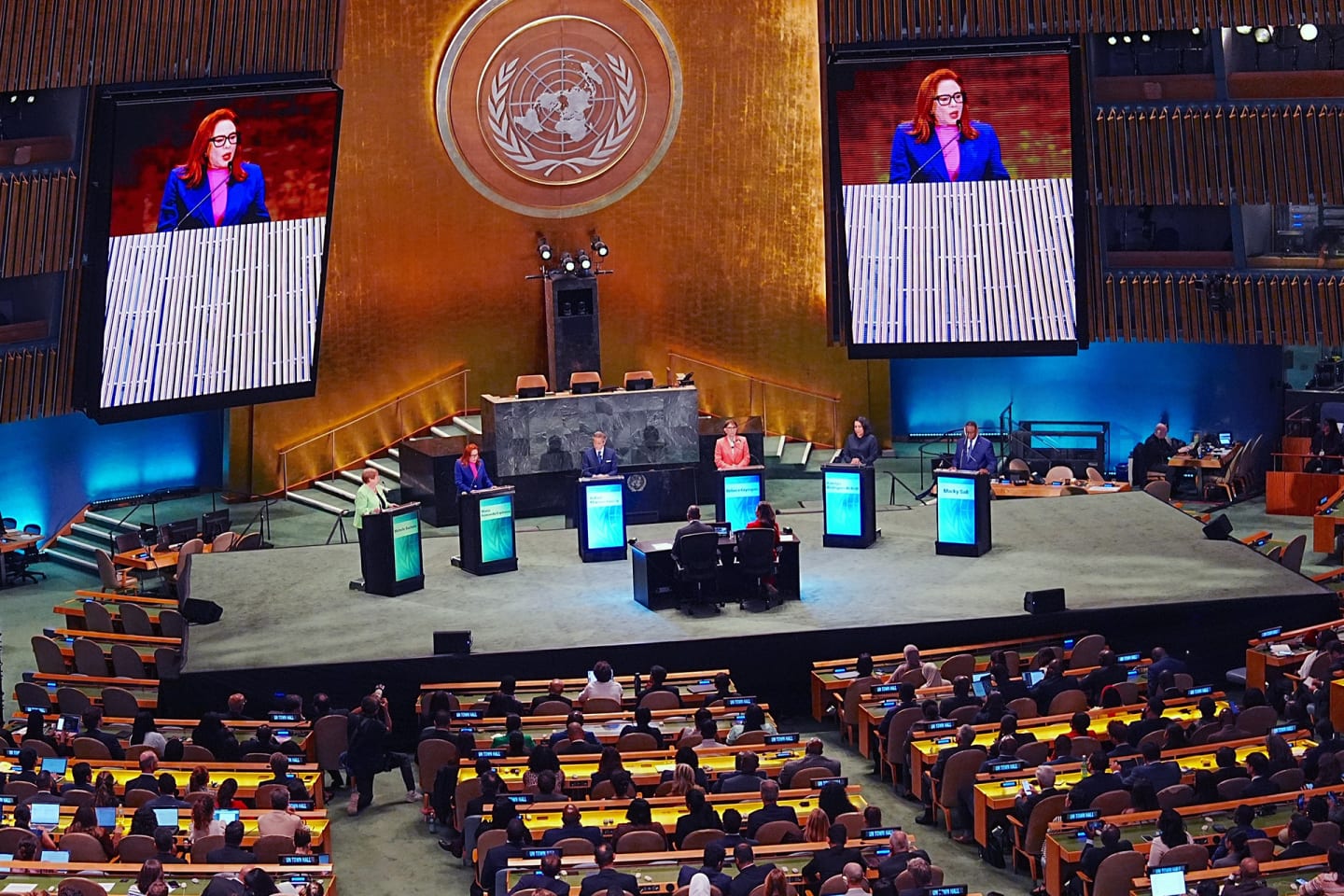
UN Secretary General candidates compete to lead global organization into new era
Six UN Secretary General candidates are vying to succeed António Guterres as the next United Nations leader. The historic race features strong female contenders and representatives from Latin America.
-

US attack Iran midterms decision poses major foreign policy challenge
President Donald Trump faces strategic options regarding whether a US attack Iran midterms escalation will follow the November 3 elections. Analysts evaluate military, economic, and diplomatic risks amid soaring energy prices.
-
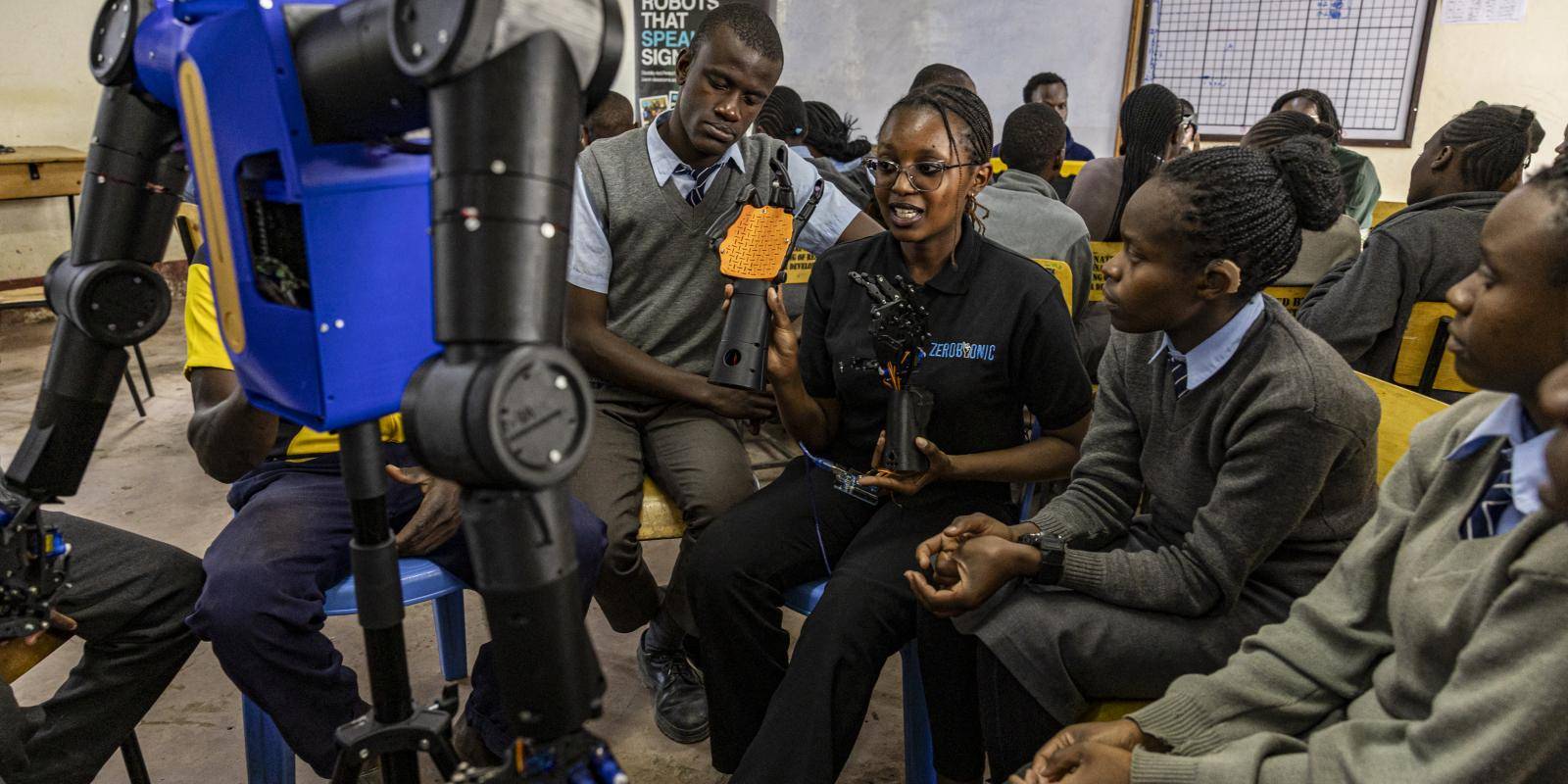
African states global influence grows through critical minerals and diplomacy
En: Think TanksAfrican nations are leveraging critical mineral reserves and demographic growth to expand international leverage. Experts discuss strategies for greater representation in global institutions like the UN Security Council.
-

US stocks drop to their worst day since July as inflation worsens
Inflation pushes major indexes lower United States stocks recorded their worst session since July after a report showed inflation accelerated more than economists expected. The S&P 500 fell 1.1%, marking its fifth decline in six…
-

Wall Street muscles higher despite more swings for AI stocks
Corporate profits lift US indexes United States stock indexes finished higher Thursday as strong company profits offset continuing instability among artificial intelligence shares. The S&P 500 gained 0.3% after reversing an early loss. Meanwhile, the…
-

Encuentran posibles señales de vida pasada en Marte en rocas con “manchas de leopardo”
La NASA ha identificado posibles indicios de vida antigua en Marte gracias a los descubrimientos realizados por el vehículo explorador Perseverance. Durante su investigación en el cráter Jezero, el robot encontró rocas sedimentarias con patrones…