
Wholesale Inflation Accelerates in August
U.S. wholesale inflation increased in August after showing signs of cooling earlier in the summer. The producer price index rose 5.4% from one year earlier, compared with 4.8% in July. Annual wholesale inflation had reached its 2026 peak of 5.9% in May.
On a monthly basis, producer prices increased 0.4% from July to August. The previous monthly increase was only 0.1%. These figures measure inflation before it reaches consumers and show that businesses continue to face significant pressure from rising production costs.
Persistent inflation is frustrating households already paying more for gasoline, groceries, clothing, and other necessities. It is also creating a political problem for President Donald Trump and Republican candidates before the midterm elections. Meanwhile, tariffs related to the trade dispute with Canada could add further costs.
Energy Costs Spread Through the Economy
Rising fuel costs were a major source of the August increase as fighting in the Middle East intensified. U.S. oil prices moved above $100 per barrel. Gasoline has risen 44% since the United States and Israel attacked Iran in late February, while diesel has climbed 59%.
Wholesale diesel prices jumped 24.1% during August and nearly 78% from one year earlier. Diesel powers large trucks and plays an important role in manufacturing, shipping, and transportation. Therefore, these increases could eventually make groceries, clothing, and many other delivered products more expensive. Shipping prices rose 2.3% last month.
Core producer prices, excluding food and energy, increased 0.2% during August and 4.6% annually. The annual rate was 4.2% in July. Airfares, hospital care, and electronic components also became more expensive. Strong investment in artificial intelligence data centers helped lift component prices, while food prices rose only 0.1% and electric utility costs declined.
Federal Reserve Watches the Next Reports
The wholesale report could influence whether the Federal Reserve raises its short-term interest rate at its next policy meeting. Producer price data helps calculate the Fed’s preferred inflation measure, which is scheduled for release on September 30. Airfares rose 4.2%, while hospital and physician services also increased.
Friday’s consumer price index will provide another important signal. Some officials favor higher rates if consumer inflation remains strong, but others support holding rates steady if prices cool. Economist Stephen Brown expects the Fed to raise rates during 2026 even if officials decide against an immediate increase.
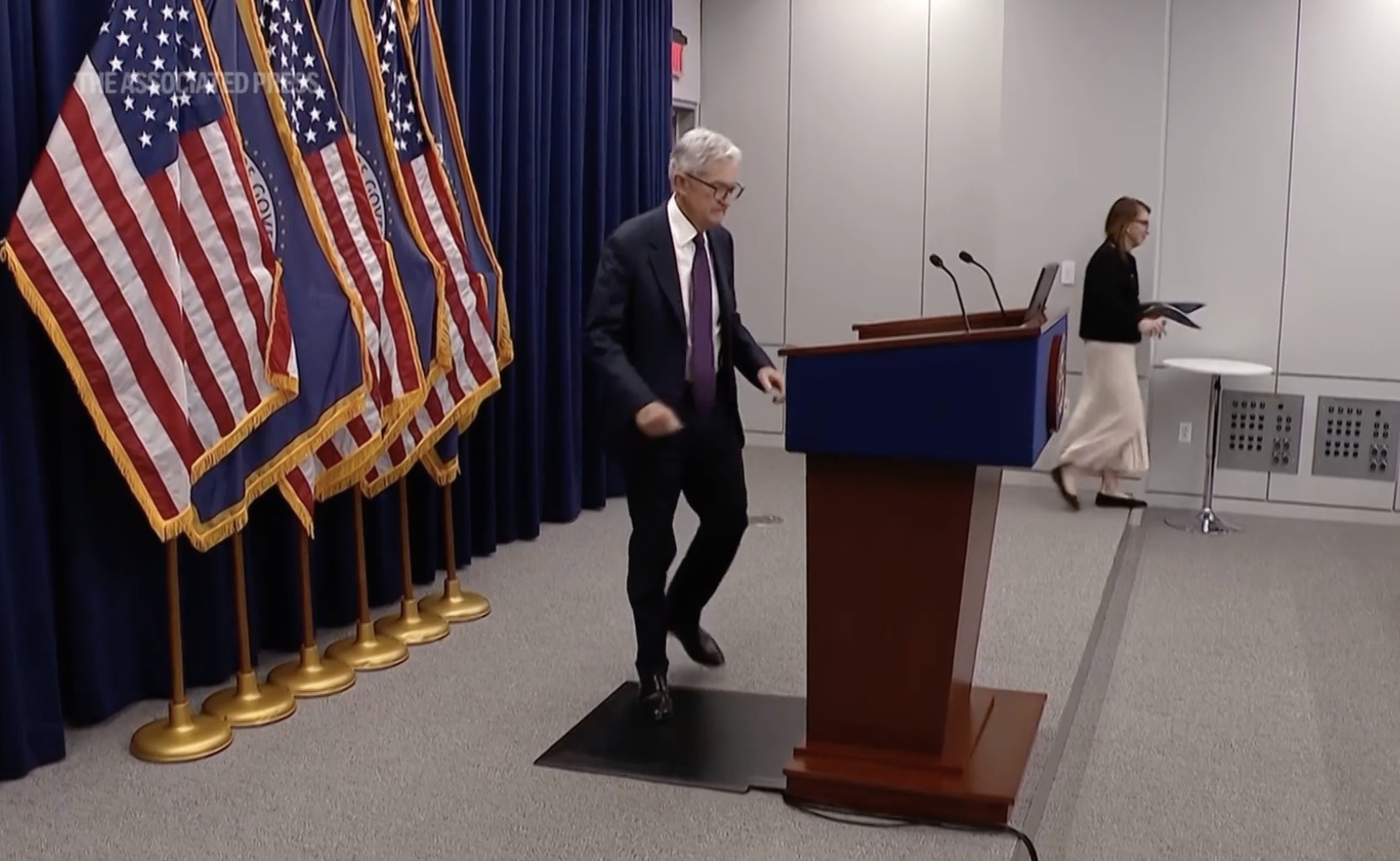
Chair Kevin Warsh has said the central bank needs confidence that underlying inflation is moving toward its 2% goal. Governor Christopher Waller has taken a more cautious position and could support keeping rates unchanged. The debate also depends on whether energy costs are temporary or spreading across the economy. More than half of 199 tracked categories have risen at least 3% annually.
References
Rugaber, C. (2026, September 10). US wholesale prices rise in latest sign of stubborn inflation as oil prices continue to climb. AP News. https://apnews.com/article/producer-prices-inflation-economy-iran-66d1591b979271ee7b79b113d715f6ef