
A Global Competition for Financial Skills
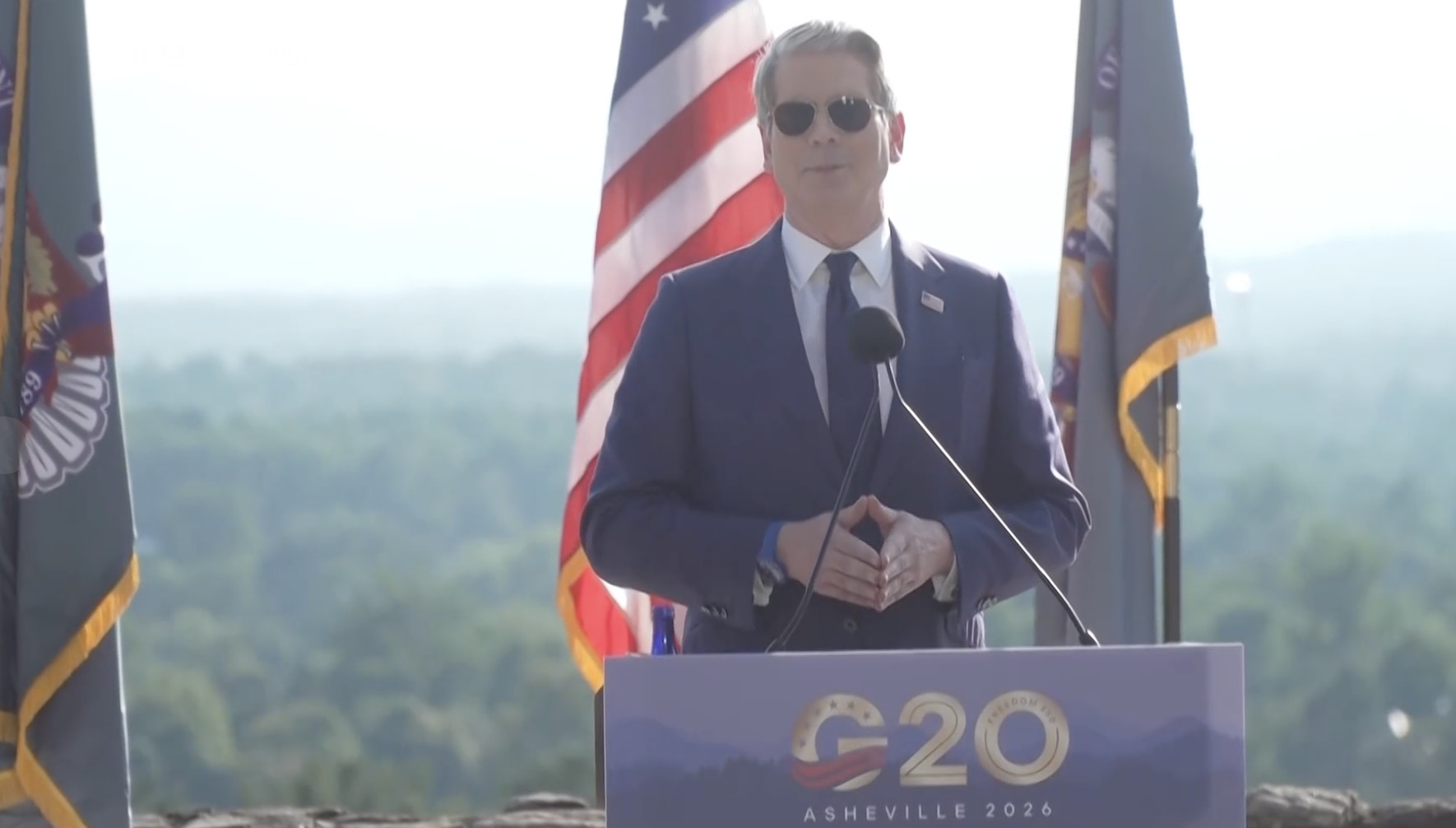
Treasury Secretary Scott Bessent proposed a financial literacy campaign to leaders from the world’s largest economies. He introduced the idea while hosting finance ministers from rich and developing countries at a Group of 20 meeting. His proposal centers on a U.S.-sponsored competition called the Financial Literacy Solutions Sprint.
The competition will search across G20 countries for technology- and data-based ideas that can improve financial knowledge. Organizers will select four finalists before choosing one or two winning teams. The winners will receive recognition during the World Bank and International Monetary Fund annual meetings in Bangkok during October.
Bessent has connected the campaign to his own childhood experience with financial hardship in rural South Carolina. He began working at age nine in a cafeteria and later set up beach chairs and umbrellas. His father, a real estate developer, lost generations of family wealth after taking on excessive debt.
Trump Accounts Become the Main Example
Bessent presented Trump Accounts as a model that other countries could consider. The program provides a $1,000 investment account to babies born during President Donald Trump’s second term. According to the Treasury Department, about 7 million children are enrolled in the program.
Treasury data also shows that 86% of participants come from families earning less than $200,000 annually. The program reflects Bessent’s broader effort to encourage saving and investment from an early age. He believes that similar policies can give children a stronger financial foundation as they grow.
Soon after becoming Treasury secretary, Bessent also launched Financial Literacy Month. That initiative focuses on basic skills such as creating a workable budget and saving for future needs. It also teaches people how to protect themselves from financial scams and fraud.
Income and Living Costs Shape the Criticism
Critics argue that financial knowledge does not solve the main problem facing many households. In their view, people often lack enough disposable income to invest, regardless of how much they understand about personal finance. Current economic conditions have strengthened that criticism.
A July poll from The Associated Press-NORC Center for Public Affairs Research found that about seven in ten adults rated the economy poorly. Many Americans remain unhappy with the cost of living. Higher gasoline prices linked to the war in Iran have added more pressure to household budgets.
Julie Morgan of the Century Foundation said Americans cannot educate themselves out of their current financial problems. She also criticized Bessent for placing responsibility on personal decisions while government policies affect household finances. The debate shows the different views surrounding the campaign as Bessent promotes it internationally.
References
Hussein, F. (2026, September 1). Bessent pitches US-backed financial literacy competition to world’s largest economies. AP News. https://apnews.com/article/treasury-bessent-g20-financial-literacy-5fa98e6e00f40165af83848d87e11884