
Rates Reach a Fourteen Month High
Mortgage rates increased for a third consecutive week, making home financing more expensive for borrowers across the United States. Freddie Mac reported that the average 30-year fixed mortgage reached 6.76%, up from 6.71% one week earlier. The average stood at 6.35% during the same period last year.
This is the highest 30-year rate since June 26, 2025, when it reached 6.77%. Borrowing costs also rose for 15-year fixed mortgages, which are commonly used when homeowners refinance. Their average rate increased from 6.04% to 6.09%, compared with 5.5% one year ago.
Higher rates can add hundreds of dollars to a borrower’s monthly payment and reduce the price of a home they can afford. Some potential buyers may also postpone their plans. This pressure helps explain why the national housing market remains weak and home sales have shown little progress.
Bond Yields Push Home Loans Higher
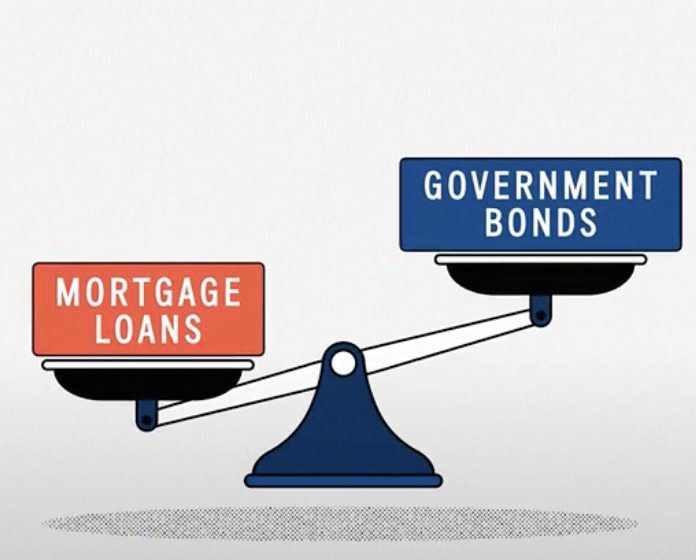
Mortgage rates respond to inflation, Federal Reserve policy, economic expectations, and movements in the bond market. They generally follow the 10-year Treasury yield because lenders use it as an important guide when pricing home loans. That yield has risen considerably during 2026.
By midday Thursday, the 10-year Treasury yield stood at 4.92%, compared with 4.77% one week before. It was only 3.97% in late February, before the U.S. war with Iran. The conflict pushed oil prices higher and increased concerns that inflation could remain elevated.
Worries about growing federal debt have also contributed to higher long-term bond yields. The Treasury Department intervened during the previous month as borrowing costs climbed. These forces have brought yields to levels not seen since late 2023, when the Federal Reserve was fighting post-pandemic inflation.
Federal Reserve Policy Adds Uncertainty
Persistent inflation is increasing pressure on the Federal Reserve to consider another rate increase. Chair Kevin Warsh recently said inflation had not improved enough and suggested that the central bank might have more work ahead. His remarks indicated that officials could act during their September 15 and 16 meeting.
Wall Street traders estimated a roughly 70% probability of a rate increase, up from 61% one day earlier. Although the Fed does not directly set mortgage rates, its short-term policy decisions influence bond investors. Those market reactions can eventually affect Treasury yields and the rates offered to homebuyers.
The housing market has struggled since mortgage rates began rising from pandemic-era lows in 2022. Sales of previously occupied homes were almost unchanged last year and remained near a 30-year low. With borrowing costs climbing again, buyers face another obstacle in a market already limited by affordability problems.
References
Veiga, A. (2026, September 10). Mortgage rates climb: Average rate on a 30-year home loan hits the highest level in over 14 months. AP News. https://apnews.com/article/mortgages-interest-rates-economy-housing-real-estate-b0b8520fb475e712c400062658306cd4