
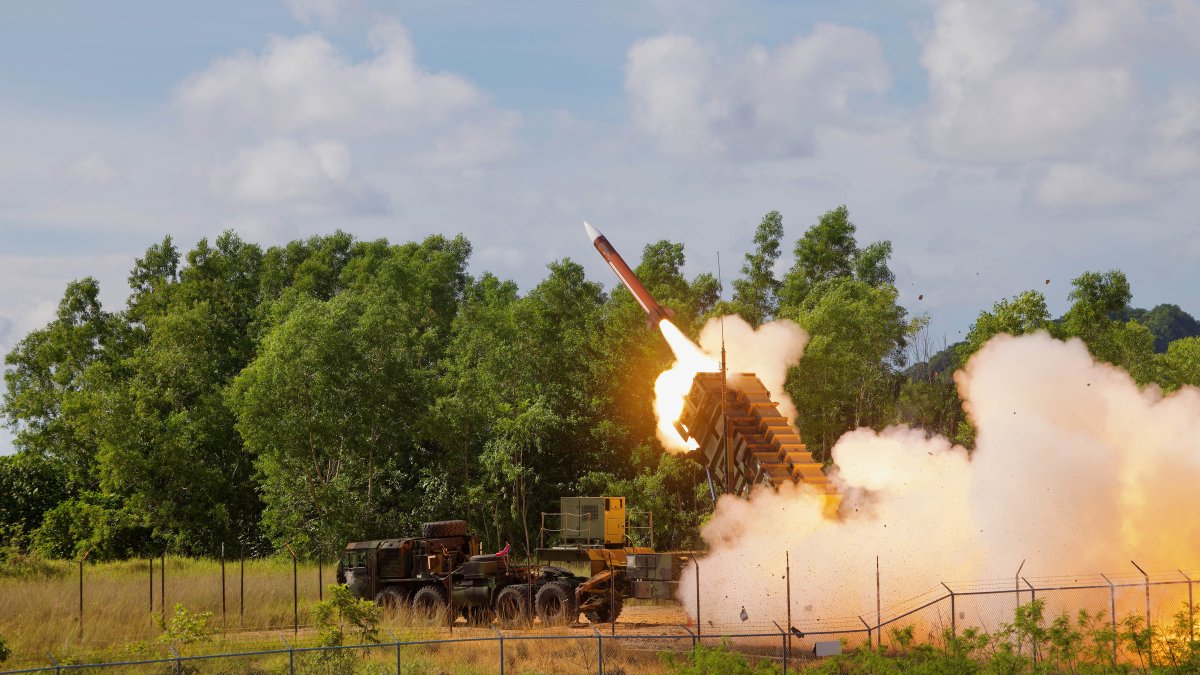
The depletion of United States military munitions stockpiles stems from a complex mix of active operational usage and long-standing structural issues. Recent intensive military engagements in the Middle East have heavily drawn down stockpiles of high-end precision weapons. Including missile defense interceptors like Patriot, THAAD, and SM-series missiles, as well as long-range attack assets like Tomahawk and JASSM missiles. This creates significant strategic confusion and uncertainty, as weapons originally accumulated to deter major-power conflicts in the Western Pacific against China are being consumed in regional wars. While cheaper precision options exist in deeper supply, relying on them creates tactical confusion by forcing aircraft to operate closer to hostile air defenses.
Beyond active combat, the shortfall reflects decades of post–Cold War planning. After the Soviet Union dissolved, defense strategy shifted toward preparing for shorter, limited regional conflicts rather than sustained great-power war, leading to smaller procurement orders. During the 1990s, defense industry consolidation shrank the roster of major prime contractors from 51 down to 5. The remaining industrial base was optimized strictly for lean, efficient peacetime production rather than maintaining backup surge capacity. As a result, when demand suddenly spiked, the manufacturing infrastructure could not rapidly scale up, creating supply chain confusion and production bottlenecks.
Budgetary priorities inside the Pentagon further exacerbated the deficit. During annual budget allocations, long-term visible platforms, such as ships, armored vehicles, and aircraft. Consistently won out over munitions, which were frequently treated as bill-payers and stored away in bunkers until needed. Compounding this, recent military actions across the Middle East against Houthi forces and during regional exchanges consumed substantial quantities of high-end interceptors and strike missiles.
Transfers to allies have also played a role, though their impact is often misunderstood. Most equipment provided to Ukraine consists of ground-combat hardware, which has minimal overlap with the high-end naval and air assets needed for a potential Pacific conflict. However, critical exceptions—such as Patriot interceptors, ATACMS, and short-range air defense units—have seen notable inventory drops.
Ultimately, the nation faces a perplexing dilemma: using existing munitions achieves immediate operational objectives, yet doing so worsens future readiness risks. While efforts to surge domestic production are underway, lead times for complex munitions range from two to four years from contract signing to delivery. This delay creates a persistent window of vulnerability where monetary investment cannot immediately eliminate operational confusion or restore depleted inventories.
Reference
Cancian, M. F., & Park, C. H. (2026, August 3). Six Reasons Why the United States Is Low on Munitions. CSIS; Center for Strategic and International Studies. https://www.csis.org/analysis/six-reasons-why-united-states-low-munitions