
Electric Vehicles Accelerate Southeast Asia’s Automotive Market
The rapid adoption of electric vehicles (EVs) is helping revive automobile sales across Southeast Asia, according to Nikkei Asia. Vehicle sales across major ASEAN markets increased by approximately 11% year on year during the second quarter of 2026, with Indonesia, Malaysia and Thailand contributing significantly to the regional recovery. Indonesia stood out as the strongest market, with sales rising 34% to 227,545 vehicles during the quarter.
Indonesia Becomes a Key Market for Chinese Automakers
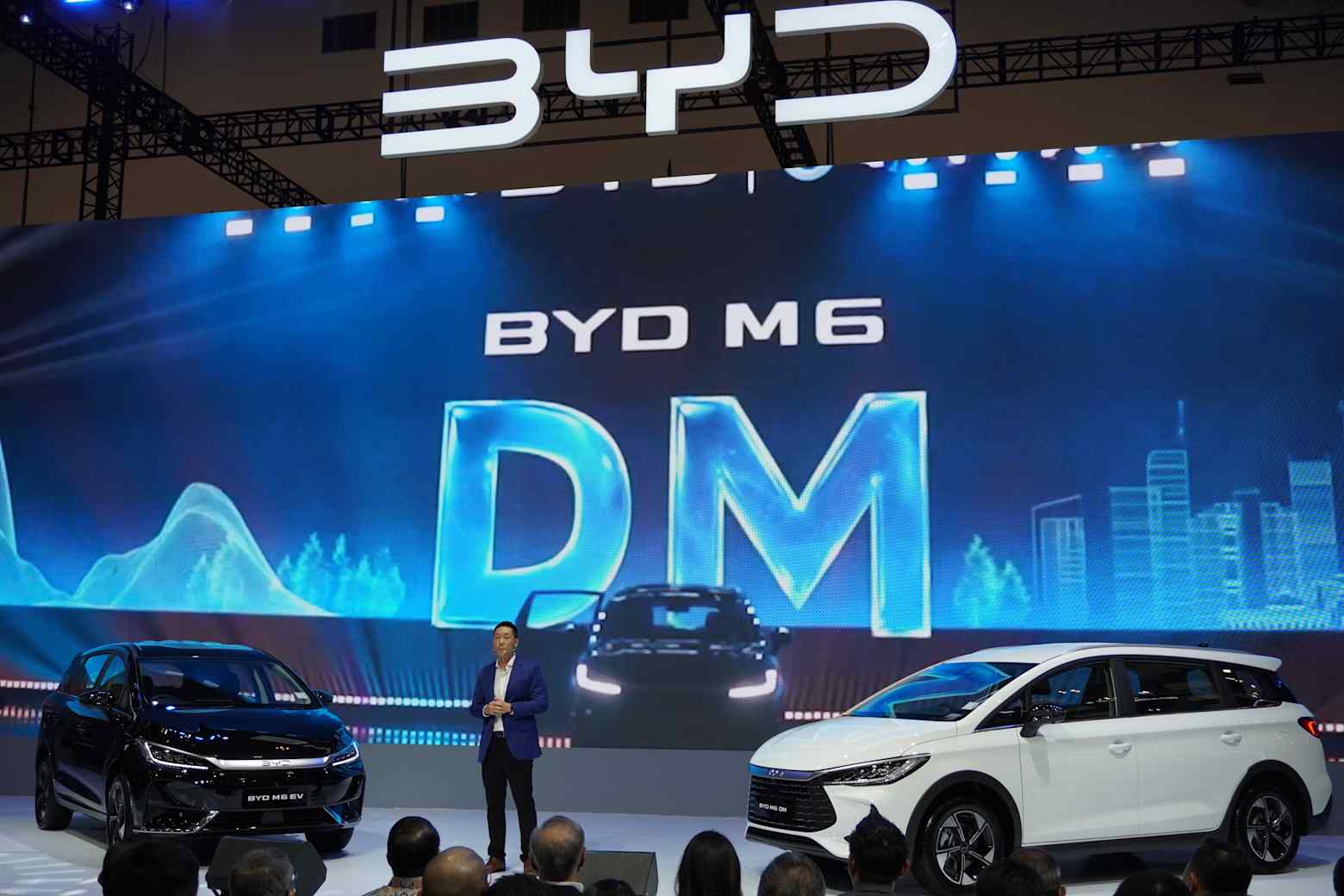
Indonesia’s automotive recovery has been closely linked to growing consumer interest in Chinese electric and plug-in hybrid vehicles. Companies such as BYD and Chery have rapidly expanded their presence in the country’s automotive market. BYD captured approximately 5.3% of Indonesia’s overall vehicle market during the first half of 2026, while Chery’s Jaecoo reached around 4%.
The growing presence of Chinese manufacturers represents an important shift in a region that has historically been dominated by Japanese automakers. Chinese companies are increasingly competing through affordable EVs and plug-in hybrid models, allowing them to attract consumers who remain concerned about charging infrastructure and driving range.
EVs Reshape the ASEAN Automotive Industry
The expansion of electric vehicles is not occurring uniformly across Southeast Asia. Malaysia has reached an important milestone in which EV sales have surpassed hybrid vehicles, while Vietnam’s automotive growth has been supported by domestic manufacturer VinFast. Singapore, meanwhile, has developed into one of the region’s most mature EV markets.
These differences demonstrate that ASEAN countries are following different paths toward vehicle electrification depending on government incentives, infrastructure, consumer preferences and the presence of domestic manufacturers.
Government Policies Support the Transition
Indonesia’s government has also indicated that it intends to introduce additional incentives to encourage EV purchases, including electric motorcycles. The measures form part of a broader effort to accelerate the country’s transition toward cleaner transportation and strengthen its emerging EV industry.
Government incentives are becoming increasingly important in determining the competitiveness of EV manufacturers throughout Southeast Asia, particularly as countries seek to attract investment in battery production, vehicle assembly and related technologies.
Southeast Asia Emerges as a New Automotive Manufacturing Hub
The development goes beyond vehicle sales. Southeast Asia is increasingly becoming a strategic location for the production of electric vehicles and the construction of related supply chains. Chinese, Japanese, Korean and domestic manufacturers are competing for market share while simultaneously investing in regional production capacity.
This competition could strengthen ASEAN’s position within global automotive supply chains and increase the region’s importance as manufacturers diversify production away from traditional industrial centers.
International Relevance
Overall, Nikkei Asia highlights how the expansion of electric vehicles is transforming Southeast Asia’s automotive industry and intensifying competition between Chinese, Japanese and regional manufacturers. Indonesia’s 34% increase in vehicle sales demonstrates the scale of the opportunity, while the growing presence of Chinese EV companies signals a broader shift in the region’s industrial landscape.
For the OGU, this article is particularly relevant to APEC/PECC because it connects regional economic integration, technological innovation, investment, sustainable transportation, trade and automotive supply chains across the Asia-Pacific. The evolution of the ASEAN automotive market could have important implications for regional competitiveness and the future configuration of global manufacturing networks.
Reference: Nikkei Asia. (2026, August 4). EV boom drives ASEAN car sales in Q2, with Indonesia surging 34%. https://asia.nikkei.com/business/automobiles/ev-boom-drives-asean-car-sales-in-q2-with-indonesia-surging-34