
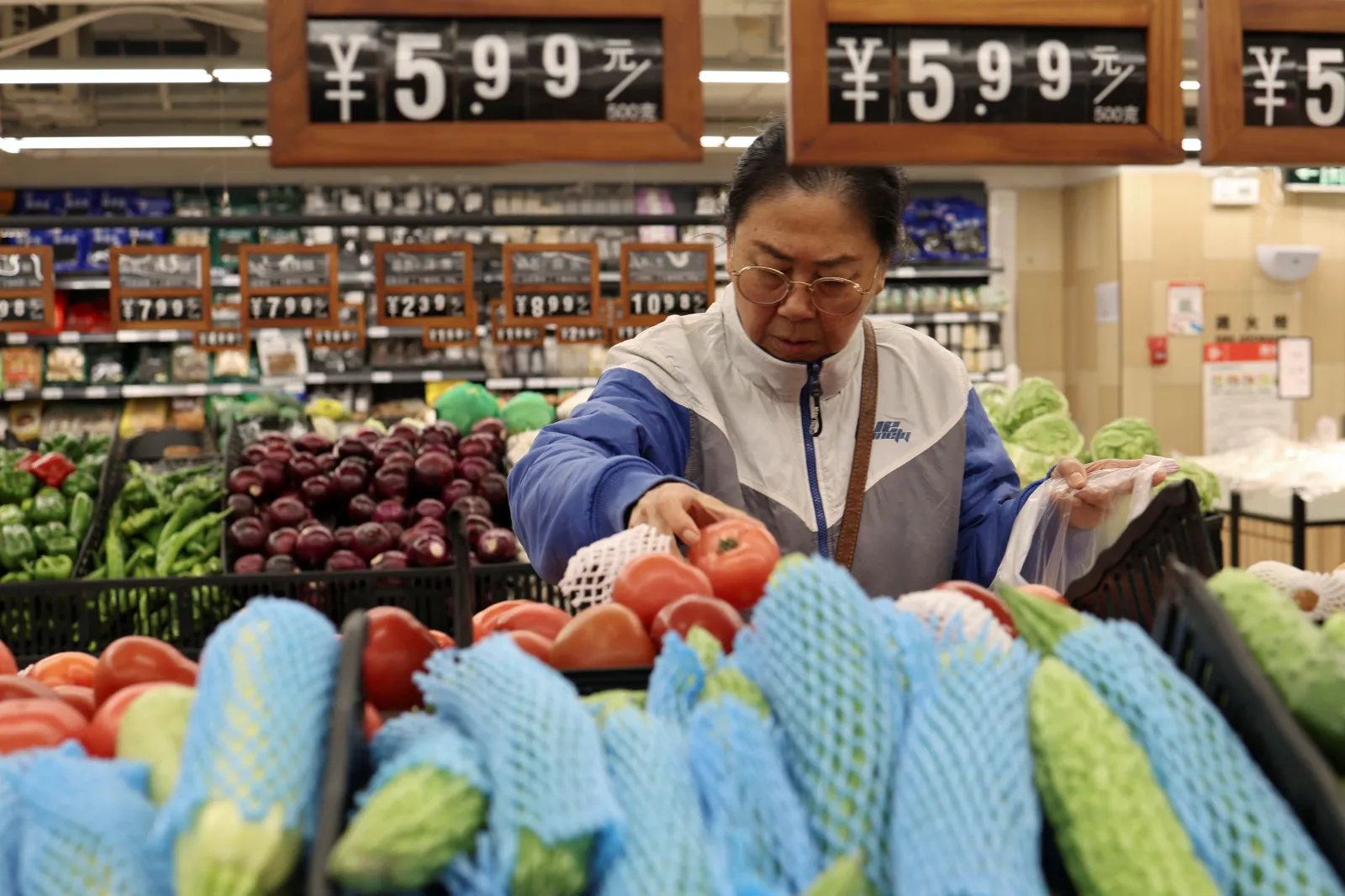
China’s agricultural purchasing power has become a central tool in its broader economic and geopolitical strategy, as Beijing works to transform its food vulnerabilities into political leverage. By controlling access to its massive domestic market, China rewards favorable trade partners and retaliates against geopolitical adversaries. To shield itself from Western trade conflicts or potential sanctions, Beijing is actively diversifying its agricultural imports. In addition, scaling back reliance on major Western suppliers, expanding state grain reserves, investing heavily in agricultural biotechnology, and building alternative trade networks across developing economies.
However, China’s drive for self-sufficiency faces significant structural limits. The country continues to rely on Western nations and key regional allies for a substantial portion of its total agricultural imports. Disruptions from climate events and geopolitical conflicts further highlight the difficulty of insulating such a vast domestic demand.
In conclusion, while China can effectively use its massive market size as short-term geopolitical leverage, it cannot completely eliminate its long-term food dependencies. Complete agricultural decoupling from Western markets remains economically impractical. Ultimately, meaning Beijing’s national security goals must ultimately balance against its ongoing need for open and stable global food trade.
Reference
Welsh, C., & Hart, B. (2026, August 11). China’s Hunger Games: How Beijing Turned Its Food Insecurity Into Geopolitical Leverage. Foreign Affairs; Foreign Affairs Magazine. https://www.foreignaffairs.com/china/chinas-hunger-games?check_logged_in=1