
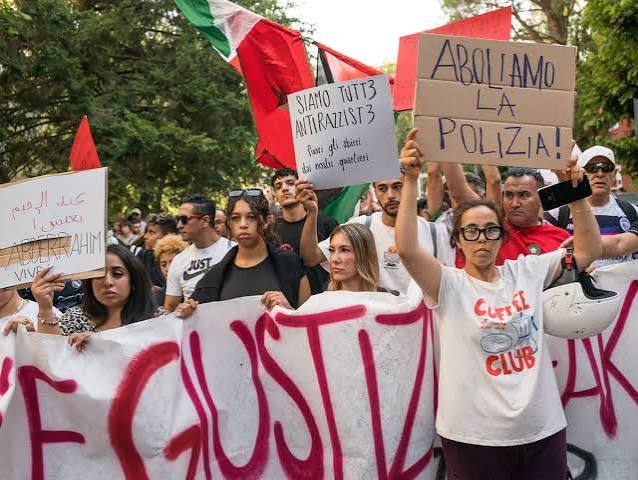
The death of a foreign-born resident while being forcefully restrained by law enforcement has sparked widespread public outcry and intense political debate over legislative protections granted to security forces. The incident marks the first high-profile application of a newly enacted security law. Obviously, designed to shield public officials from criminal prosecution when operating within the line of duty or acting in self-defense. Under these provisions, authorities face heightened procedural thresholds before formal criminal charges or suspect status can be designated during fatal custody investigations.
Critics and legal representatives argue that expanding immunity for law enforcement undermines institutional accountability, potentially enabling official misconduct and creating systemic impunity. Human rights observers further contend that the broader political strategy weaponizes migration and security issues for electoral gain. In short, creating a climate where marginalized communities face increased police pressure while simultaneously being deprived of adequate judicial recourse.
In conclusion, extending legislative shields to law enforcement risks eroding civil liberties and weakening accountability during severe instances of official misconduct. Prioritizing police immunity over judicial oversight deepens social divisions, disproportionately impacting vulnerable populations while compromising public trust in the justice system.
Reference
Giuffrida, A. (2026, August 18). ‘Migration has been weaponised’: Italy’s security law criticised after death of Moroccan man in police restraint. The Guardian; The Guardian. https://www.theguardian.com/world/2026/aug/18/italy-security-law-death-moroccan-man-police-custody-abderrahim-fakir