
Market Reaction and Treasury Response
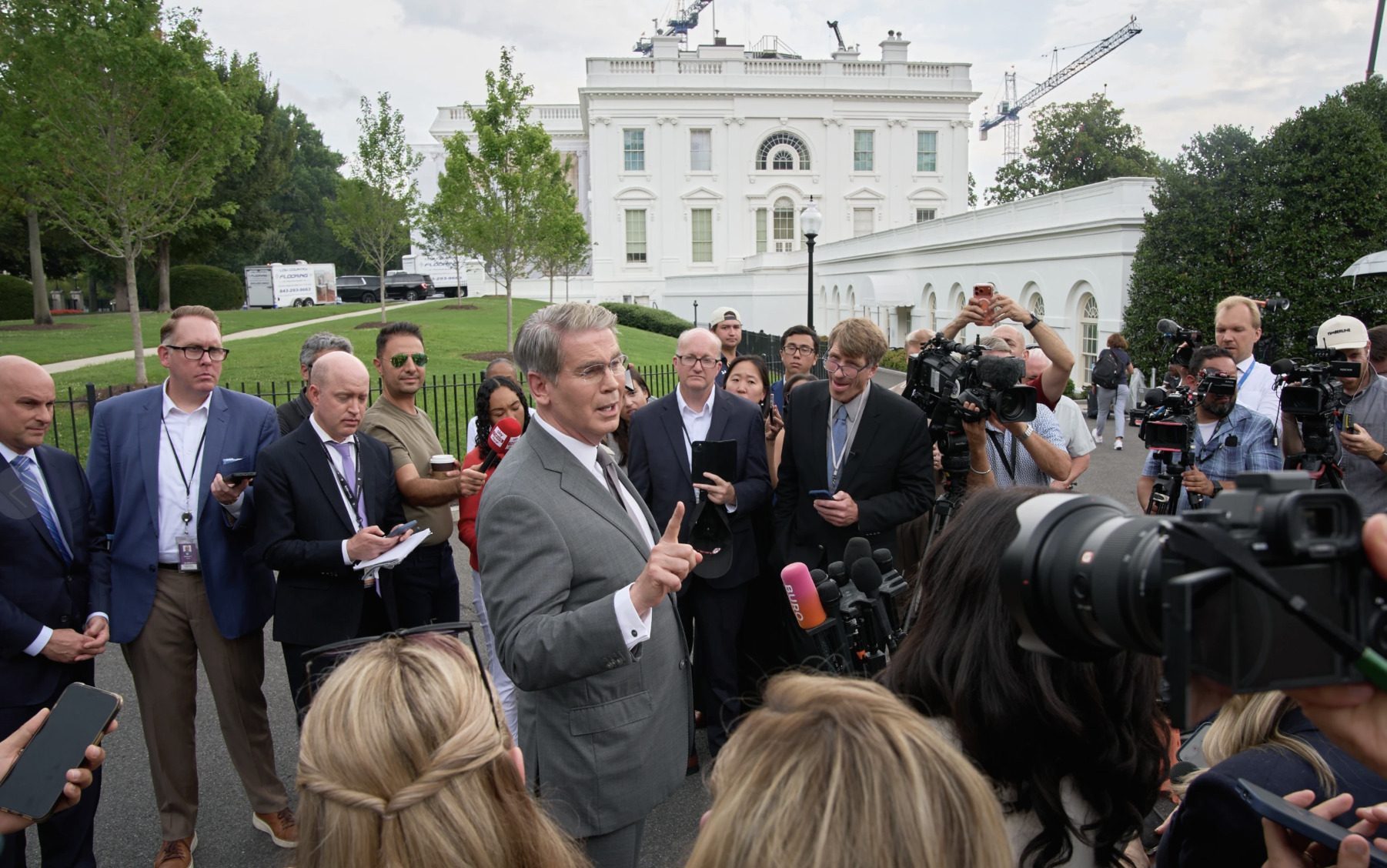
Interest rates rebounded despite Treasury Secretary Scott Bessent’s attempt to reduce long-term borrowing costs. The yield on the 10-year Treasury note returned to 4.69%, almost matching its level before the government announced a larger bond buyback program. Meanwhile, the 30-year yield climbed to 5.23%, only slightly below the 19-year high reached earlier in the week. These increases raised borrowing costs for consumers and businesses, while higher mortgage rates continued to weaken home purchases.
To support bond prices and lower yields, the Treasury plans to double each repurchase operation from $2 billion to $4 billion starting next month. Bessent also said the program could grow beyond that amount and argued that current yields do not reflect economic fundamentals. However, investors remain unconvinced because financial markets, rather than presidential demands for lower Federal Reserve rates, are driving the recent increases.
Deeper Pressures on the Bond Market
Several structural problems continue to outweigh the Treasury’s intervention. Federal debt surpassed $40 trillion, while the Congressional Budget Office estimated that the annual budget deficit would exceed $2 trillion this year. Although Bessent said the administration would announce a new deficit-reduction effort, Gennadiy Goldberg of TD Securities noted that Congress has greater control over lowering the deficit. At the same time, technology companies are issuing large amounts of debt to finance artificial intelligence data centers. This growing supply gives investors more bonds to choose from, reducing prices and pushing yields higher.
Inflation creates another source of uncertainty. Oil prices rose as the war with Iran disrupted expectations about tanker movements through the Persian Gulf, bringing Brent crude close to $94 per barrel compared with about $72 before the conflict. In addition, Federal Reserve Chair Kevin Warsh has not clearly explained whether the central bank will raise rates to contain inflation. The Fed’s preferred measure placed inflation at 3.7% in June, above its 2% goal. Warsh also prefers markets to set rates according to economic conditions, while Bessent’s intervention has led investors to anticipate additional Treasury action.
Finally, the buyback program remains small compared with the overall Treasury market. Macquarie analysts estimate that the government must issue nearly $550 billion in bonds during the quarter to finance its operations. Past interventions in Japan and the United Kingdom also suggest that buybacks may reduce volatility or provide temporary relief, but they do not permanently lower borrowing costs when fiscal, inflation and supply conditions remain unfavorable.
Reference
Rugaber, C., & Choe, S. (2026, 20 agosto). Why Treasury Secretary Bessent’s moves to calm the bond market haven’t worked so far | AP News. AP News. https://apnews.com/article/rates-bond-market-bessent-inflation-c6e148f8235a98245adf04b2d4bdd8d1?user_email=bd2c428b35d2f2d999bc6f7e665bad1355a8dd3247b2afc8121729c30cd9a01a&utm_term=Morning%20Wire%20Subscribers&utm_source=app&utm_medium=android_share&utm_campaign=whatsapp