
Walking Away From the Deal
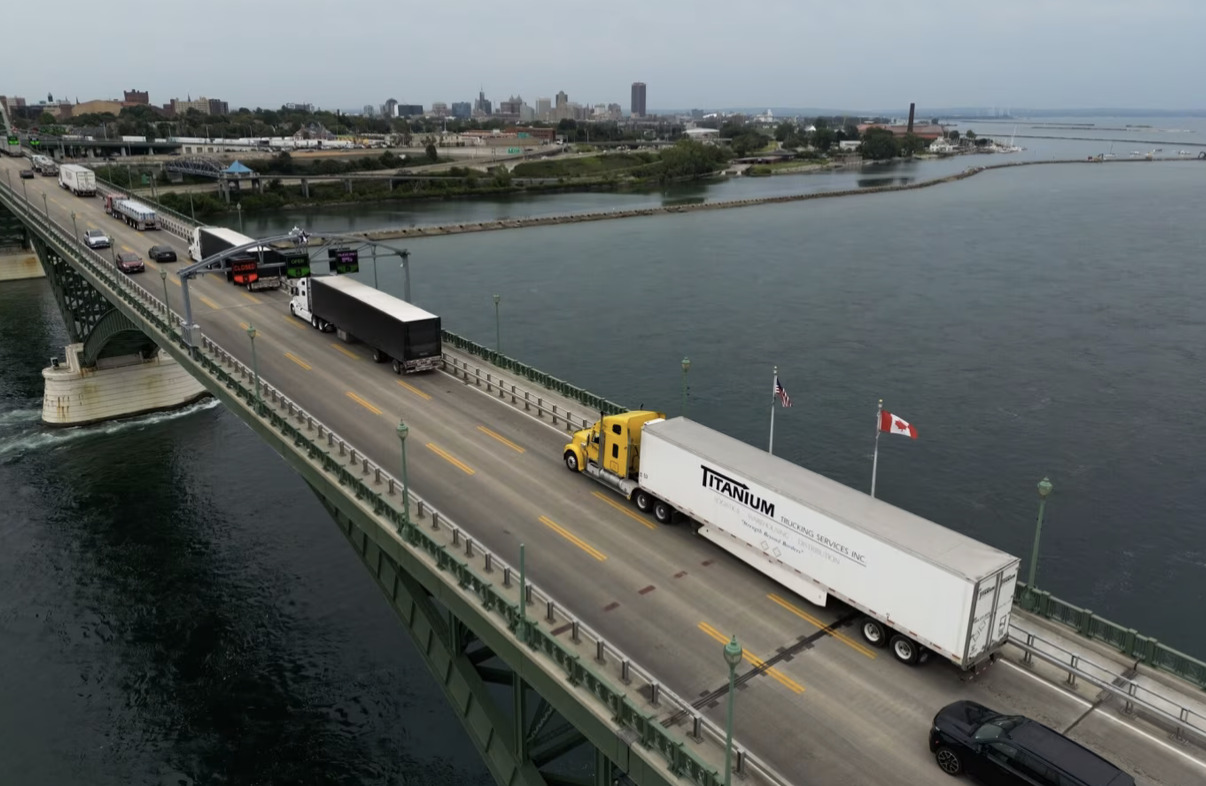
Mark Carney has put his central negotiating principle with the United States into practice: no agreement is preferable to an unfavorable one. After nearly a month of talks, the Canadian prime minister rejected a deal following what he described as unfair last-minute American changes. His decision allowed 50 percent tariffs on $20 billion in Canadian goods to take effect. Carney also announced dollar-for-dollar retaliatory tariffs on U.S. products beginning September 8.
Instead of accepting the proposal, Carney followed a different course from several U.S. allies that reached agreements with President Donald Trump despite criticism that their terms favored Washington. The choice has won broad support in Canada, including from political opponents. However, it also exposes the country to substantial risk because the United States remains its largest trading partner and uncertainty has already weakened business confidence.
Political Support and Economic Risk
Carney’s position reflects widespread anger over the tariffs and Trump’s comments about making Canada the 51st state. More than 75 percent of respondents in an Angus Reid Institute poll said Carney was right to leave the negotiations, although nearly 90 percent worried about the economic consequences. Another poll found that only 18 percent supported making concessions to secure an agreement. Conservative leader Pierre Poilievre and provincial leaders also backed the decision, even as some questioned retaliation and requested more transparency.
Economists expect the new tariffs to have a modest overall effect but a heavier impact on plastics, chemicals, forest products, and machinery. The effective U.S. tariff rate on Canadian goods is projected to rise from about 5 percent to 7.5 percent. Meanwhile, business investment has declined for five consecutive quarters. Among exporters surveyed by the Canadian Federation of Independent Business, 40 percent sold affected products, and nearly 80 percent of that group anticipated revenue losses. Canada’s retaliation could also increase domestic prices.
Why the Proposal Failed
Before negotiations collapsed, the United States had offered to reduce tariffs on Canadian steel and aluminum from 50 percent to 25 percent and lower top-line automobile tariffs from 25 percent to 15 percent. In return, Canada would have removed some retaliatory duties and encouraged provincial premiers to end bans on American alcohol. Business groups and provincial officials warned that the remaining rates were still too high for long-term competitiveness and that accepting them would weaken Canada’s leverage before the coming review of the USMCA.
Ultimately, the dispute tests Carney’s reputation as an experienced crisis manager. Since becoming prime minister, he has sought to reduce Canada’s dependence on the American market by expanding infrastructure and developing other export destinations. His immediate political support is strong, but the durability of that backing will depend on how long Canadians are willing to absorb lost sales, weaker investment, and higher prices while their government maintains a tougher negotiating position.
Reference
Coletta, A., Bade, G., & Vieira, P. (2026, 24 agosto). Canada’s Carney Puts His ‘No Deal Is Better Than a Bad Deal’ Doctrine to the Test. The Wall Street Journal. https://www.wsj.com/world/americas/canadas-carney-puts-his-no-deal-is-better-than-a-bad-deal-doctrine-to-the-test-9d9b5f6e?st=Znhtmd