
Glacier Collapse Devastates Border Communities
A massive torrent of water, mud and debris swept through communities along the Nepal-China border after a glacier collapsed. Police reported more than 360 deaths, while over 1,400 people remained missing across Nepal and Tibet. Hundreds of residents were also displaced throughout the Himalayan region.
Nepal’s Nuwakot district suffered extensive destruction as buildings, vehicles, riverbanks and village streets were buried in mud. Across the border, flooding covered a road and numerous vehicles in Tibet’s Shigatse prefecture. A large lake also formed and continued expanding near the international boundary.
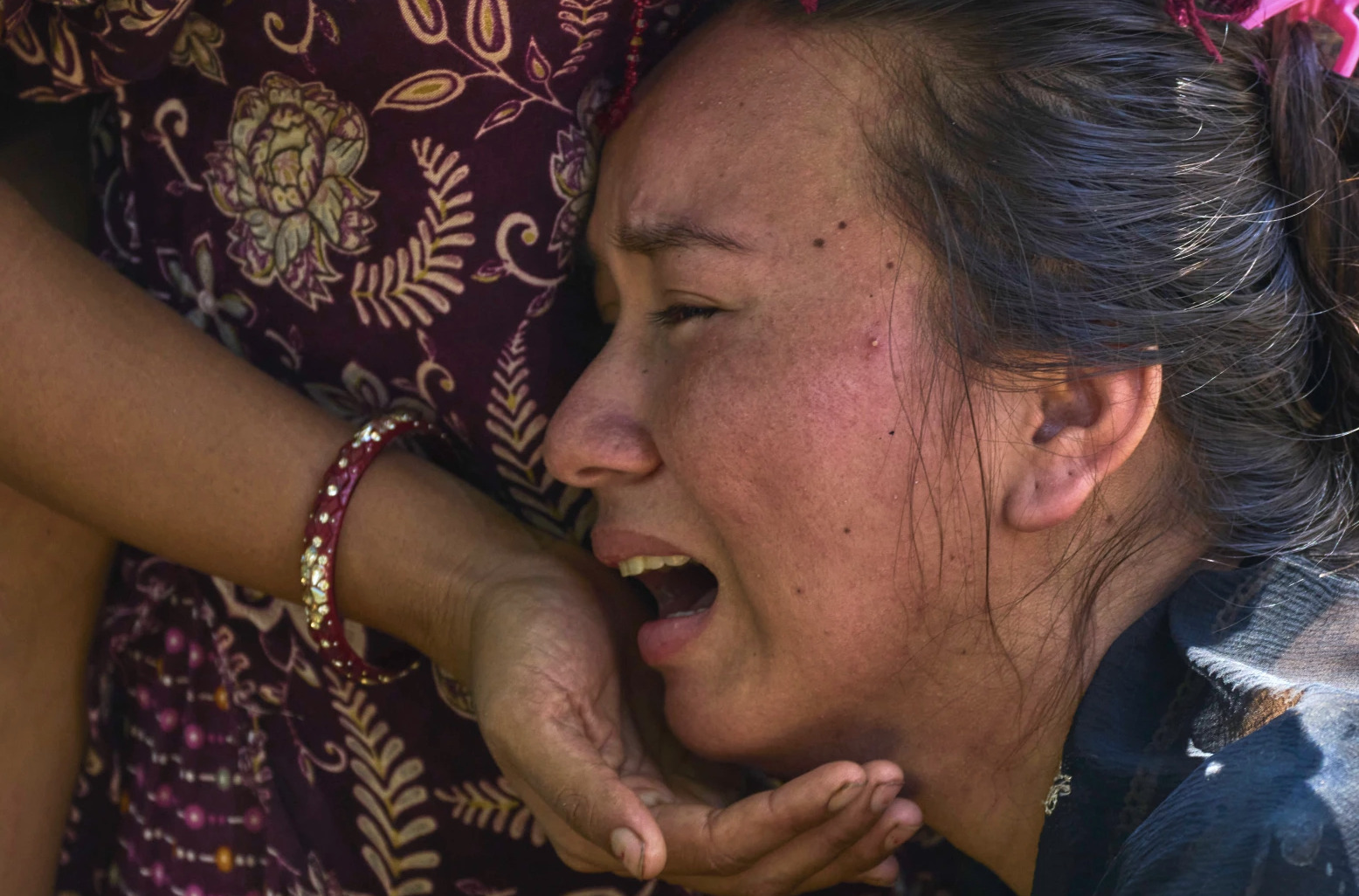
Authorities reported at least 910 people missing in Nepal and another 558 in Tibet. The destruction extended far downstream, where rescuers recovered bodies in Chitwan district. Families gathered near helicopter landing sites and waited for information about relatives who could no longer be reached.
Damaged Infrastructure Complicates Rescue Operations
Because dozens of bridges and nearly 40 kilometers of roads were damaged, helicopters became essential for reaching isolated areas. The Nepalese army rescued more than 100 people by air and evacuated workers trapped near the Trishuli hydropower project. Injured survivors were transported to Kathmandu for treatment.
Meanwhile, Chinese Premier Li Qiang arrived at Gyirong with 500 military and paramilitary personnel to direct rescue work. Teams searched for survivors, assessed the damage and identified possible evacuation routes. Continued rainfall created additional concerns about landslides and secondary collapses.
Another danger emerged from the lake formed near the confluence of two rivers, which authorities warned could burst. The United Nations released $2 million for medical care, shelter and water. At the same time, the Nepal Red Cross shifted from rescue work toward large-scale relief for displaced communities.
Foreign Pilgrims and Climate Risks Expand the Crisis
Among those missing were 517 foreigners from more than 30 countries, according to Nepal’s tourism board. Many may have been traveling to Mount Kailash, a sacred pilgrimage site in Tibet. The missing included citizens of India, the United States, China, Ukraine, the United Kingdom, South Africa and Japan.
Initially, the U.S. Geological Survey reported an earthquake near the border. It later concluded that the seismic signal came from a glacier collapse that sent debris downstream. Experts said an avalanche from the glacier likely caused the flash flood. The Trishuli River then rose by nine meters within half an hour.
More broadly, human-caused climate change is making Himalayan glaciers less stable and increasing the danger of floods and landslides. This instability threatens communities, infrastructure and water supplies across a densely populated region. A similar glacial-lake flood in Tibet killed nine people and damaged critical infrastructure in August 2025.
References
Shrestha, N., & Kafle, S. (2026, 27 agosto). Catastrophic floods kill over 360 in Nepal and Tibet | AP News. AP News. https://apnews.com/article/climate-change-nepal-tibet-glacier-collapse-floods-61b592d428e4631add31ce052d0daf1f?user_email=bd2c428b35d2f2d999bc6f7e665bad1355a8dd3247b2afc8121729c30cd9a01a&utm_term=Morning%20Wire%20Subscribers&utm_source=app&utm_medium=android_share&utm_campaign=whatsapp