
Expected Rate Hike and Political Pressure
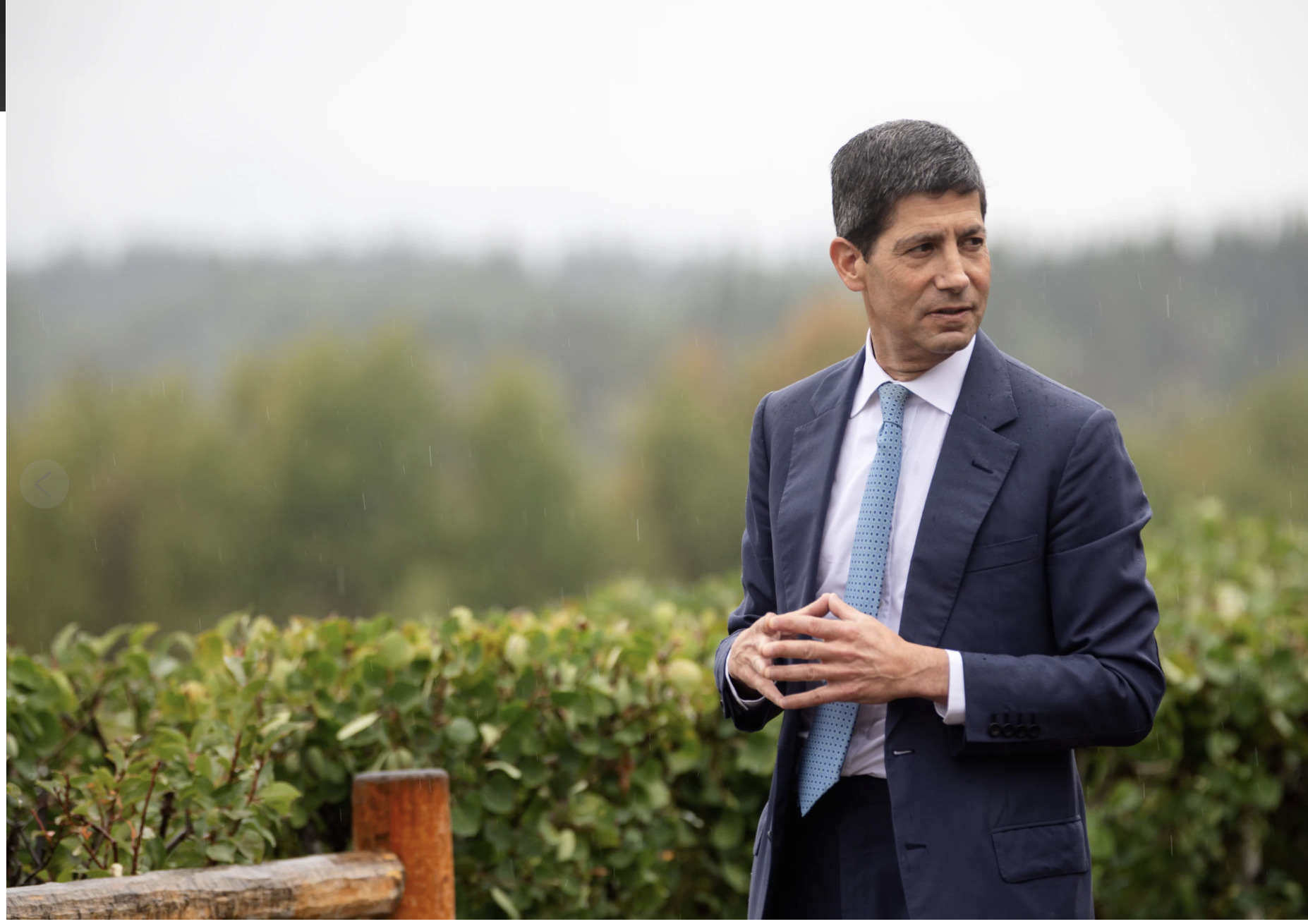
Currently, the Federal Reserve is widely expected to lift its short-term interest rate for the first time in three years to fight stubbornly high inflation. Specifically, this highly anticipated move would put the central bank directly at odds with President Donald Trump’s public demands for a rate cut. Furthermore, most analysts expect a quarter-point increase after Fed Chair Kevin Warsh recently argued that the central bank had not yet achieved its inflation goals. Consequently, Trump’s economic adviser Kevin Hassett warned that an independent Fed should avoid hiking rates so close to the upcoming midterm elections. Ultimately, financial markets expect Warsh to brush off these political warnings, with futures prices now indicating a 90 percent chance of a hike.
Inflation Drivers and Market Credibility
Meanwhile, surging corporate investment in AI data centers has actively accelerated inflation and contributed to higher longer-term interest rates. In addition, the flaring war in Iran has caused sharp increases in oil and gas prices, keeping inflation significantly above the Fed’s 2 percent target. For instance, MIT economist Kristin Forbes warned that consumers and companies remain highly sensitive to price hikes, making persistent inflation a much greater economic risk. Therefore, economists strongly argue that Warsh must hike rates now or risk severely undermining his institutional credibility with global financial markets. Indeed, failing to act could cause longer-term interest rates on Treasury bonds to spike, as investors demand higher yields to own bonds when inflation is elevated.
Future Steps and Economic Impact
Moreover, while some committee members believe core inflation will eventually fade, Warsh maintains that underlying economic trends have not meaningfully improved. Ironically, by firmly boosting the Fed’s credibility, a rate hike could actually hold down the longer-term interest rates that consumers pay for mortgages and auto loans. However, if the central bank does increase its rate, Warsh will face pressing questions regarding how many additional hikes will be implemented. As a result, economists note it is exceedingly rare for the Fed to lift its key rate just once, suggesting that a broader tightening cycle is necessary. Ultimately, Wall Street traders already anticipate three distinct rate hikes in September, December, and March based on current futures pricing.
Reference
Rugaber, C. (2026, September 15). Federal Reserve expected to raise its benchmark rate, defying Trump. AP News. https://apnews.com/article/federal-reserve-kevin-warsh-interest-rates-ffd60cca8bb045bb9b1c389f5f1b73af