
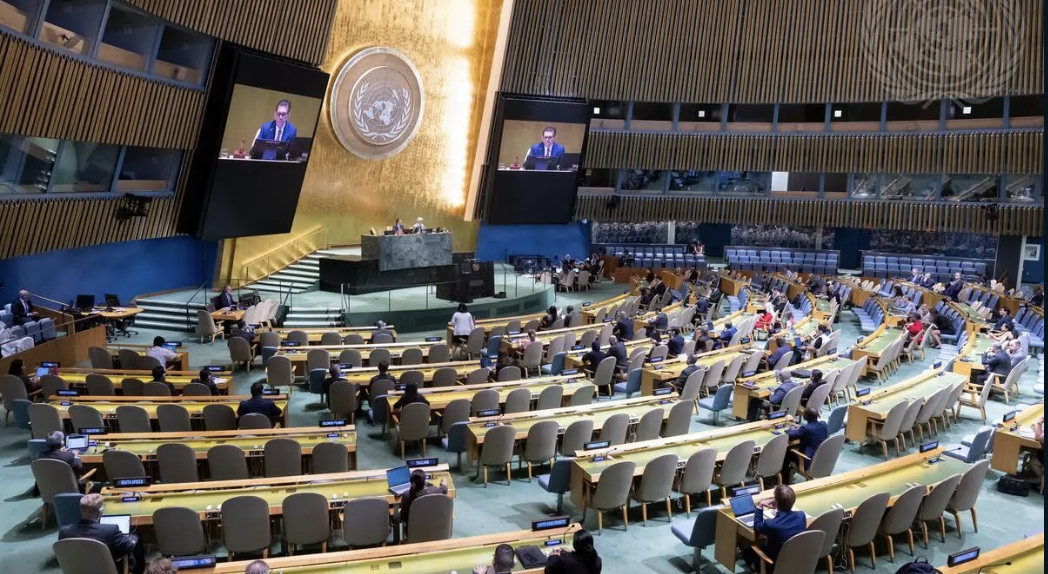
Annual deliberations surrounding the UN General Assembly leaders competition reflect deep political fragmentation within the world body. Over 130 heads of state travel to Turtle Bay for high-level meetings amid persistent financial shortfalls and geopolitical divisions.
Specifically, major world leaders, including Chinese President Xi Jinping, Indian Prime Minister Narendra Modi, and Russian President Vladimir Putin, are skipping the New York gathering. Because key global powers increasingly favor smaller regional groupings like BRICS, international diplomats question the future efficacy of traditional multilateral frameworks. Consequently, policy analysts monitor how member states navigate competing geopolitical priorities.
The upcoming assembly schedule highlights notable shifts in international representation and leadership participation. For this reason, US President Donald Trump’s planned address on September 22 remains a central focal point for attending delegations.
In fact, US Permanent Representative Mike Waltz has pursued a pragmatic approach to UN deal-making despite ongoing public criticisms of organizational costs. Meanwhile, outgoing Secretary-General António Guterres makes his final formal appeal for global solidarity before his term concludes. Therefore, attending diplomats evaluate how bilateral negotiations influence global crisis management.
The diplomatic agenda encompasses urgent discussions on artificial intelligence regulation, pandemic preparedness, and regional security crises. Indeed, international debates focus on whether emerging technology governance should remain with advanced nations or expand through global UN mechanisms.
Furthermore, attention turns to the ongoing Security Council straw polls selecting the next Secretary-General. Leading candidates include Costa Rican official Rebeca Grynspan, IAEA Director Rafael Grossi, and Guyanese Ambassador Carolyn Rodrigues Birkett. As a result, global leaders prepare for complex negotiations to determine the organization’s future direction.
Reference
Just Security. (2026, September 17). As leaders gather at the U.N. General Assembly, competition may outdo cooperation. Just Security. https://www.justsecurity.org/157177/un-general-assembly-competition-cooperation/