
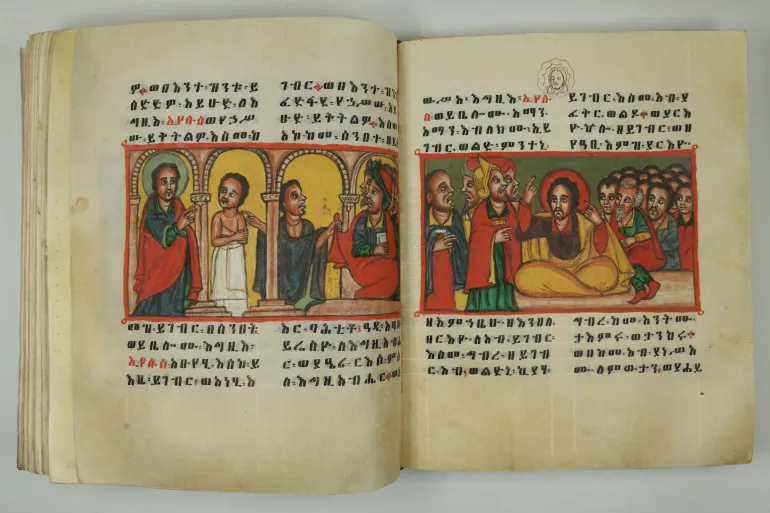
An international dispute erupted after a rare centuries-old religious manuscript looted during nineteenth-century colonial military campaigns appeared at a foreign auction house. Government representatives and cultural heritage advocates demanded the immediate withdrawal of the sacred artifact from commercial sale. The historical text holds immense spiritual, historical, and cultural value for religious communities in its country of origin.
Representatives from the auction house defended the legitimacy of the commercial sale, citing legal ownership frameworks governing private collections. However, international heritage organizations and legal experts emphasized that items acquired through colonial plunder violate modern ethical restitution standards. Legal scholars noted that public pressure has increasingly forced European institutions and auction houses to review the provenance of looted artifacts.
Diplomatic officials formally requested the immediate unconditional return of the sacred artifact to its native country. Cultural ministers highlighted that returning stolen cultural property is essential for preserving historical memory and restoring national heritage. Furthermore, grassroots campaigns are calling for stricter global trade regulations regarding historical artifacts looted during colonial military conflicts.
In conclusion, while auction houses continue to rely on traditional legal frameworks, the diplomatic row over the sacred manuscript underscores growing global pressure to return looted colonial artifacts to their rightful homelands.
Reference
Lawal, S. (2026, September 17). Rare Ethiopian manuscript stolen by British forces triggers restitution row. Al Jazeera. https://www.aljazeera.com/news/2026/9/17/rare-ethiopian-manuscript-stolen-by-british-triggers-restitution-row