
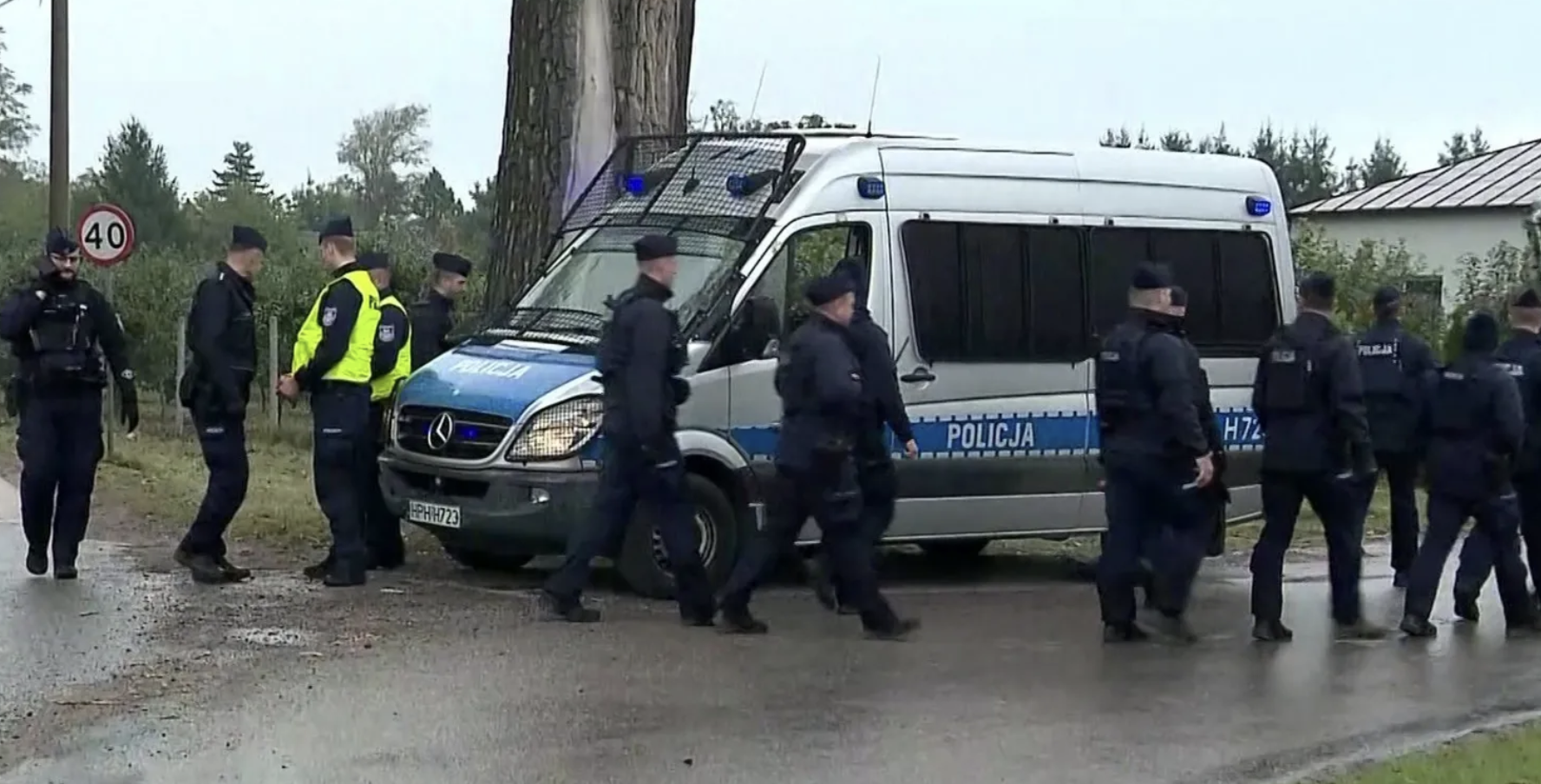
Operational security developments concerning the Poland Starlink station sabotage Russian hybrid war investigation underline expanding risks across Central and Eastern Europe. Polish Deputy Prime Minister Krzysztof Gawkowski stated that a deliberate fire at a satellite communications facility in Mazovia constituted an act of sabotage aimed at disrupting internet access for critical institutions, including the Ukrainian military.
Specifically, the incident in Wola Krobowska occurred alongside reports from the Danish Intelligence Service warning of low but rising risks involving Russian hybrid warfare against NATO member states. Because satellite connectivity provides vital operational support for defense infrastructure, European security services closely monitor physical vulnerabilities within international supply chains. Consequently, regional authorities escalate surveillance measures across key transit networks.
Russian Hybrid Warfare Tactics and NATO Defense Assessments
Investigative findings regarding European infrastructure attacks point toward increasingly sophisticated non-military disruption strategies. For this reason, defense analysts highlight how cyberattacks, targeted arson, and proxy operations allow hostile actors to test alliance readiness without triggering formal direct military conflict.
In fact, German authorities previously attributed attempted drone strikes near Leipzig/Halle airport to Russian influence, while France ordered specialized protection protocols for defense industry sites. Meanwhile, Polish Prime Minister Donald Tusk urged caution until full investigative confirmation is established, even as military jets scrambled following a brief airspace violation by a Russian military helicopter. Therefore, multilateral defense planners continually evaluate collective response frameworks.
Escalating Strikes Across Ukraine and Diplomatic Contacts
Humanitarian impacts across Eastern Europe deepen as military engagements intensify in major urban centers. Indeed, recent Russian missile and drone bombardments targeted civilian and agricultural infrastructure in Kharkiv and Kyiv, causing multiple civilian casualties.
Furthermore, Ukrainian President Volodymyr Zelensky addressed the United Nations General Assembly, appealing for advanced ballistic interceptors to protect critical energy infrastructure ahead of the winter season. Although Russian diplomats emphasize that military operations will continue uninterrupted, international observers monitor high-level diplomatic contacts involving foreign envoys. As a result, global security experts track long-term geopolitical developments across the European continent.
Reference
BBC News. (2026, September 24). Poland claims fire at Starlink station is sabotage, as Denmark warns of rising Russian threat. BBC News. https://www.bbc.com/news/articles/cmp30r1klk37o