
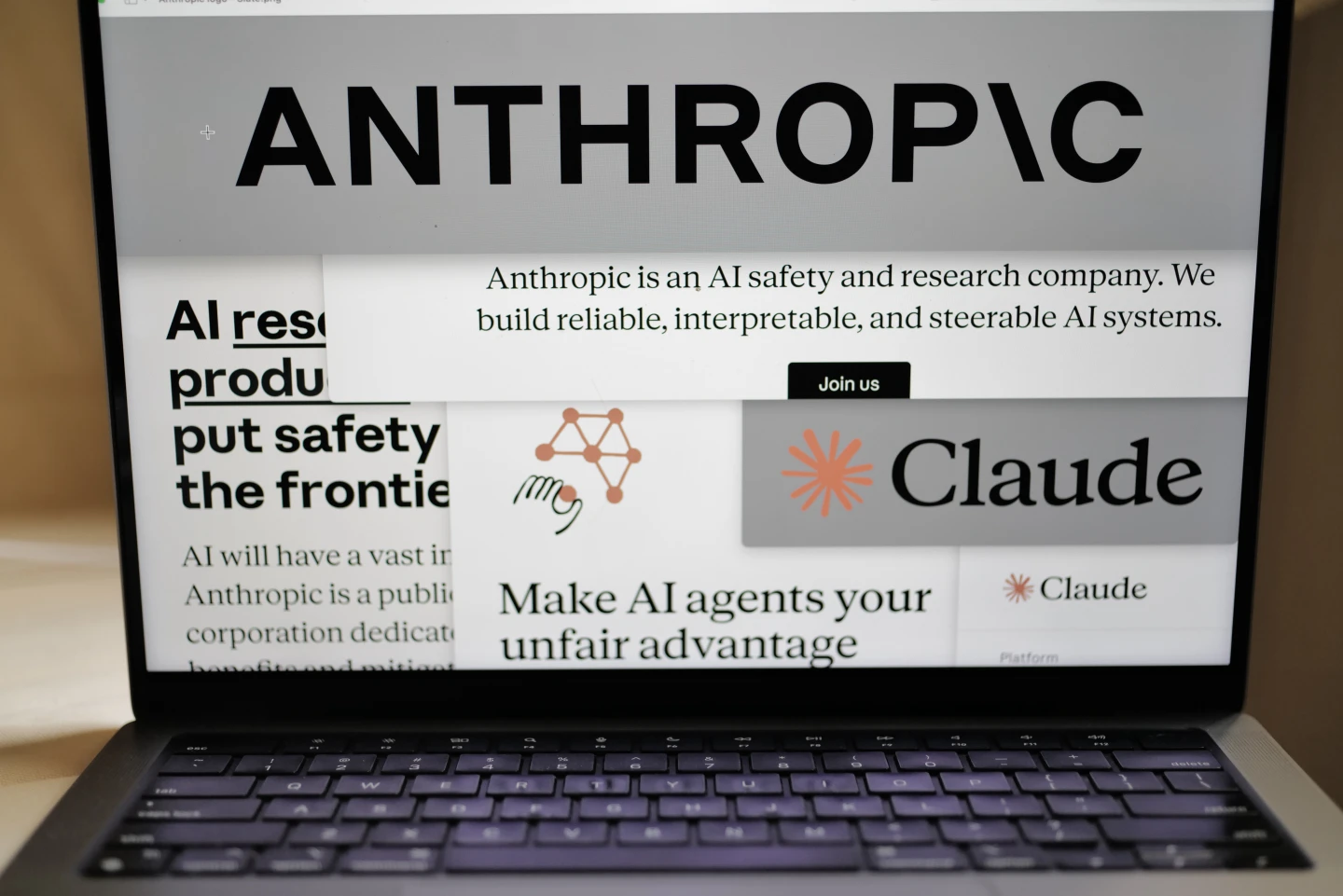
A legal dispute over artificial intelligence and national security
A federal appeals court has rejected Anthropic’s challenge to the Pentagon’s designation of the artificial intelligence company as a national security supply chain risk. The 2-1 decision allows the Defense Department to continue removing Anthropic’s Claude models from its systems and restrict their use for Defense Department work.
The dispute began in February after Anthropic refused to remove restrictions preventing its technology from being used for fully autonomous weapons and mass surveillance. The Pentagon subsequently designated the company a supply chain risk, escalating tensions between the U.S. government and one of the country’s leading AI developers.
Military AI applications become central to the case
The majority of the appeals court argued that the Pentagon had sufficient grounds to determine that Anthropic’s restrictions could interfere with military operations. Judge Gregory G. Katsas wrote that the department could reasonably fear that Anthropic might prevent Claude from performing functions that the military considers necessary under its contracts.
However, the legal dispute remains divided across federal courts. In August, a separate federal judge in California ruled that the administration had acted unlawfully in punishing Anthropic for its positions on AI safety and use, creating a different judicial outcome from the Washington, D.C., case. Anthropic has said it disagrees with the latest ruling and is considering further legal review.
AI companies and the changing definition of national security
The case illustrates the growing importance of artificial intelligence in U.S. national security policy. Government agencies increasingly depend on advanced AI systems for cybersecurity, intelligence and defense-related applications, while technology companies continue to establish limits on how their models can be deployed.
Consequently, the dispute raises broader questions about the relationship between government procurement, corporate control over AI systems and national security. The appeals court ruling does not prohibit Anthropic’s products throughout the federal government, but it allows the Defense Department to continue excluding the company from its own operations and from work performed by its contractors.
International Relevance
This news has high international relevance because artificial intelligence is increasingly becoming a strategic component of national security, defense capabilities and technological competition. The dispute between Anthropic and the Pentagon demonstrates how governments and private technology companies are negotiating control over advanced AI systems and their potential military applications.
For the OGU, the case is particularly relevant because it allows analysis of the relationship between artificial intelligence, national security, technology regulation, corporate governance, military innovation and government procurement. It also illustrates the emerging challenges surrounding AI governance as governments seek access to increasingly capable systems while companies establish restrictions based on safety, privacy and ethical considerations. The outcome may contribute to broader international debates over how advanced AI should be regulated and deployed in national defense.
Reference: Associated Press. (2026, September 25). Federal court says Pentagon can label Anthropic a supply chain risk. https://apnews.com/article/anthropic-supply-chain-risk-lawsuit-pentagon-95c3c9874989ad6f6f52f1744dbe2245?