
AI Campaign Ads Often Omit Disclosure
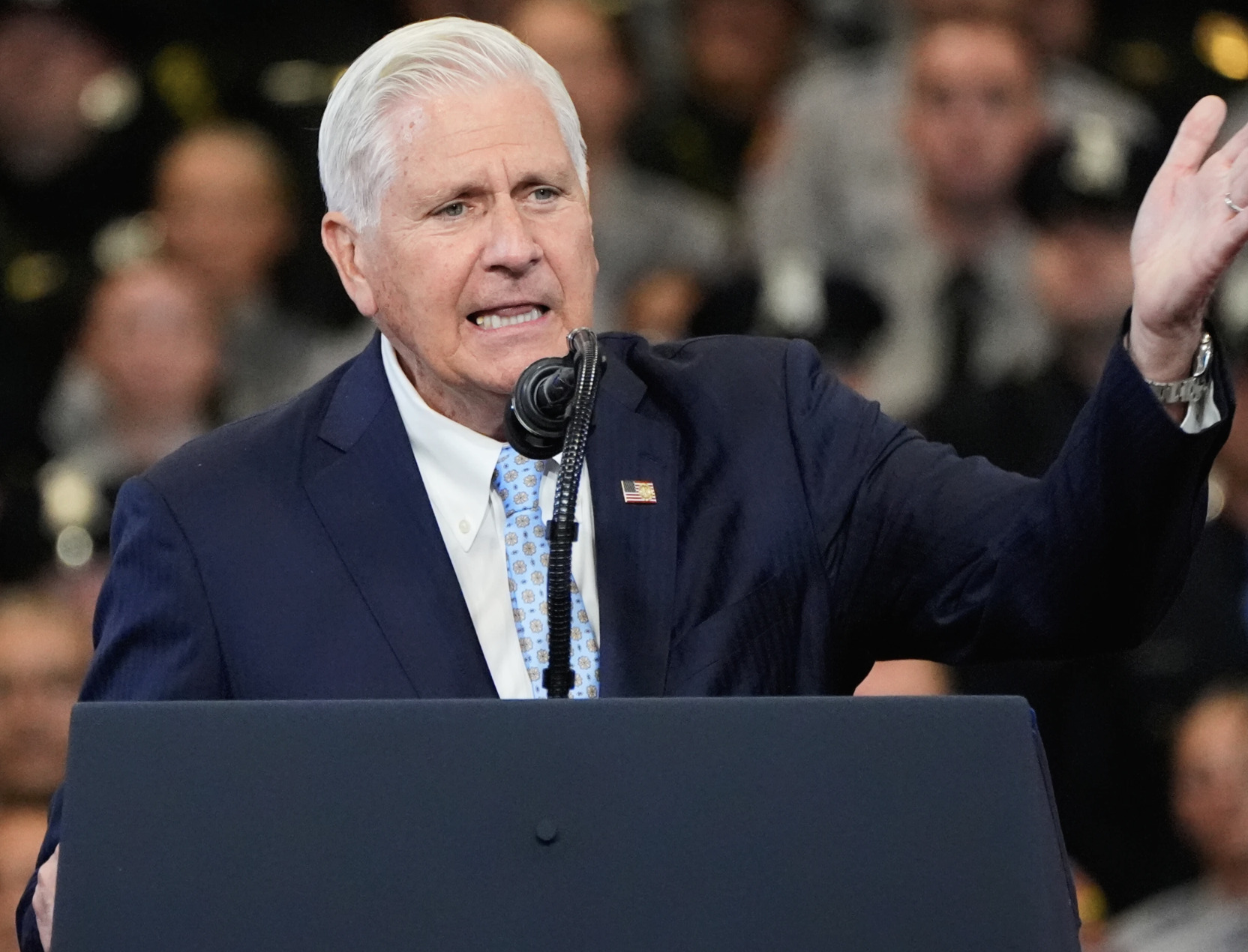
Artificial intelligence has become common in campaign advertising during the 2026 midterm elections, but candidates do not always tell voters when it is used. One advertisement for Republican New York gubernatorial candidate Bruce Blakeman showed AI-generated versions of Mayor Zohran Mamdani and Governor Kathy Hochul having a conversation that portrayed them negatively. The video identified Blakeman’s campaign as its sponsor but never disclosed its use of AI.
New York law requires political communications to identify artificially generated material. The state Democratic Party therefore filed a complaint with the Board of Elections, alleging that Blakeman’s advertisements violated the new rule. His campaign did not immediately comment. The case illustrates how state laws have created different requirements across the country while campaigns continue experimenting with synthetic political content.
Data Reveals Weak and Uneven Compliance
The Wesleyan Media Project identified at least 164 political advertisements generated or enhanced with AI during the current election cycle. Researchers cautioned that the real number is probably higher because AI use can be difficult to confirm. Among the ads they found, 69% did not disclose the technology. Republican candidates or supporting groups sponsored 80%, Democratic sponsors accounted for 11%, and the remaining 9% involved independents or specific issues.
Disclosure was not more common where state regulations existed. Only 29% of AI ads from states with applicable laws included a label, compared with 32% in states without such rules. The findings include important limitations because some laws cover only certain uses, such as candidate deepfakes, and some ads aired before legislation took effect. Still, the figures reflect uncertainty among campaigns, consultants, and advertising firms about both legal requirements and emerging norms.
Regulation Must Address Deception and Satire
AI advertising ranges from realistic attacks to obvious jokes. Michigan Republican Mike Rogers posted a video showing himself performing impossible superhero actions, while a North Carolina campaign labeled exaggerated clips of an opponent as AI-generated. Experts say the technology can lower production costs and help campaigns communicate, but it can also spread misinformation, reduce authenticity, and leave voters feeling deceived.
Labels may improve accountability, yet research shows they do not solve every problem. A 2024 online experiment found that disclosures reduced trust in candidates and accuracy ratings for their advertisements, while 37% of participants did not remember seeing a label. Specialists also noted that enforcement remains unclear because many state laws are new. They recommended broader campaign transparency, stronger local journalism, and standardized federal rules to give campaigns and voters clearer expectations.
References
Goldin, M. (2026, September 25). AI ads are popular in the 2026 midterms, but state laws haven’t stopped a lack of disclosure. AP News. https://apnews.com/article/artificial-intelligence-campaign-ads-midterms-d375801e10821b3e6ac776ffc77e1f28