
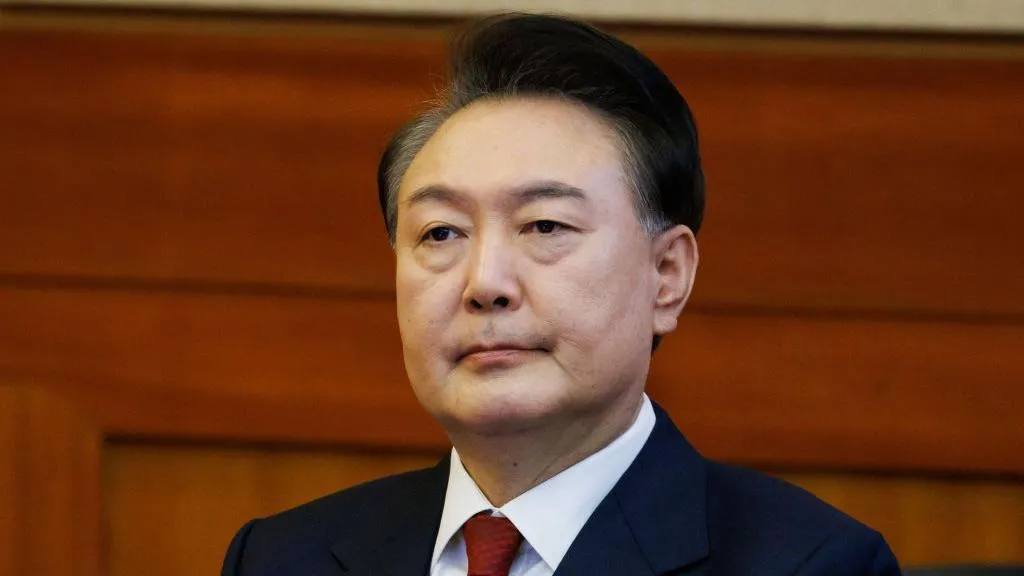
South Korea’s former president Yoon Suk Yeol has been convicted of abuse of power, falsifying documents and obstructing justice over his failed attempt to impose martial law in 2024, and has been sentenced to five years in prison. The ruling comes more than a year after the decree plunged the country into political chaos and deepened divisions. Beyond this verdict, Yoon still faces multiple trials on serious charges, including insurrection, election law violations and other alleged abuses of authority.
Obstruction of justice
The court found Yoon guilty of obstructing justice. He did this by evading arrest, abusing his power by declaring martial law without properly convening the cabinet, and falsifying official documents. Prosecutors argued that he misused state institutions to conceal wrongdoing and weaken constitutional safeguards. His arrest in early 2025 required an unprecedented operation involving thousands of police officers after Yoon deployed security forces to physically block investigators. Legal experts described the episode as emblematic of lawlessness at the highest levels of government, with the conviction seen as an effort to restore accountability.
Inrusrrection
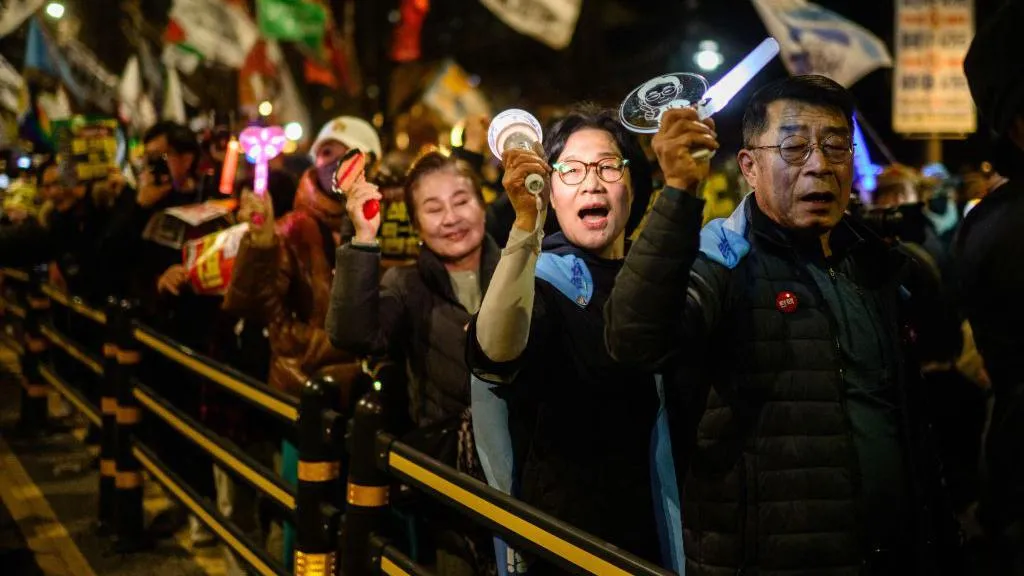
Yoon’s decree and the subsequent legal proceedings have prompted scores, both supporters and opponents, to take to the streets
Yoon is also standing trial on insurrection charges, one of the few crimes for which a sitting South Korean president does not enjoy immunity. Prosecutors allege he violated the constitution by declaring martial law without a national emergency. He deployed troops to prevent lawmakers from overturning the decree, and ordering the arrest of senior political figures. Although Yoon claimed he acted to counter “anti-state” forces, prosecutors say the move was driven by his personal political crisis. They have sought the death penalty, arguing his actions severely damaged national dignity. However, analysts believe a life sentence or eventual pardon is more likely to avoid turning him into a political martyr.
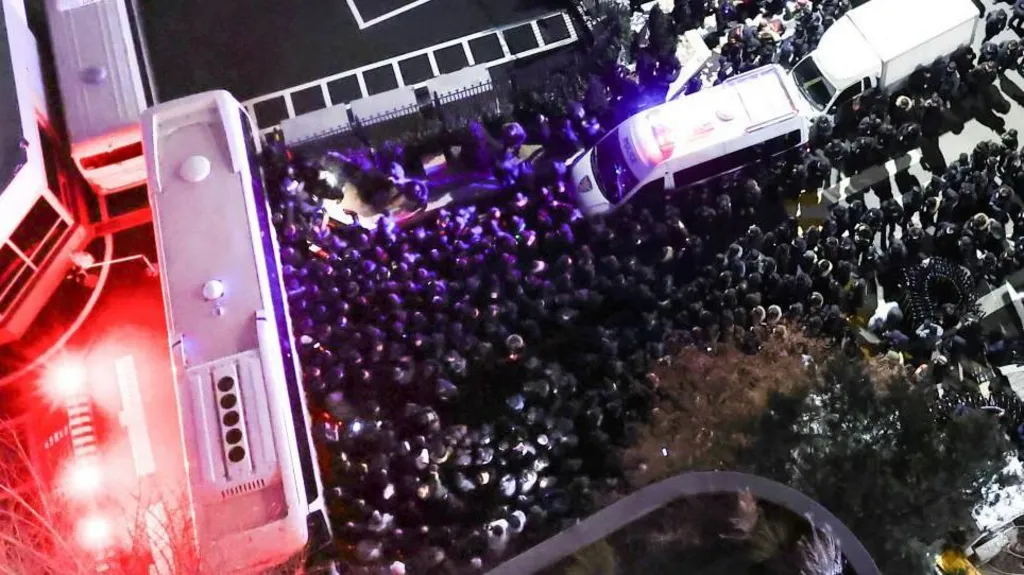
It took some 3,000 police officers to finally arrest Yoon in January last year
Aiding an enemy state
Another ongoing trial focuses on allegations that Yoon attempted to provoke North Korea into military action to justify martial law. Prosecutors point to internal communications and documents suggesting deliberate efforts to create instability, including alleged drone incursions into the North. Former senior military officials close to Yoon face similar charges, and the case will examine whether these actions amounted to aiding an enemy state.
Other charges
Yoon also faces accusations of perjury related to testimony he gave during a separate insurrection-related trial. As well as charges connected to obstructing an investigation into a marine officer’s death and interfering in the 2022 presidential election. Together, the cases portray a former leader entangled in a wide-ranging legal reckoning that could shape South Korea’s political landscape for years to come
Reference
Choi, L. (2026, January 16). South Korea’s impeached president found guilty in first of four trials: What you need to know. BBC. https://www.bbc.com/news/articles/cy9y039ygdro