
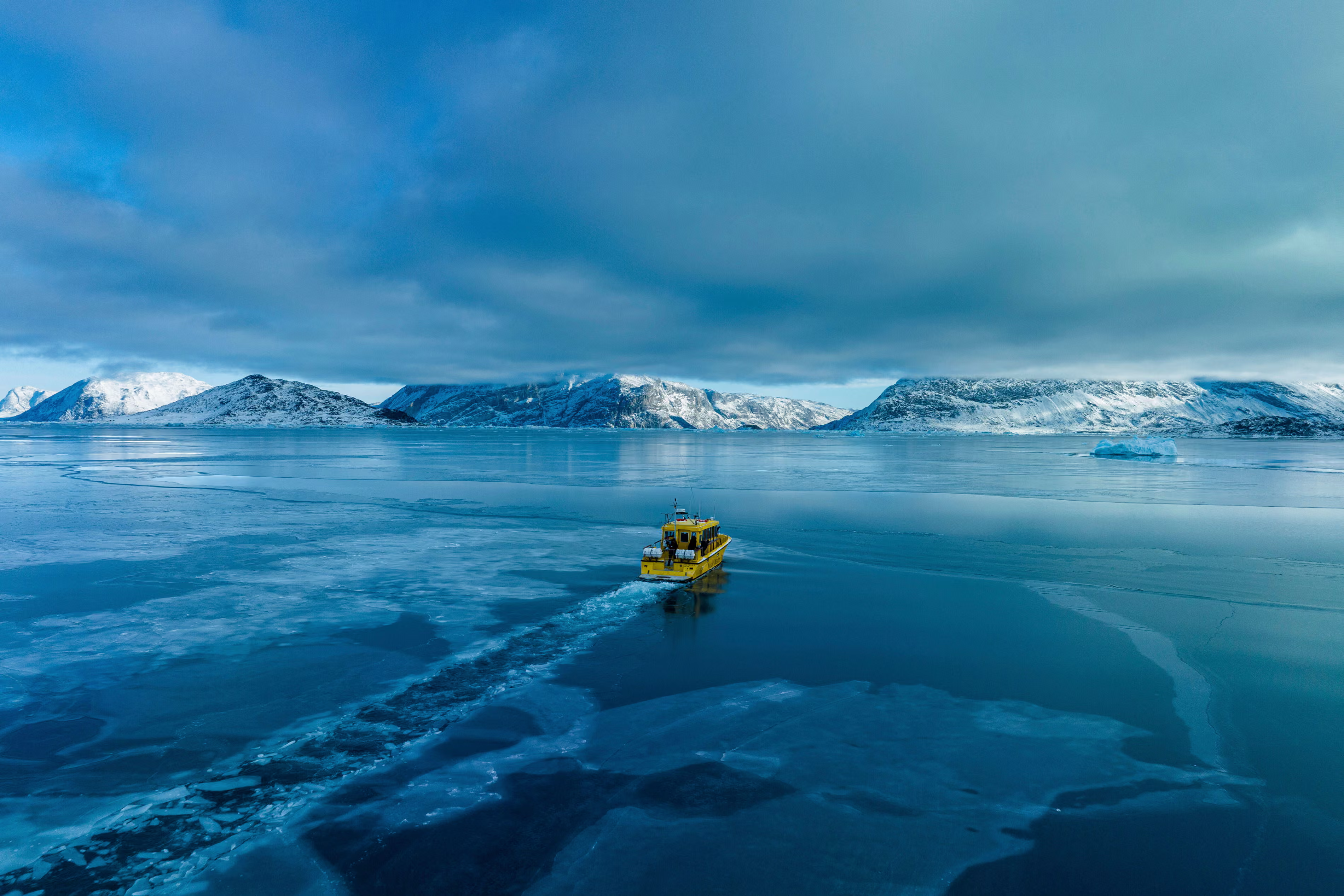
Greenland’s strategic importance is rapidly increasing as climate change reshapes the Arctic. Now, the vast island is between the US and Russia into a geopolitical hotspot. Donald Trump’s renewed talk of acquiring Greenland from Denmark—by purchase or even force—has highlighted how melting ice, emerging shipping routes and access to natural resources are elevating the region’s global significance.
Sea ice is melting

Arctic sea ice has shrunk dramatically over recent decades. Over the past five years, average sea ice coverage has fallen to about 4.6 million square kilometres. A 27% decline compared with levels recorded between 1981 and 2010. The loss, roughly equivalent to the size of Libya, means summer ice no longer reaches the Russian and Canadian coasts. With no landmass at the North Pole, vast stretches of ocean that were once permanently frozen are now increasingly exposed.
Artic shipping routes are becoming more viable
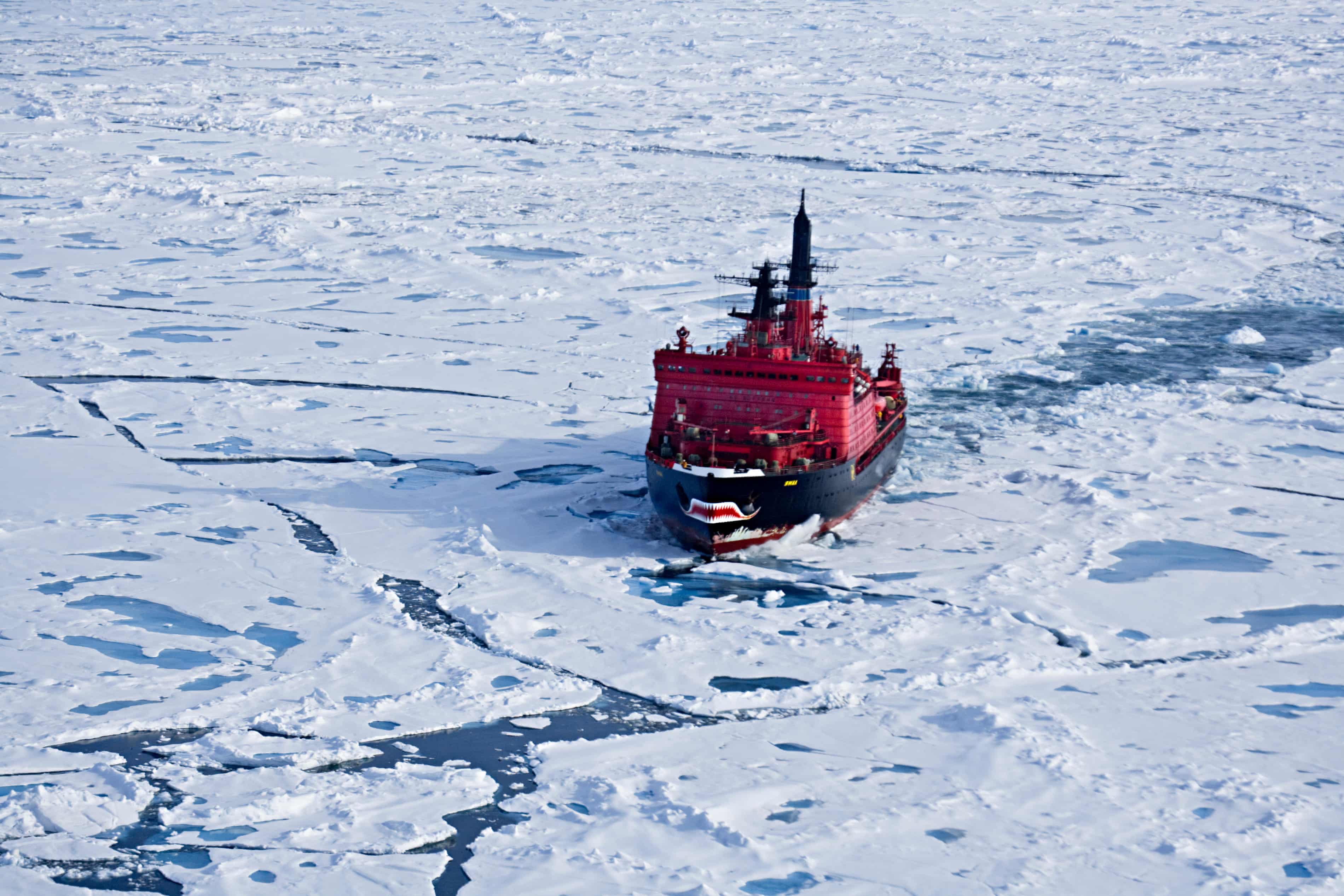
The Russian nuclear icebreaker Yamal breaking through sea ice in the Arctic. Photograph: Sue Flood/Alamy
The retreat of sea ice is opening new maritime corridors that could transform global trade. Routes such as Russia’s northern, Canada’s north-west passage and even a future central Arctic route across the North Pole are becoming navigable for longer periods. These lanes offer alternatives to traditional chokepoints like the Suez Canal and can significantly shorten journeys between Europe and Asia. Traffic has surged in recent years, though experts caution that unpredictable ice conditions and high risks still limit full commercial reliability.


e: Marine Exchange of Alaska. Bering strait is the passage between Russia and Alaska
Centre for High North Logistics. Note: *Distance based on actual journey travelled. Measurements for the vessel’s Southern journey from China were calculated up to just past the port of Felixstowe. Transit time excludes port stays
Rising tensions arount the Artic
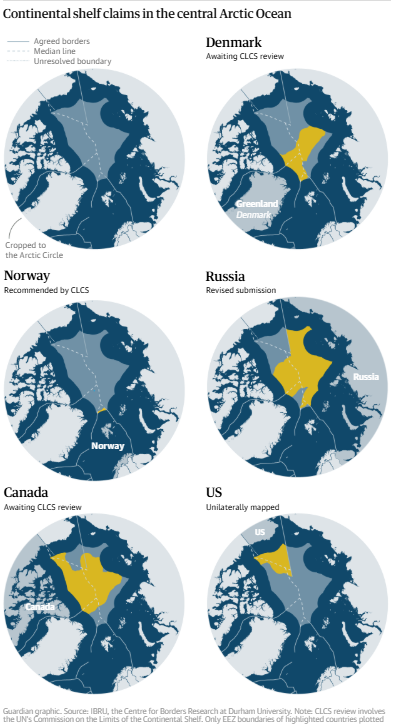
As access improves, competition among Arctic and near-Arctic powers has intensified. The US, Russia, Canada, Denmark and Norway all assert territorial claims, while China has declared itself a “near-Arctic state” to expand its influence. Military activity has increased, with Russia rebuilding bases, Nato strengthening its northern presence and China deploying icebreakers. The expansion of Nato to include Finland and Sweden has further altered the security balance, sharpening Russia’s focus on its Arctic strongholds.

Interest in Greenland’s critical mineral
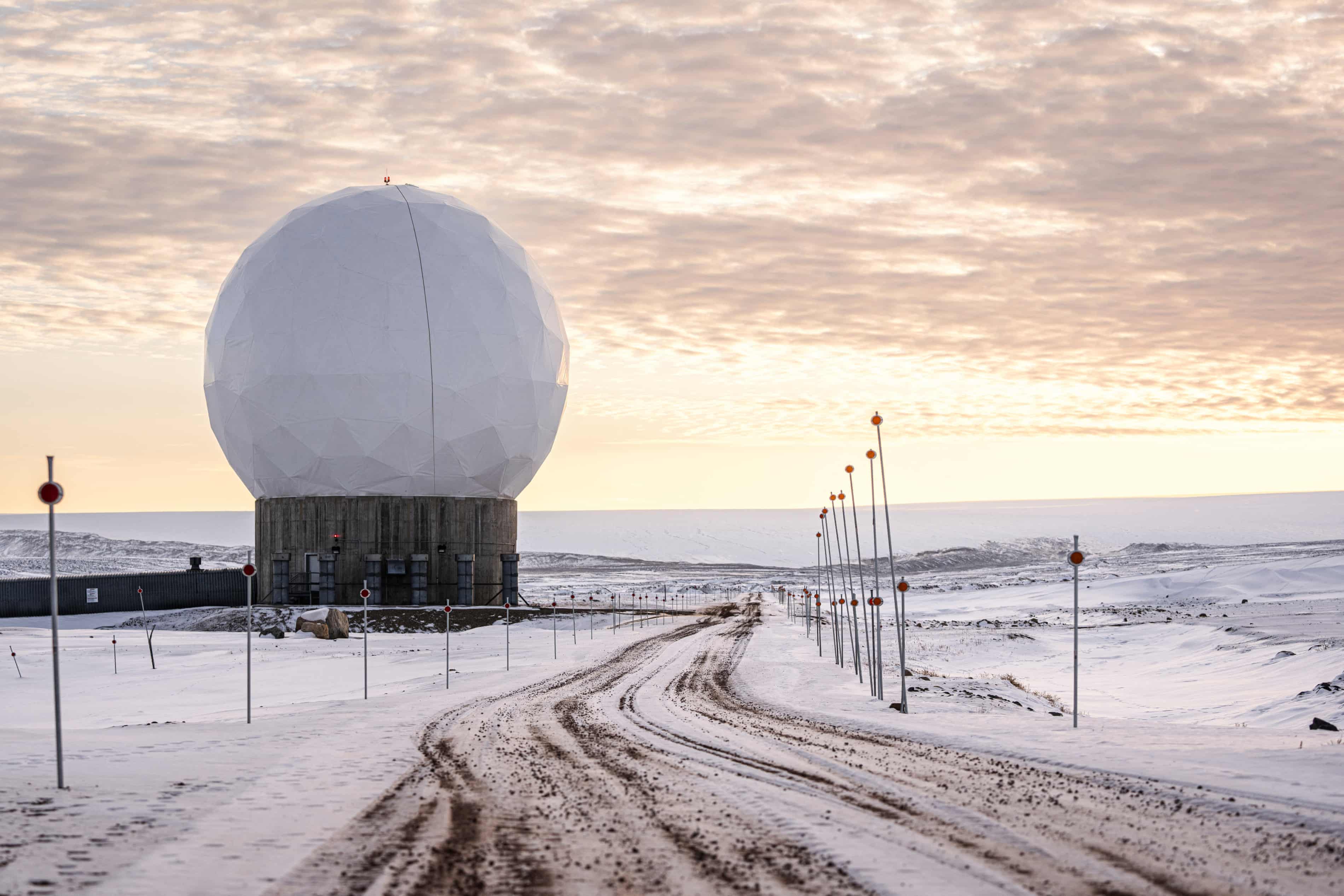
Pituffik space base in northern Greenland. Photograph: Thomas Traasdahl/Ritzau Scanpix/AFP/Getty Images
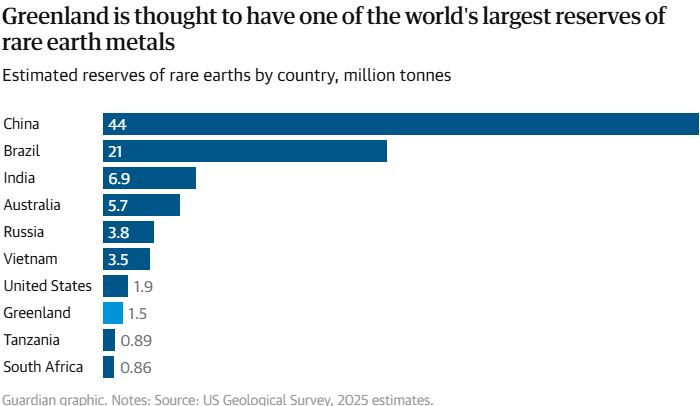
Greenland is also emerging as a key player in the global race for critical minerals, particularly rare earth elements essential for modern technologies. The island holds some of the world’s largest known reserves, though mining has so far been limited by ice cover and inaccessibility. As glaciers retreat, previously unreachable deposits are becoming more viable, drawing foreign interest, especially from China, and adding to Greenland’s rising geopolitical and economic importance.
Reference
Kirk, A., Swan, L., Symons, H., Holmes, O., & Ahmedzade, T. (2026, January 16). Greenland: new shipping routes, hidden minerals – and a frontline between the US and Russia? The Guardian. https://www.theguardian.com/world/2026/jan/15/greenland-new-shipping-routes-hidden-minerals-and-a-frontline-between-the-us-and-russia?CMP=Share_AndroidApp_Other