
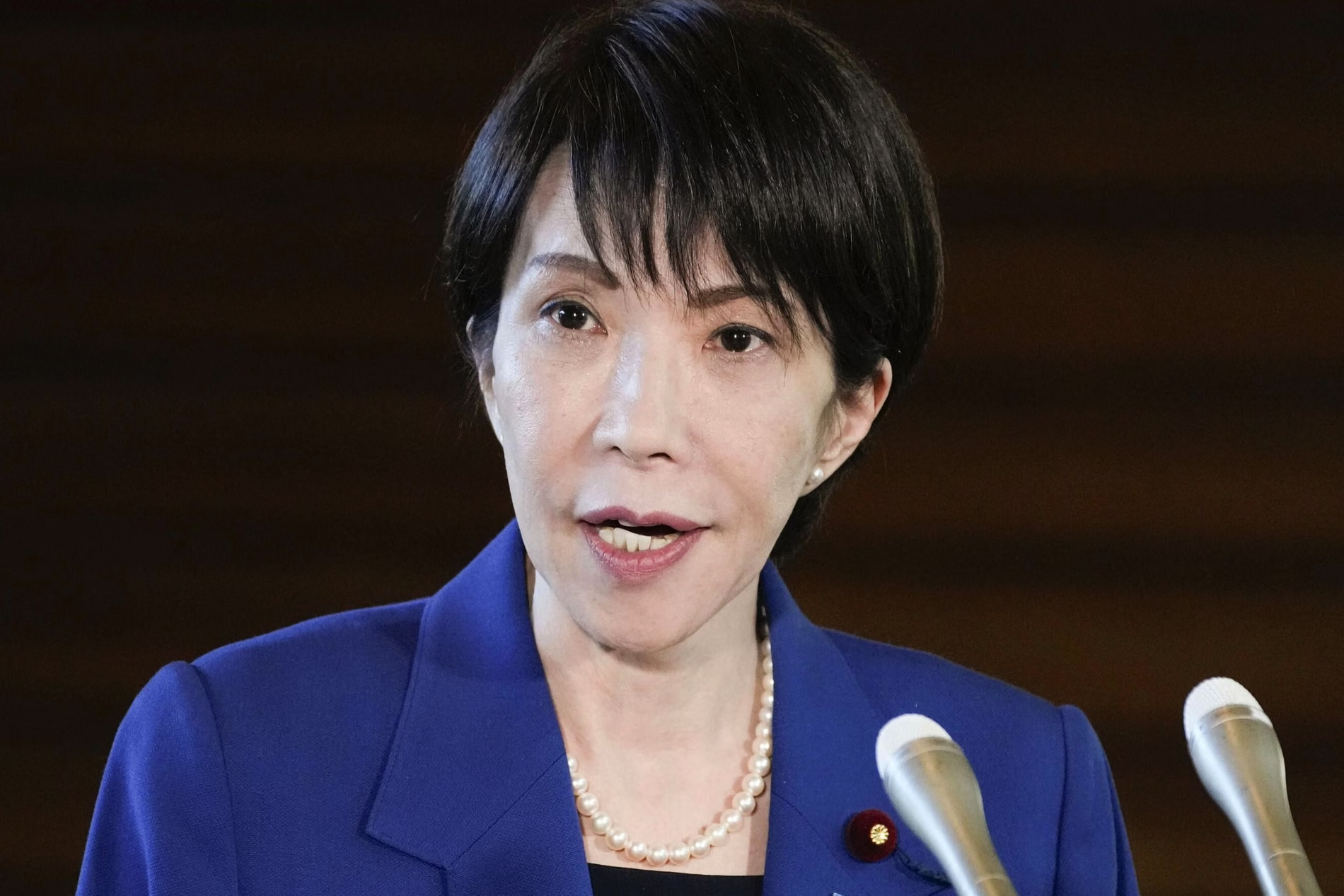
Japan’s Prime Minister Sanae Takaichi has called a snap general election. She’s betting that her strong approval ratings will translate into a public mandate to continue leading the country just three months after becoming its first female leader. She announced the dissolution of the lower house for 23 January, with elections scheduled for 8 February. Framing the vote as a direct test of whether voters believe she is fit to govern.
The early election comes well ahead of the next scheduled poll in 2028. Creating a situation that reflects Takaichi’s confidence that her personal popularity can offset the Liberal Democratic Party’s recent electoral setbacks. The LDP lost its parliamentary majorities in both houses in 2024. This forced Takaichi to rely on a fragile alliance with the populist Japan Innovation Party to form a governmen
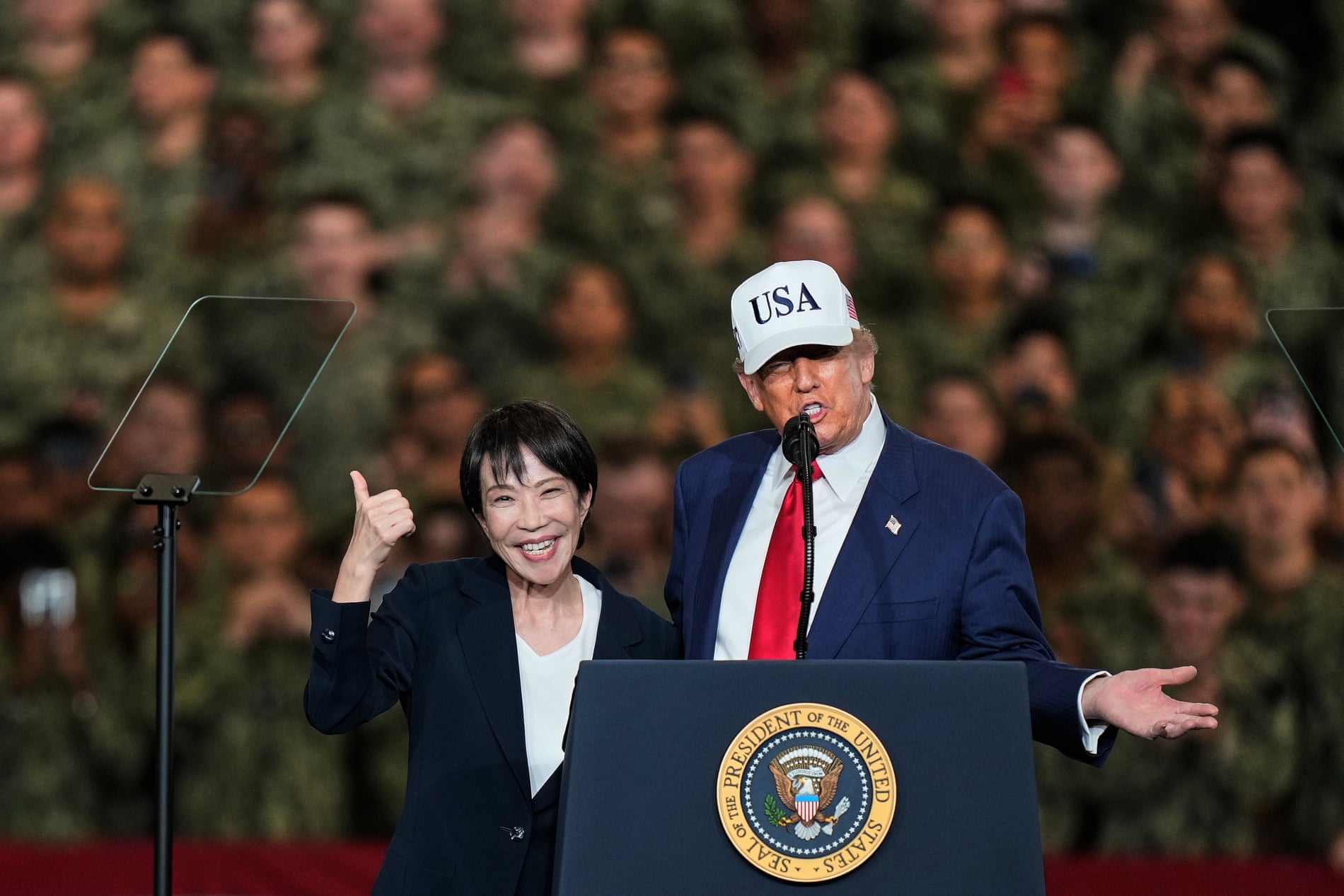
Takaichi with Donald Trump during their visit to the USS George Washington aircraft carrier at a US base in Yokosuka, Japan.
Takaichi’s assertive stance on national security, particularly her comments suggesting Japan could become militarily involved in a Taiwan conflict if its own security were threatened, has strengthened her support at home but sharply strained relations with China. Beijing has responded with travel warnings, cancelled exchanges and restrictions on exports of dual-use items to Japan’s military, developments that risk harming Japan’s export-dependent economy
At home, the government faces mounting pressure over rising living costs and an unresolved political funding scandal within the LDP. Polling shows inflation as voters’ top concern, prompting the coalition to consider suspending the food consumption tax and tightening rules on political fundraising. Takaichi has also pushed for expansionary spending, ordering ministers to secure approval for a supplementary budget and prepare next year’s fiscal plan.
A Gamble

Shoppers in Shibuya district, Tokyo. The coalition is weighing a two-year freeze on the 8% food consumption tax.
The political landscape has become more competitive with the formation of a new centrist opposition party. It was created through a merger of the Constitutional Democratic Party of Japan and Komeito, which aims to challenge the government’s narrow majority.
Takaichi’s move to call a snap election signals her desire to secure her first direct mandate as prime minister. A step she has hinted at publicly in recent weeks while invoking the legacy of her mentor, the late former prime minister Shinzo Abe.
Reference
McCurry, J. (2026, January 20). Japan’s prime minister calls snap election as approval ratings ride high. The Guardian. https://www.theguardian.com/world/2026/jan/19/japan-snap-election-sanae-takaichi-ldp