

Norway’s royal family is facing one of the most serious challenges to its reputation in decades. A casting shadow over King Harald’s upcoming 89th birthday and raising long-term questions about the future of the monarchy has settled. Two overlapping scandals involving close family members have pushed the normally reserved institution into the public spotlight and triggered a noticeable decline in public support.
At the centre of the turmoil is Marius Borg Høiby. He is the king’s step-grandson, who is currently on trial in Oslo facing 38 charges, including the rape of four women. While Høiby has pleaded not guilty to the most serious allegations of rape and domestic violence, he has admitted partial guilt to charges such as aggravated assault and reckless behaviour, along with lesser offences. Although he is not an official member of the royal family, the severity of the accusations have unsettled the public and dominated national media.
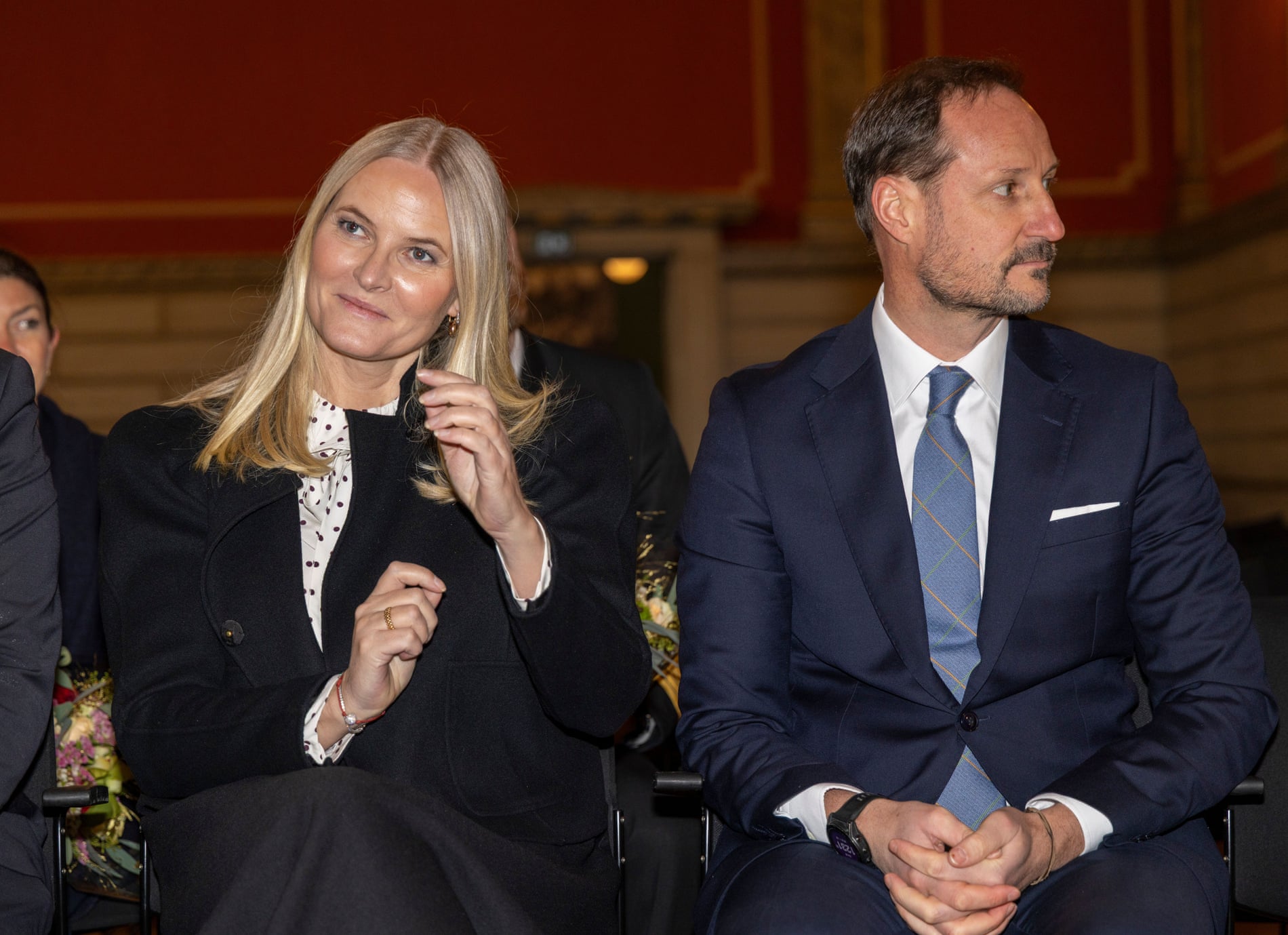
Simultaneously, Crown Princess Mette-Marit has come under heavy criticism following revelations from newly released Epstein files in the United States. These documents suggest a long-standing personal relationship between her and the late sex offender Jeffrey Epstein. The evidence includes email exchanges that have raised questions about her judgement. The disclosures prompted strong reactions across Norwegian society, including rare public criticism from Prime Minister Jonas Gahr Støre, who urged her to provide greater transparency. Mette-Marit has since issued a formal apology, expressing regret for her association with Epstein and acknowledging the damage caused to the royal family.
Public Trust in Decline and Monarchy’s Uncertain Future
The combined impact of these crises has significantly affected public confidence. Recent polls indicate that nearly half of Norwegians now question whether Mette-Marit should become queen when Crown Prince Haakon ascends the throne. This shift is particularly striking given the public sympathy she received earlier after revealing she suffers from pulmonary fibrosis and may require a lung transplant. Some organisations for which she serves as royal patron are now reconsidering their ties to her.
Despite growing republican sentiment among the public, Norway’s political establishment has largely resisted calls for immediate change. A recent parliamentary vote to abolish the monarchy failed decisively, with a strong majority of MPs choosing to retain the institution. Analysts suggest lawmakers are taking a longer-term view, separating enduring constitutional arrangements from short-term scandals.
Ultimately, commentators agree that how the royal family addresses the Epstein revelations and ongoing legal proceedings will be critical. Their response is likely to shape public perceptions of the monarchy for years to come. Determining whether trust can be rebuilt or whether these events mark a lasting turning point in Norway’s relationship with its royal institution.
Reference
Bryant, M. (2026, February 7). ‘Can Mette-Marit be queen after this?’: Rape trial and Epstein files bring double crisis for Norway’s royals. The Guardian. https://www.theguardian.com/world/2026/feb/07/norway-royals-epstein-files-court-case?CMP=Share_AndroidApp_Other