
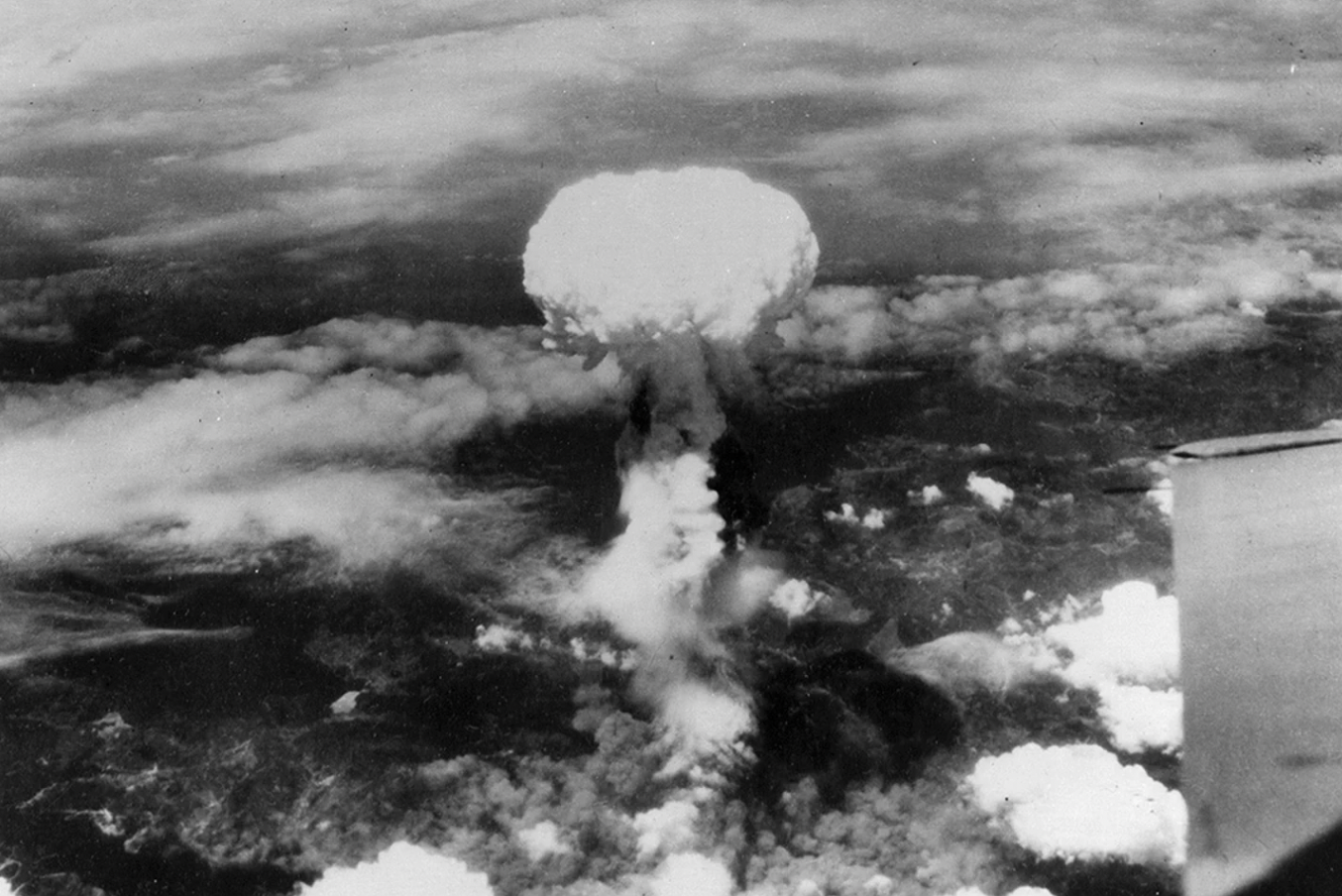
The history of U.S.–Russia nuclear arms control reflects decades of cooperation and rivalry shaped by shifting geopolitical tensions. During the early Cold War, both countries raced to build up large nuclear arsenals, prompting fears of mutual destruction. In response, they eventually began negotiating agreements to limit and reduce strategic weapons, starting with the Strategic Arms Limitation Talks (SALT) in the 1970s, which produced the first major curbs on missile systems.
In the 1980s and early 1990s, leaders from both sides pursued deeper cooperation. The Intermediate-Range Nuclear Forces (INF) Treaty eliminated an entire class of missiles, and the Strategic Arms Reduction Treaty (START I) set firm limits on strategic warheads after the Cold War ended. These agreements helped stabilize relations and reduce the immediate risk of large-scale nuclear confrontation.
Efforts continued into the 21st century, including the New START Treaty signed in 2010, which remains the last remaining major arms control pact between the two powers. It imposes caps on deployed strategic nuclear forces and provides verification measures, creating a framework for transparency and predictability. However, by the mid-2010s, mutual distrust and shifting strategic priorities began to weaken the arms control architecture.
In recent years, key agreements have lapsed or been abandoned, including the INF Treaty, which both sides withdrew from amid accusations of non-compliance. This erosion of longstanding limits has raised concerns among experts about a renewed arms competition without robust mechanisms to manage risks. Despite these setbacks, periodic dialogues and efforts to extend or replace existing treaties suggest that controlling nuclear arsenals remains a pressing international priority.
Reference: Council on Foreign Relations. (n.d.). U.S.–Russia nuclear arms control timeline. Council on Foreign Relations. https://www.cfr.org/timelines/us-russia-nuclear-arms-control