
Context and Urgency
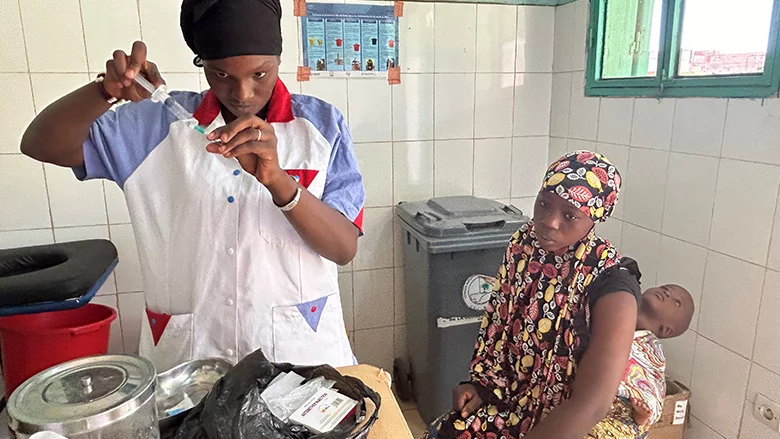
Health and nutrition needs in the Sahel are severe, exacerbated by conflict, weak infrastructure, and limited access to care. Remote clinics often lack staff and supplies, and outbreak disruptions make service delivery especially difficult.
Scope and Focus
Programs supported Mali and Mauritania from 2018 to 2024, prioritizing women’s and children’s health in fragile and conflict-affected communities.
Performance incentives and community outreach drove expanded access and improved quality of essential services.
Expanded Health Services
Over 5 million people gained access to primary health care, exceeding original service goals. Training, better equipment, and strengthened clinics improved overall care standards in targeted regions.
Maternal and Prenatal Progress
Prenatal visit completion in Mali’s conflict zones nearly tripled, while safe births attended by trained personnel exceeded targets in Mauritania. This increased utilization reflects both demand incentives and better health access infrastructure.
Child Health and Nutrition Gains
Children under five received millions of curative consultations in Mali and significant vaccination coverage in Mauritania. Nutrition support reached hundreds of thousands of women and children, helping combat malnutrition.
Improved Accessibility and Financial Support
Free essential services were delivered to hundreds of thousands in Mali and over a million in Mauritania. Cash assistance enabled many vulnerable households to seek care they otherwise could not afford.
Family Planning Advances
Contraceptive use among teenage girls rose substantially in Mali, while modern contraceptive adoption grew dramatically in Mauritania. These results surpassed initial expectations for family planning uptake.
Implementation Approach
Performance-based financing allowed local clinics to hire staff, stock medicines, and maintain equipment.
Elimination of user fees and cash incentives encouraged preventive visits and care use. Community health workers extended services to remote villages, maintaining continuity during conflict and COVID-19.
Partnership Strength and Impact
Global partners supported nutrition supply chains, refugee outreach, and financing, amplifying program reach. Collaborative efforts helped ensure better service quality across fragile areas.
Lessons and Insights
Flexible targets and measurable results helped clinics innovate and keep services running amid crises. Removing cost barriers and improving community trust increased health equity.
Looking Ahead
In Mali, nationwide expansion of performance-linked financing will strengthen emergency readiness and service delivery.
In Mauritania, successors to existing programs will sustain gains and support accountability and access reforms.
Source:
World Bank. (2026, January 26). Strengthening health systems in Sahel’s fragile communities. World Bank. https://www.worldbank.org/en/results/2026/01/23/strengthening-health-systems-in-sahel-fragile-communities