
Critical Undersea Infrastructure and Vulnerabilities
Undersea networks carry nearly all global internet traffic and most military communications. Shallow seas make cables easy targets for anchor damage or deliberate interference.
Recent Baltic Sea Disruption
Late 2025 saw a cable linking Helsinki and Tallinn damaged, prompting a rapid national response. Nearly simultaneous breaks occurred on other connections between Sweden, Estonia and Finland.
Ship Activity and Ambiguous Attribution
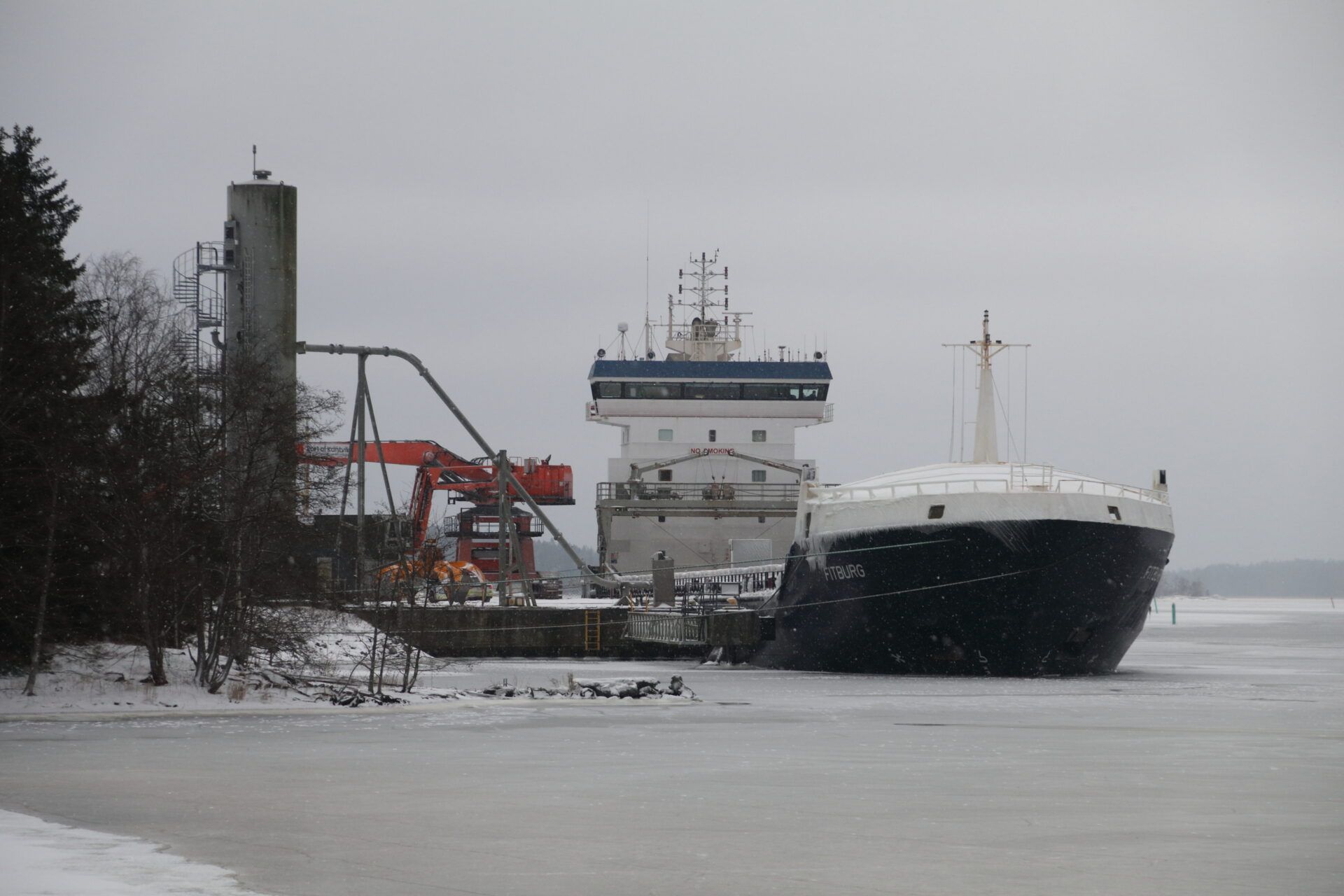
Investigators linked one incident to a cargo ship dragging its anchor on the seabed. Ownership and crew origins of involved vessels complicate clear identification of intent.
Patterns of Incidents Over Time
Major infrastructure harm is not new; incidents recurred in 2022-2025. Several Baltic cables and power lines have been cut or impaired.
Geopolitical Context and Security
Proximity to Russia and global tensions elevate risk perceptions. NATO increased collaborative efforts to monitor and protect undersea assets.
Broader Global Dimensions
Similar disruption affected regions like Taiwan, where isolated cables were severed. Governments worry that state rivals might weaponize seabed networks in future conflicts.
Responses and Strategic Imperatives
Efforts focus on rerouting traffic and speeding repairs to limit impact. Some propose enhanced surveillance, rapid detection technologies, and resilience measures.
Long-Term Concerns
Undersea warfare domains are expanding, with new tools capable of targeting cables. Investments in undersea defense and protection lag behind threats.
Source:
Jones, B. D. (2026, 13 de febrero). Seabed zero: Baltic sabotage and the global risks to undersea infrastructure. Bulletin of the Atomic Scientists. https://thebulletin.org/2026/02/seabed-zero-baltic-sabotage-and-the-global-risks-to-undersea-infrastructure/