
A Protracted Structural Adjustment
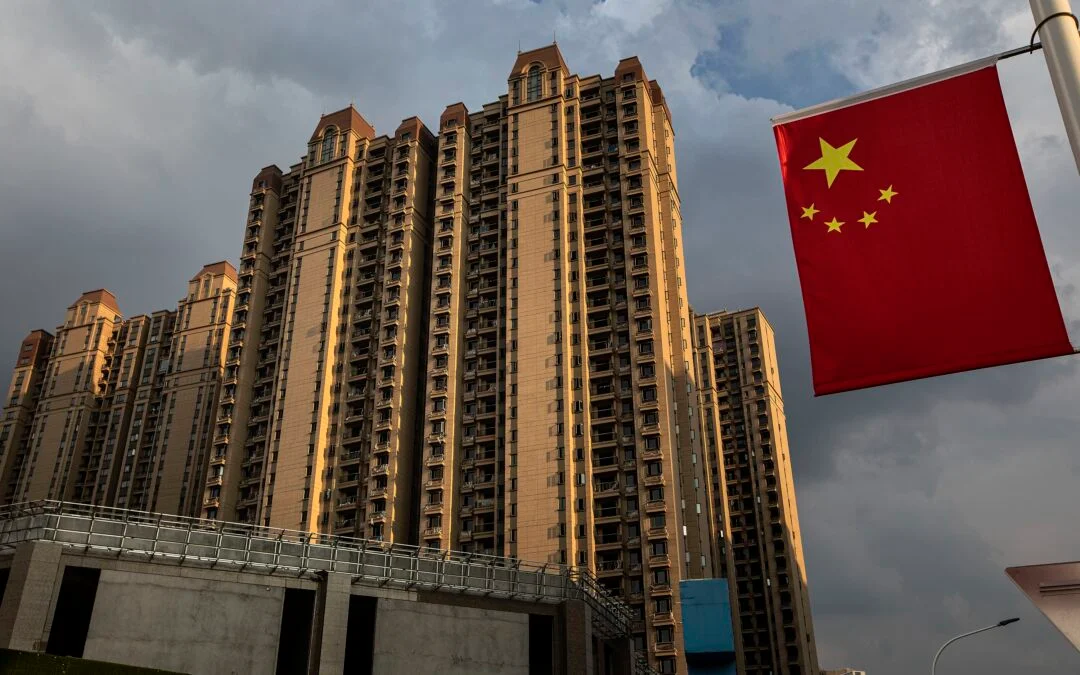
The 2026 Article IV report identifies the ongoing contraction in the property sector, now in its fourth year, as the most significant domestic drag on China’s economy. Despite numerous policy interventions, housing starts and real estate investment remain in deep contraction, with housing investment falling from a peak of 12.3 percent of GDP in 2020 to just 6.1 percent in 2025. Consequently, the IMF emphasizes that a more forceful and comprehensive response is required to restore market stability and prevent a deeper “balance sheet recession” that could stifle domestic demand for years.
Origins and the Confidence Gap
Originally, the crisis was triggered by a regulatory crackdown on developer leverage, which exposed widespread financial distress among private firms—over half of which remain in distress today. This instability has created a profound confidence gap among homebuyers, who are increasingly wary of purchasing pre-sold homes due to fears that developers will be unable to complete them. Furthermore, the inventory of unsold housing remains elevated at approximately 30 months of sales, while government-led initiatives to purchase inventory have so far shown limited traction. This supply-demand imbalance has sustained downward pressure on prices, particularly in oversupplied lower-tier cities.
Structure of the Proposed Rescue Package
The IMF’s recommended strategy is organized around a massive central government intervention, estimated at 5 percent of GDP over several years. Specifically, this funding would be targeted at protecting homebuyers by ensuring the completion of pre-sold unfinished housing projects. Moreover, the report advocates for accelerating the exit of “unviable” developers through market-based restructuring or insolvency frameworks. This structural approach aims to clear the “zombie” elements of the sector while allowing housing prices to adjust more flexibly to market realities, which would help clear the inventory overhang.
Interaction with Local Government Finances
In contrast to a purely sector-specific issue, the property crisis is inextricably linked to the fiscal health of local governments (LGs), which rely heavily on land-related revenues. For instance, as land sales have continued to contract, LGs have faced severe financing constraints, leading to a reemergence of debt stress among Local Government Financing Vehicles (LGFVs). Therefore, the IMF notes that the property downturn has a compounding effect: it reduces household wealth and consumption while simultaneously forcing a fiscal tightening at the local level. This synergy between property and local debt underscores the necessity of a central government-led solution.
Synthesis of Stability and the New Equilibrium
The successful transition of the property sector relies on shifting toward a more sustainable model that prioritizes the operation of existing properties—such as rental and management—rather than new construction. This objective is intended to align the sector with a “new medium-term equilibrium” as China’s urbanization naturally slows. Simultaneously, there is a clear intent to use the 5% GDP rescue package not just as a bailout, but as a mechanism to reflate the economy and rebuild consumer confidence. Ultimately, the IMF concludes that while the fiscal cost of this intervention is high, the cost of inaction—in terms of prolonged deflation and lost growth—would be significantly greater.
Source
International Monetary Fund. (2026, February). People’s Republic of China: 2025 Article IV Consultation-Press Release; Staff Report; and Statement by the Executive Director (IMF Country Report No. 26/44).