
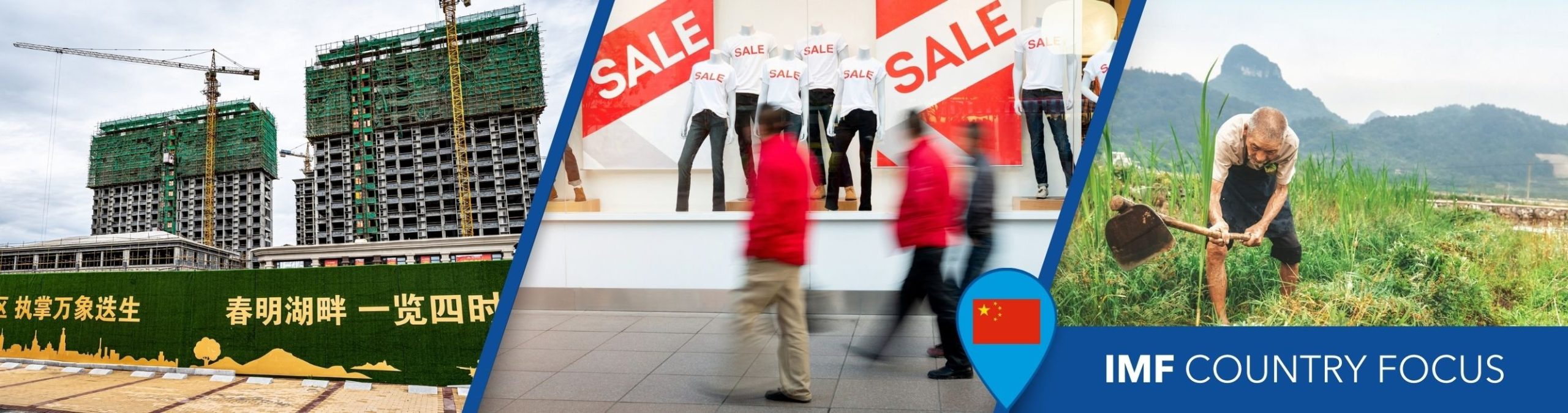
China’s Growth Context
China’s economy showed 5% growth in 2025, reflecting resilience after multiple shocks and strong export performance. However, domestic demand has remained weak, partly due to a prolonged property slump and inadequate social safety nets.
Moreover, weak inflation and falling price indexes have contributed to deflationary pressures, dampening consumer confidence. Consequently, China increasingly relies on external demand rather than sustainable domestic consumption.
Priority: Expand Consumption
Therefore, shifting to a consumption-led growth model should be China’s defining policy priority. Likewise, the upcoming five-year plan highlights boosting consumption as a key driver of future growth.
This shift requires not only policy changes but also cultural and economic transformation.
Fiscal and Monetary Policies
First, more comprehensive fiscal stimulus is needed to lift domestic demand and healthy inflation.
Second, easing monetary conditions and greater exchange rate flexibility would support consumption growth.
Third, reducing investment in targeted industries and redirecting funds to social spending would increase disposable incomes.
Strengthening Social Protection
Furthermore, enhanced social safety nets could reduce precautionary saving and encourage spending. Specifically, broader healthcare, pensions, unemployment benefits, and social assistance would build consumer confidence.
Additionally, loosening hukou restrictions would extend benefits to migrant workers, boosting consumption rates. Also, more progressive labor and capital taxes could raise disposable income for lower-income consumers.
Productivity and Property Sector Support
Alongside social policy, reducing unproductive public investment could improve resource allocation and productivity.
Simultaneously, targeted support for the property sector and unfinished housing would improve economic confidence.
Expected Impact
Taken together, recommended policies could raise the consumption-to-GDP ratio by around four percentage points over five years.
This rebalancing would make growth less export-dependent and more resilient over the long term.
Finally, stronger domestic demand would benefit not only China but also the global economy broadly.
Source:
Garcia-Macia, D., Jain-Chandra, S., Kothari, S. & Xu, Y. (2026, February 18). How China’s economy can pivot to consumption-led growth. International Monetary Fund. https://www.imf.org/en/news/articles/2026/02/18/cf-how-chinas-economy-can-pivot-to-consumption-led-growth