
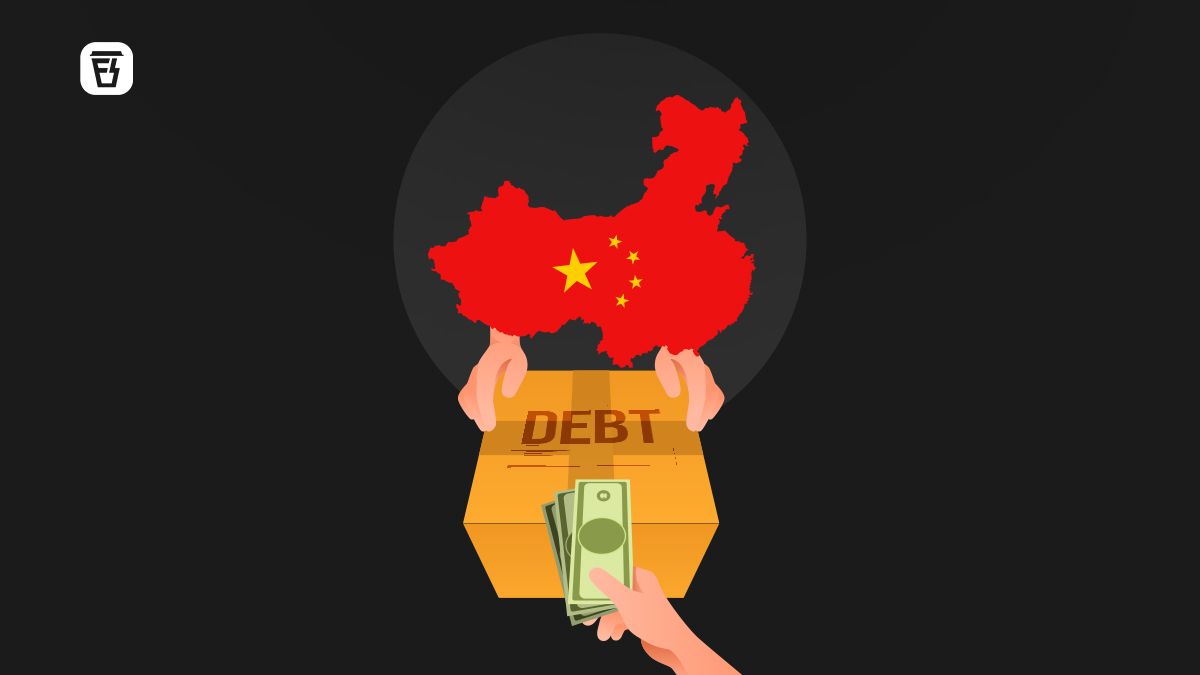
A Systemic Risk to Fiscal Stability
The 2026 Article IV report identifies the debt of Local Government Financing Vehicles (LGFVs) as a primary source of financial vulnerability for the People’s Republic of China. These off-balance-sheet entities, used by local authorities to fund infrastructure and real estate projects, have accumulated debt levels that threaten the stability of the broader banking system. Consequently, the IMF emphasizes that a comprehensive restructuring of local debt is urgent to prevent a fiscal crisis that could severely curtail public investment and regional growth.
Origins and the Funding Gap
Originally, LGFVs emerged as a workaround for local governments to bypass strict borrowing limits while meeting ambitious growth targets set by the central government. However, as land sales—the primary source of revenue for local authorities—have plummeted due to the real estate crisis, many LGFVs are now unable to service their debts. Furthermore, by early 2026, the IMF notes that nearly one-third of LGFVs are technically insolvent, relying on constant refinancing to stay afloat. This “hidden debt” is estimated to be significantly larger than official government figures, creating a shadow fiscal burden that limits China’s ability to deploy traditional stimulus measures.
Structure of the Debt Resolution Strategy
The IMF’s proposed resolution is organized around a “recognition and restructuring” framework led by the central government. Specifically, the authorities are encouraged to identify “non-viable” LGFVs and allow them to go through orderly liquidation or restructuring to reduce moral hazard. Moreover, the report advocates for a “debt-to-bond swap” program, where high-interest hidden debt is replaced with lower-interest, transparent provincial bonds. This structural shift is intended to improve the transparency of public finances and reduce the interest burden on local budgets, allowing resources to be redirected toward social services.
Interdependence with the Banking Sector
In contrast to a purely fiscal issue, the LGFV crisis is deeply intertwined with the health of the domestic banking sector, particularly smaller regional banks. For instance, these banks hold a large concentration of LGFV debt on their balance sheets, making them highly susceptible to any defaults. Therefore, the FMI warns that an unmanaged wave of LGFV failures could trigger a credit crunch, freezing lending to the private sector and accelerating economic contraction. This synergy between local debt and financial stability necessitates a delicate balance between enforcing market discipline and providing liquidity support.
Synthesis of Fiscal Reform and Long-term Resilience
The successful management of local debt relies on a fundamental reform of the fiscal relationship between the central and local governments. This objective includes aligning local spending responsibilities with their actual revenue sources to prevent the future accumulation of hidden debt. Simultaneously, there is a clear intent to move toward a more sustainable infrastructure financing model based on efficiency rather than volume. Ultimately, addressing the LGFV challenge is essential for China to secure its long-term fiscal resilience and maintain investor confidence in its transition to a modern, transparent economic system.
Source
International Monetary Fund. (2026, February). People’s Republic of China: 2025 Article IV Consultation-Press Release; Staff Report; and Statement by the Executive Director (IMF Country Report No. 26/44).