
Background and Context
New START expired on February 5, 2026, ending limits on U.S. and Russian strategic nuclear forces. President Trump aims for a new, improved, modernized arms agreement that includes China and limits all warheads.
U.S. Goals Going Forward
First, the U.S. wants China involved in arms control discussions. Second, Washington intends to limit all nuclear warheads, not just deployed ones. Third, Trump supporters argue these goals are strategically sensible.
Challenges From the Past
Previously, the U.S. tried to include China and comprehensive warhead limits. However, China refused to engage in negotiations. Russia agreed to warhead freeze but rejected verification.
Negotiations Will Require Time
A serious nuclear arms treaty cannot be negotiated quickly. New START took about one year to complete. Future talks will demand detailed work on weapons numbers and verification.
Bilateral vs. Multilateral Difficulties
A bilateral U.S.-Russia deal might still be possible. Adding China complicates equality principles in arms control. Expanding to include Britain and France would make negotiations more complex.
Nuclear Force Imbalances
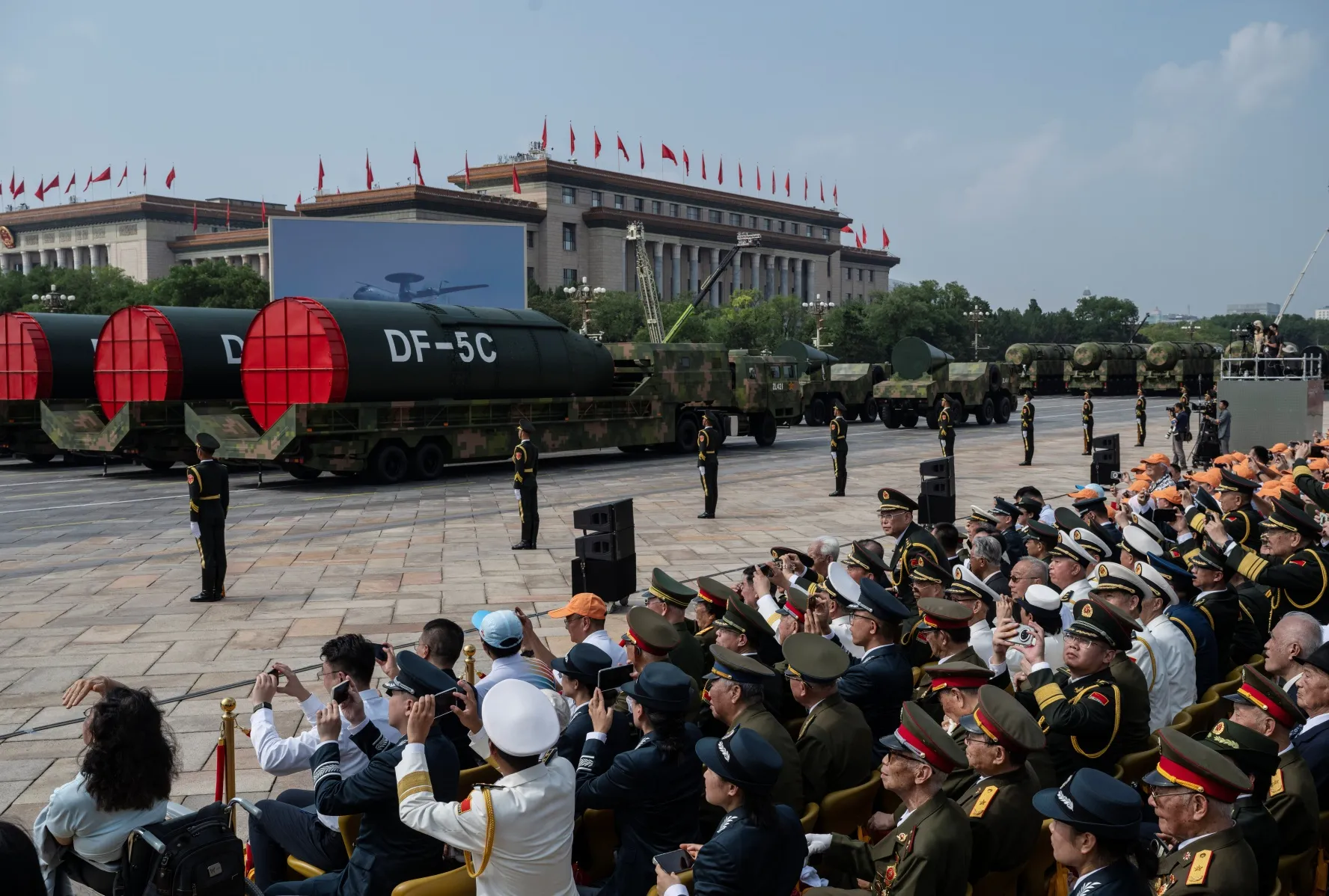
Even if China grows its arsenal, it likely remains smaller than U.S. and Russian forces. Current estimates place U.S. and Russian warheads far above Chinese totals.
Multilateral Confidence-Building Options
Established agreements could support multilateral notification measures. Examples include U.S.-Russia and Russia-China missile launch notices.
Persuading China and Russia to Join
Both nations worry about U.S. missile defense systems. Trump’s proposed “Golden Dome” space-based defense heightens those concerns. Negotiators may need to discuss defense limits to attract Chinese and Russian interest.
Other Negotiation Topics
Russia resists limits on nonstrategic nuclear weapons. The U.S. might consider discussing long-range conventional strike systems.
Conclusion
If serious about arms control, the administration must choose between a set of complex strategies. Efforts could focus on a U.S.-Russia deal or try for broader multilateral talks. Negotiations must start early to achieve meaningful constraints.
Source:
Pifer, S. (2026, febrero 19). What comes after New START? Brookings Institution. https://www.brookings.edu/articles/what-comes-after-new-start/