
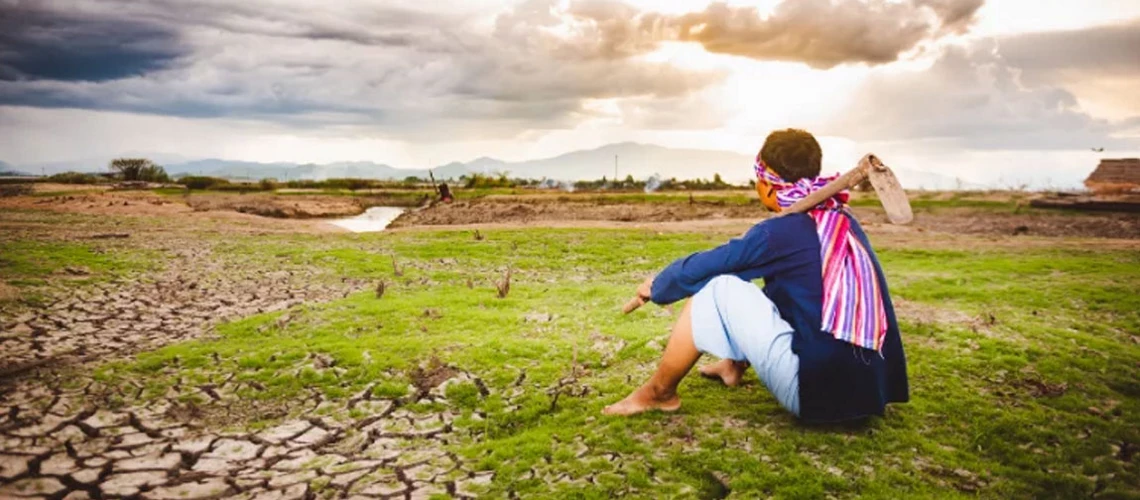
Southern Africa stands on the front line of the climate crisis. Drought is no longer an occasional shock, it is becoming a defining feature of the region’s future. These droughts threaten people’s health and security. More frequent and severe dry spells, driven by climate change, are straining agriculture and forcing communities to cope with crop losses, livestock deaths, and depleted water sources. These conditions undermine livelihoods and heighten vulnerability, especially among rural and low-income populations.
Building drought resilience must be a regional concern, because water systems, food trade and climate risks cross borders. Effective responses require cooperation in water management, early warning systems, and shared infrastructure. By coordinating drought preparedness and response plans, governments can reduce the humanitarian impact of dry periods and protect long-term development gains.
At the same time, resilience cannot be reduced to emergency response. It demands structural transformation: climate-smart agriculture, expanded irrigation, sustainable land management, and financial systems capable of protecting farmers and pastoralists from recurring shocks. Social protection programs must shield the most vulnerable, ensuring that drought does not permanently trap communities in poverty.
Early warning systems and climate data must translate into early action. Preparedness must replace reaction. Investment today will cost far less than repeated humanitarian crises tomorrow. Building drought resilience across Southern Africa is an environmental priority as well as it is an economic necessity, a security imperative, and a moral obligation.
Reference: World Bank. (2026, February 13). Building drought resilience across Southern Africa: A regional imperative. World Bank Blogs. https://blogs.worldbank.org/en/africacan/building-drought-resilience-across-southern-africa-a-regional-imperative