
Historical Echoes
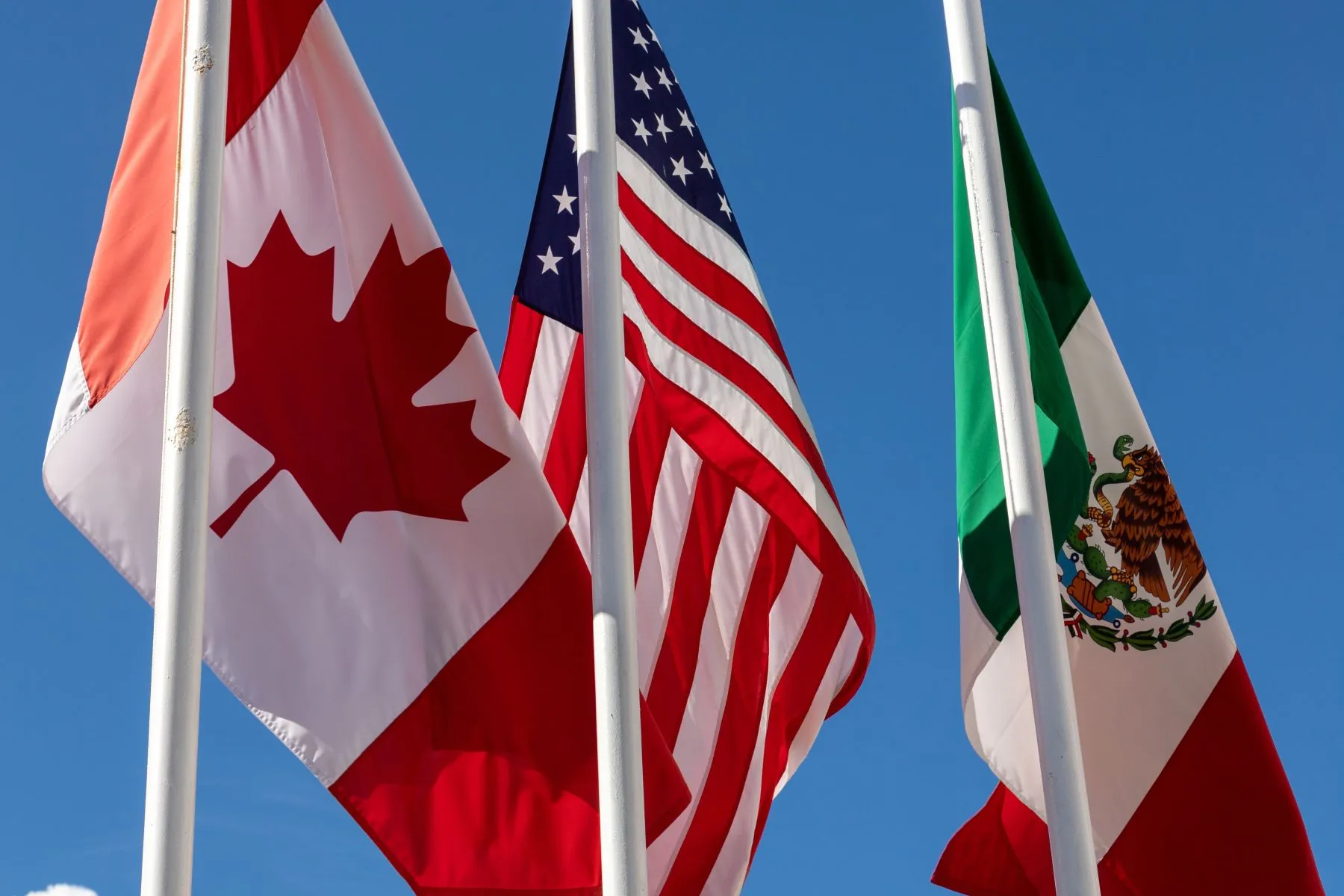
North America faced uncertainty during NAFTA’s renegotiation, and now a similar sense of unpredictability surrounds the first joint review of USMCA.
Review Framework
The six-year review process replaces NAFTA’s lack of update mechanisms, enabling adjustments for modern trade areas like digital commerce and intellectual property.
Possible Paths
Each member must decide whether to renew USMCA for 16 more years, withdraw with notice, or continue without renewal until 2036.
U.S. Position Signals
Testimony to congressional committees suggests the United States may avoid recommending renewal without changes unless concessions arise in joint talks.
Analytical Contributions
The report contains expert chapters evaluating trade flows, showing some growth alongside compliance gains under USMCA’s rules of origin.
Cross-Border Strains
Chapters also reveal strains in U.S. relations with Mexico and Canada, where tariff threats have harmed trust among major trading partners.
Sectoral Insights
Further analysis examines automotive, steel, agriculture, and pharmaceuticals sectors, highlighting uncertainty under shifting tariffs and trade measures.
Institutional Mechanisms
Other chapters assess the Rapid Response Labor Mechanism, dispute settlement records, and national labor conditions across the three countries.
Diverse Viewpoints
Voices from senior officials and business groups enrich the discussion with varied perspectives on USMCA’s strengths and areas for improvement.
Underlying Optimism
Optimism persists for North American economic integration, competitiveness, and innovation despite the review’s challenges and political pressures.
Forward Moment
Taken together, these analyses offer a timely contribution to evaluating and potentially strengthening North American trade under USMCA’s future.
Source:
Sands, C. (2026, March 4). United States-Mexico-Canada Agreement 2026: Review and déjà vu. Brookings Institution. https://www.brookings.edu/articles/foreword-usmca-forward-2026/