
THE CURRENT Brookings
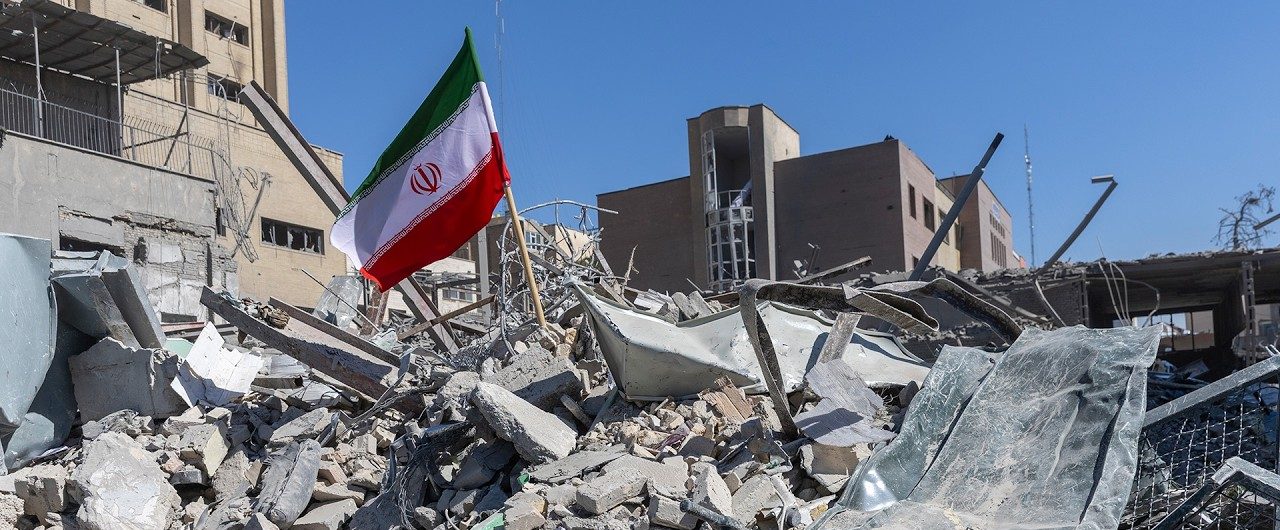
The Brookings Institution recently hosted a panel of top analysts to discuss the ongoing war in Iran. During the session, experts defined the situation as a “war of choice” for the U.S. administration. Moderated by Michael O’Hanlon, the discussion featured Philip Gordon, Mara Karlin, Jeffrey Feltman, and Suzanne Maloney. Together, they explored tactical challenges and the power vacuum following the death of Ayatollah Ali Khamenei.
Vague Objectives and New Military Phases
Philip Gordon highlighted a critical issue: the lack of a consistent message from the U.S. government. Objectives have shifted from destroying the nuclear program to supporting internal protests. On the other hand, Mara Karlin explained that the first military phase was a technical success. However, the second phase is much more complex. The use of small Iranian drones, which are difficult to intercept, poses a real threat to both troops and civilian targets.
Power Vacuum and Regime Resilience
Although the death of Ali Khamenei brought joy to some parts of the population, the system has not collapsed. Jeffrey Feltman warned that the regime has a deep structure with leaders ready to maintain its ideology. Suzanne Maloney added that there is currently no internal opposition capable of taking immediate control. Therefore, the result could be a more brutal version of the Islamic Republic, determined to hold onto power at any cost.
Strategic Recommendations and Security
Given this scenario, the experts suggested urgent measures. Karlin proposed using commercial ships for evacuations because the airspace remains unsafe. Additionally, she recommended learning from the anti-drone tactics used in Ukraine. For his part, Feltman criticized the lack of a robust evacuation plan for American citizens in the 14 affected countries in the region.
In conclusion, the panel emphasized that the military strike was the “easy” part. The real challenge will be managing the political vacuum. According to Maloney, the United States must create an incentive system so the next leadership in Tehran seeks a different future for its people.
Reference
Feltman, J., Karlin, M., Maloney, S., O’Hanlon, M. E., & Dews, F. (2026, March 5). What’s next for the Iran war? Experts discuss. Brookings Institution. https://www.brookings.edu/articles/whats-next-for-the-iran-war-experts-discuss/