
How a Wounded Islamic Republic Can Still Threaten the World
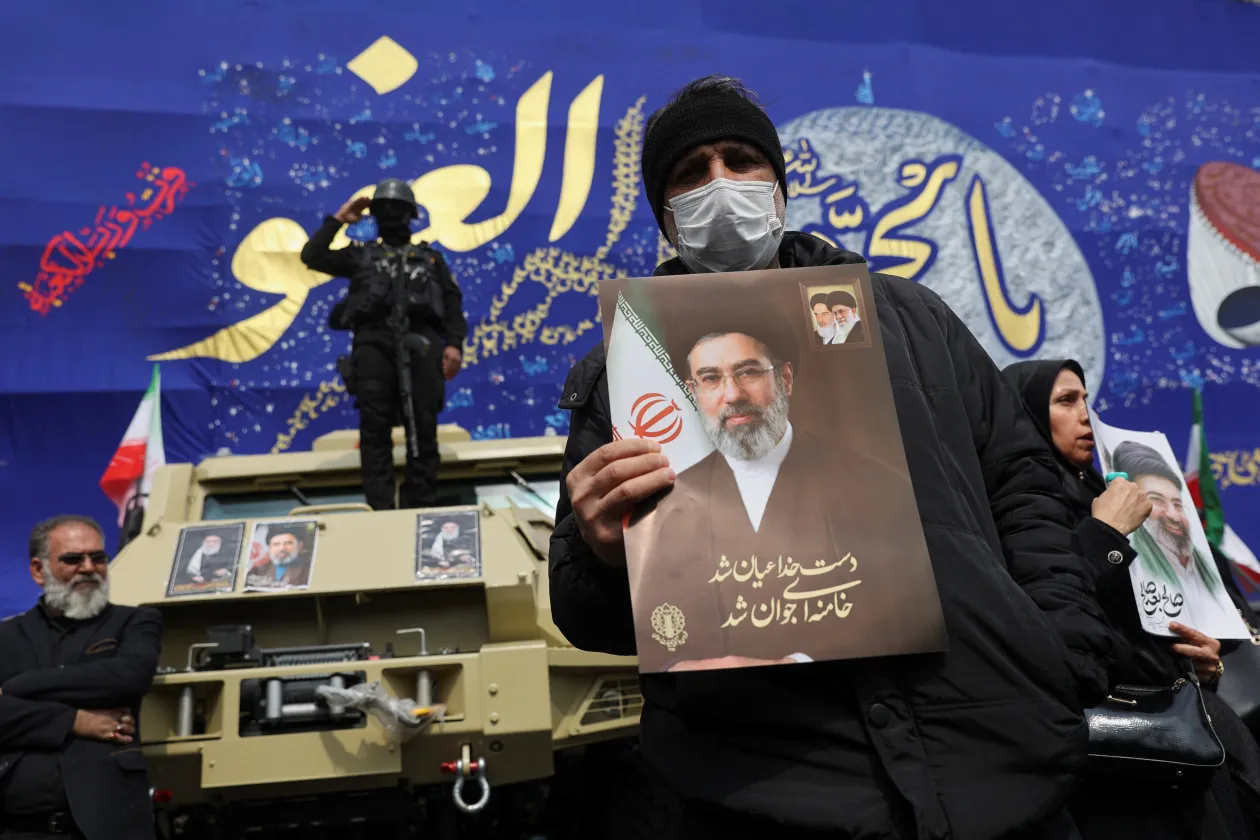
After two weeks of intense strikes by the United States and Israel, the Islamic Republic of Iran faces its weakest moment in history. The offensive has eliminated much of its top leadership, including Supreme Leader Ali Khamenei. Furthermore, the conflict has devastated critical strategic assets. Much of the Iranian navy is destroyed, its nuclear facilities are in ruins, and the headquarters of the Islamic Revolutionary Guard Corps (IRGC) has been leveled.
However, Afshon Ostovar warns that a wounded Iran remains highly dangerous. The regime has chosen Mojtaba Khamenei, the former leader’s hard-line son, to ensure continuity. Even though its military and economic infrastructure is crumbling, the IRGC remains functional and committed to a retaliatory campaign.
Survival and the Risk of Terrorism
Historically, the regime prioritizes its ideological survival over the well-being of the Iranian people. Because its conventional military capabilities are severely mermated, Iran will likely rely on asymmetric warfare. Terrorism is a low-cost tool that Tehran has mastered over decades. Therefore, there is a real risk of revenge attacks against American, Israeli, Canadian, or European citizens in third-party countries.
The nuclear situation is also reaching a critical point. The death of Ali Khamenei means his religious decree (fatwa) against nuclear weapons is no longer binding. Given the country’s profound military weakness, the new leadership might decide that building a nuclear bomb is the only way to restore deterrence.
An Uncertain Future
Some pragmatic elements within the regime might try to strike a deal with Washington to seek sanctions relief. However, Mojtaba Khamenei is unlikely to seek compromise. He has lost his father, mother, and wife in this war, making him an embittered and vengeful leader.
In conclusion, the analysis suggests the regime will not carry out substantive changes. Instead, a cornered and aggrieved cadre at the helm might lead Iran down an even darker and more violent path to maintain power.
Reference
Ostovar, A. (2026, March 12). The Dangers of a Weak Iran: How a Wounded Islamic Republic Can Still Threaten the World. Foreign Affairs. https://www.foreignaffairs.com/middle-east/dangers-weak-iran