
Regional debate over a possible G2
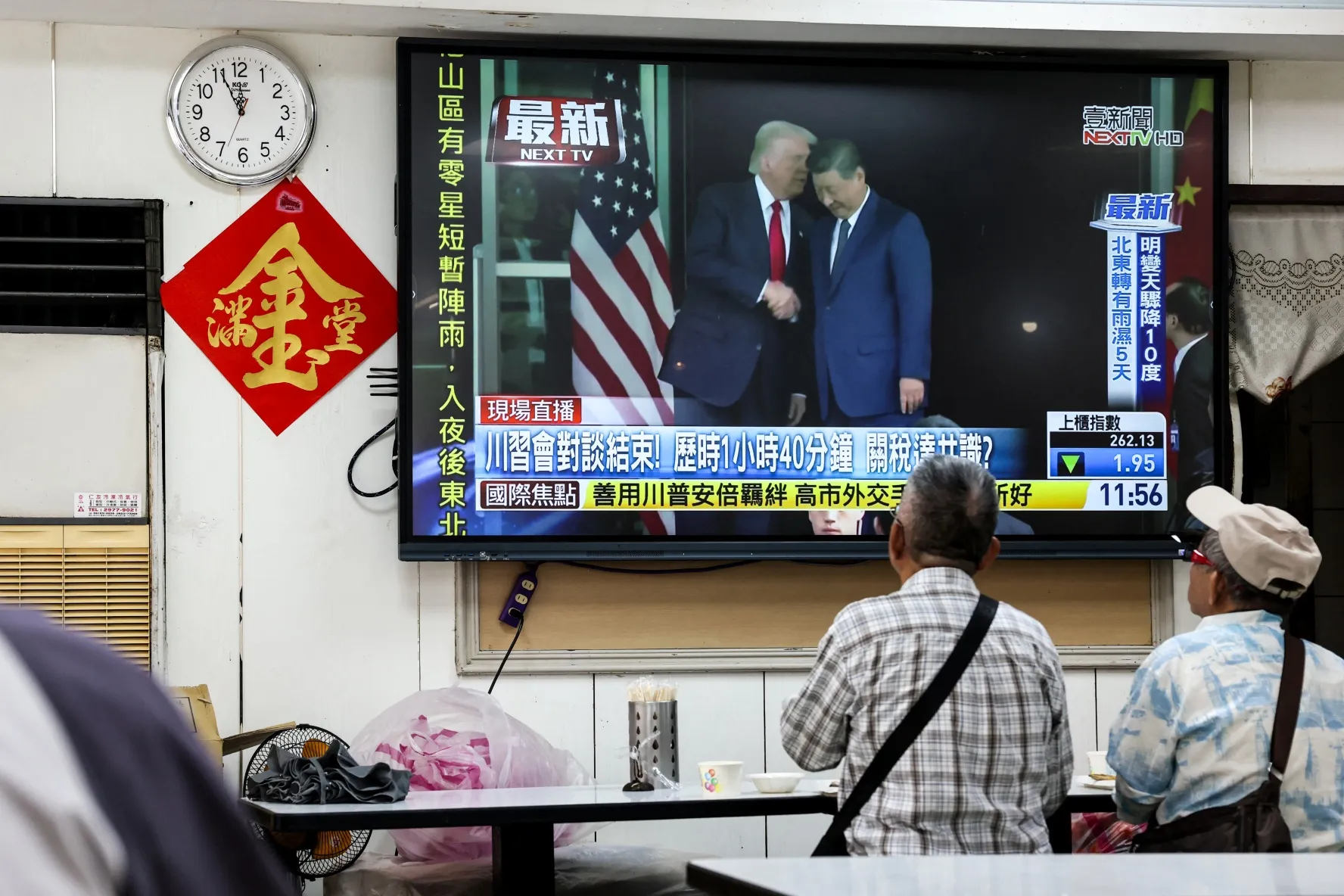
Perspectives across the Indo-Pacific evaluate whether a closer relationship between the United States and China could resemble a “G2,” meaning a system dominated by two great powers.
However, expectations of a major reset remain limited, since most regional observers anticipate continued rivalry between both countries despite periodic diplomatic engagement.
Tactical stabilization but enduring rivalry
Meanwhile, recent leader-level meetings and dialogue channels have temporarily stabilized relations and reduced immediate escalation risks.
Nevertheless, competition in technology, economics, and security is expected to persist, preventing a comprehensive strategic settlement between the two powers.
Concerns about great-power dominance
At the same time, many Indo-Pacific governments worry that a G2-style order could sideline smaller states from decision-making.
Consequently, an international system dominated by Washington and Beijing might weaken multilateral norms and entrench spheres of influence.
Strategic responses from regional states
Therefore, countries across the region are not passive observers but active strategic actors shaping their environment.
Governments are diversifying partnerships, strengthening defense capabilities, and investing in economic and technological resilience to manage uncertainty.
Australia’s dilemma
For Australia, the idea of a G2 historically generated anxiety because it implied the two powers could reshape global institutions without meaningful input from allies.
Thus, the U.S.–Australia alliance remains essential for maintaining Canberra’s relevance and protection against coercion by major powers.
Indonesia’s strategic calculation
Similarly, Indonesian perspectives view renewed talk of a G2 cautiously, since it could prioritize bilateral deals between Washington and Beijing over broader global governance.
Consequently, regional states must navigate relations carefully while protecting their own autonomy and interests.
Singapore’s pragmatic outlook
Meanwhile, Singaporean policymakers interpret improved U.S.–China dialogue as a temporary tactical pause rather than a structural change in the relationship.
Accordingly, uncertainty remains high because geopolitical tensions, trade disputes, and strategic competition could quickly re-intensify.
Persistent strategic uncertainty
Ultimately, Indo-Pacific perspectives converge on a similar conclusion.
Although limited cooperation between the United States and China may reduce short-term tensions, enduring rivalry will continue shaping regional politics.
Regional agency in a changing order
Therefore, countries across the Indo-Pacific are actively maneuvering within this uncertain environment.
By balancing relationships and strengthening resilience, they seek to preserve influence even if great-power dynamics dominate global politics.
Source:
Shullman, D., Grossman, D., & Kausikan, B. (2025). Indo-Pacific perspectives on the prospect of a U.S.-China G2. Brookings Institution. https://www.brookings.edu/articles/indo-pacific-perspectives-on-the-prospect-of-a-us-china-g2/