
Historical Truth and Democracy Understanding
First, understanding American identity requires acknowledging both freedom and oppression.
Learning about slavery, disenfranchisement, and Indigenous displacement reveals the foundations shaping democratic institutions and national development.
The Consequences of Historical Suppression
However, suppressing information about marginalized communities undermines historical truth and dishonors struggles for equality.
Such erasure can trigger counterreactions that attempt reversing social, racial, and political progress.
Contemporary Efforts to Restrict Historical Narratives
More recently, controversies surrounding historical representation illustrate these tensions.
Examples include removing exhibits about slavery and widespread attempts to ban books addressing racial, ethnic, religious, and LGBTQ+ experiences.
Launching “Uprooted: Rediscovering American History”
Consequently, scholars created the “Uprooted: Rediscovering American History” series.
The initiative highlights contributions of marginalized communities and analyzes policies addressing inequality, civil rights, and democratic inclusion.
Addressing Structural Inequality
Moreover, research shows institutional structures historically produced disparities in education, economic opportunity, health care, and criminal justice, challenging the belief that American society operates purely as a meritocracy.
Community Activism and Policy Change
Despite these barriers, communities mobilize through activism and advocacy.
Movements addressing immigration reform, racial justice, marriage equality, technological equity, and health care access demonstrate ongoing democratic engagement.
Policy Innovation and Collective Solutions
Therefore, the initiative promotes evidence-based policy ideas and community-led solutions.
Emphasizing fairness and strong civic networks aims to strengthen economic prosperity and democratic participation.
Key Themes for Future Research
Over the coming year, research will examine migration patterns, civic engagement, cultural inclusion, community health, and technological impacts on marginalized populations and democratic participation.
Migration and Social Transformation
Population movements within and into the United States shape cities, labor markets, cultural life, and policymaking while influencing housing access, health systems, and workforce development.
Civic Engagement and Collective Action
Additionally, social movements embody free expression and collective action. They empower communities to challenge inequality, demand rights, and expand democratic participation.
Culture, Identity, and Democratic Participation
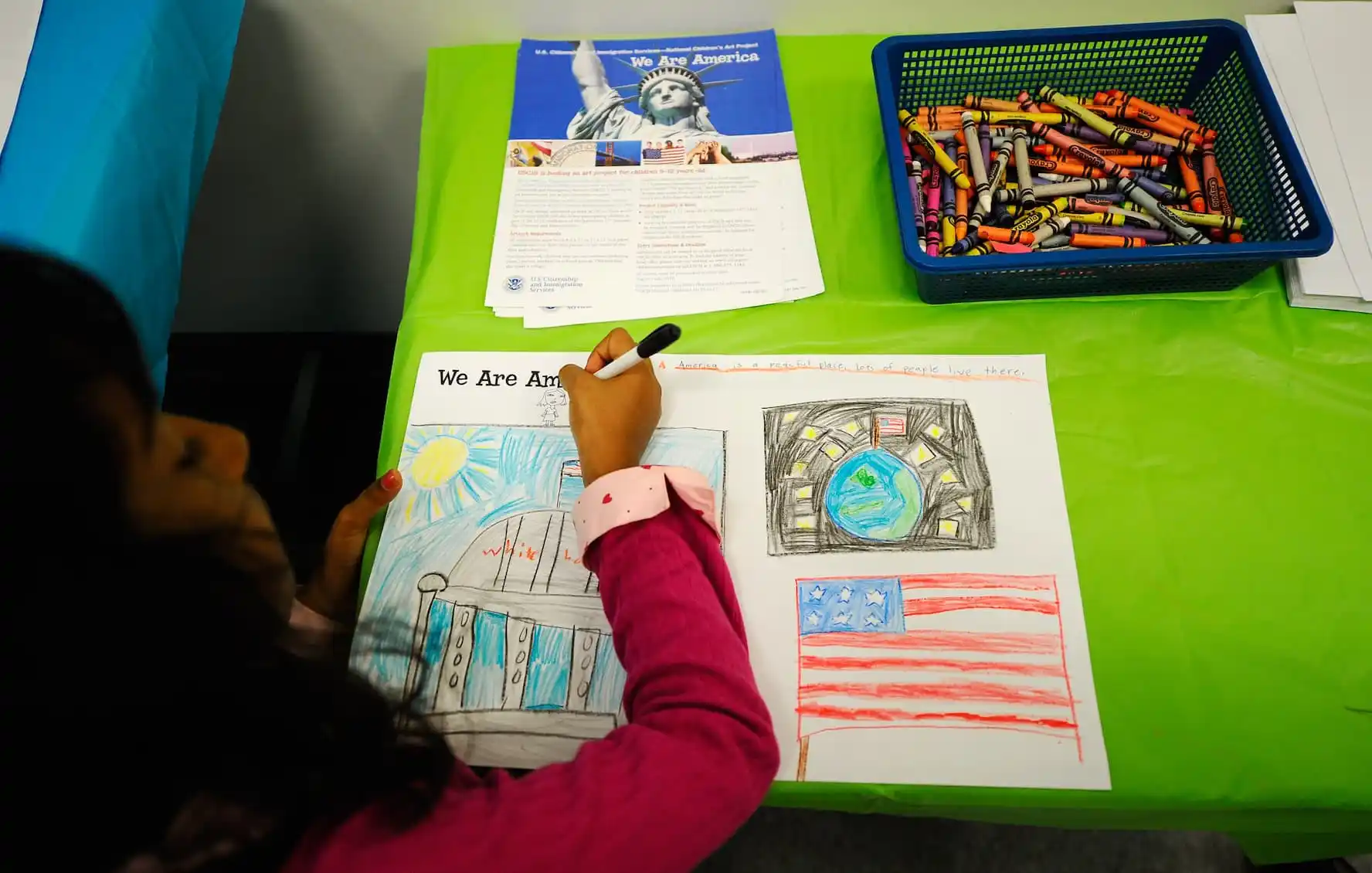
Similarly, storytelling, art, and cultural expression allow communities to articulate identity and political perspectives, strengthening inclusive democratic dialogue and preserving diverse historical narratives.
Health, Community and Social Opportunity
Meanwhile, health outcomes depend on social networks, neighborhood environments, and access to opportunity, highlighting the importance of equitable health care and supportive community conditions.
Technology, Data, and Democratic Risks
Finally, technology can spread misinformation and exploit vulnerable populations’ data.
Human-centered policies and inclusive leadership are necessary to mitigate bias and prevent widening inequality.
Toward a More Inclusive Democracy
Ultimately, centering the voices of historically marginalized communities strengthens democratic resilience and ensures the American narrative reflects the diverse experiences shaping the nation’s progress.
Source:
Brookings Institution. (2025). Restoring the voices that transformed American history and democracy. https://www.brookings.edu/articles/restoring-the-voices-that-transformed-american-history-and-democracy/