
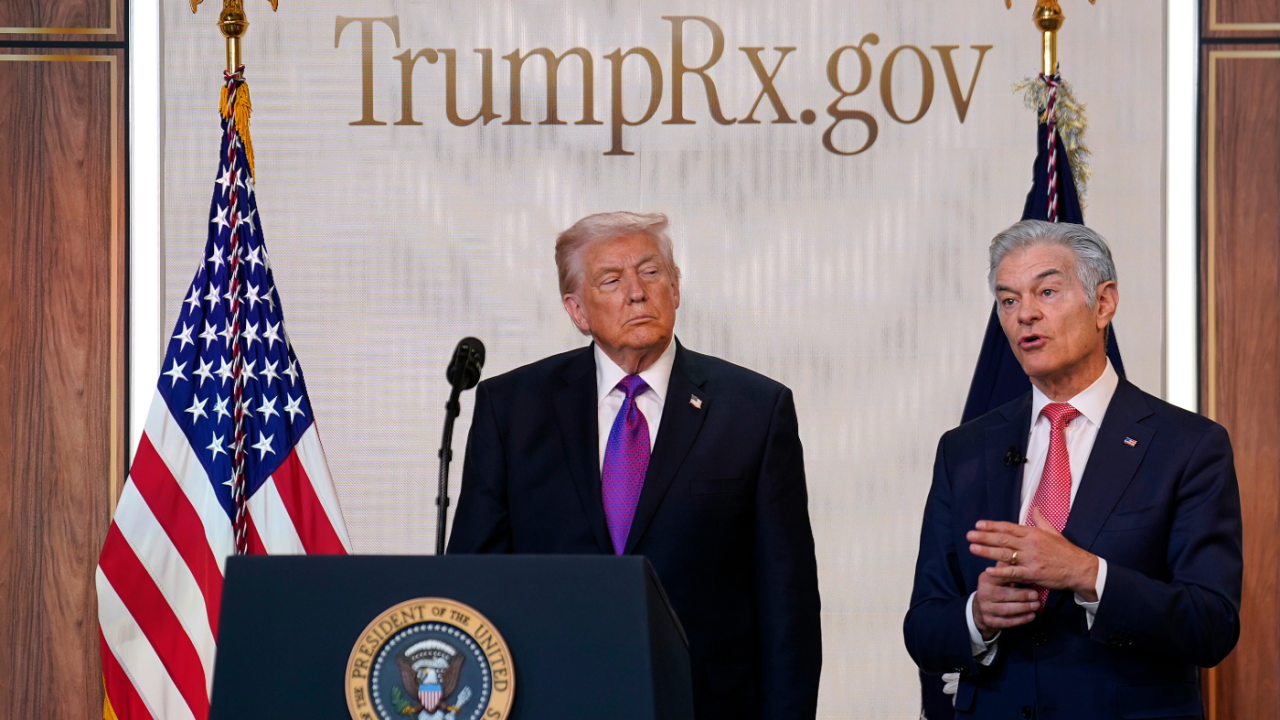
Rising Drug Prices in the United States
First, prescription drug costs in the United States exceed those in most developed countries, creating pressure on policymakers to pursue aggressive reforms targeting pharmaceutical pricing.
Executive Orders as a Policy Tool
Next, executive orders aim to reduce medication costs by directing federal agencies to change pricing rules, expand competition, and pressure pharmaceutical companies to lower prices.
Most-Favored-Nation Pricing Proposal
Moreover, a central proposal links U.S. drug prices to the lowest prices paid in other developed countries through a “most-favored-nation” pricing framework.
International Price Benchmarking
Consequently, the policy seeks to stop Americans from paying significantly more than foreign consumers for identical medicines produced by the same manufacturers.
Expanding Drug Importation and Competition
Additionally, reforms encourage importing medications from other countries and accelerating approval of generic and biosimilar drugs to increase market competition.
Targeting Industry Practices
Furthermore, policy actions attempt to limit anti-competitive practices in the pharmaceutical industry and reduce the influence of intermediaries that inflate drug prices.
Promises of Significant Price Reductions
Supporters argue that aligning U.S. prices with international levels could lower costs dramatically, potentially reducing prescription prices by large percentages.
Implementation Challenges and Uncertainty
However, practical implementation remains uncertain because regulatory complexity, industry resistance, and legal challenges may limit the immediate impact of these measures.
Broader Policy Debate
Finally, the debate highlights competing priorities: lowering drug costs for patients while preserving pharmaceutical innovation and investment in new medical treatments.
Source:
Trump executive orders on drug pricing. (2025). The Hill. https://thehill.com/opinion/healthcare/5742141-trump-executive-orders-drug-pricing/