
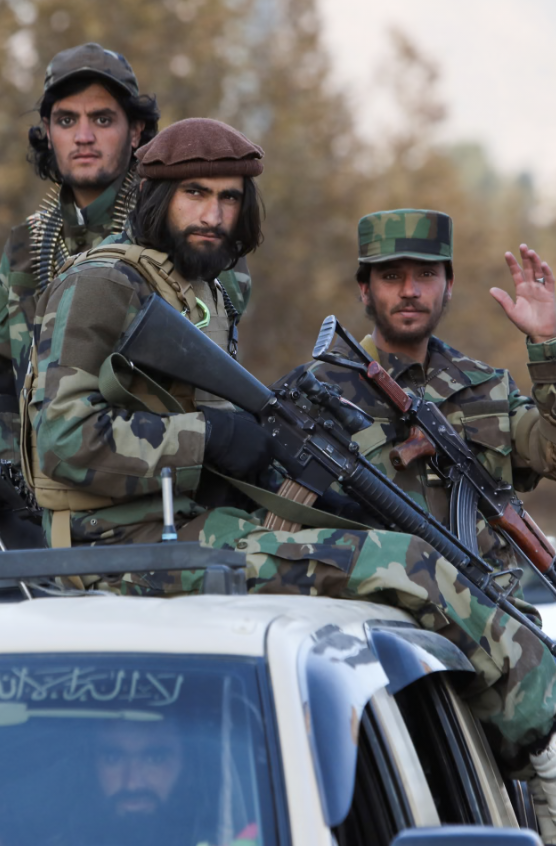
Origins of the Taliban
First, the Taliban emerged in the early 1990s after the Soviet withdrawal from Afghanistan. The movement combined former mujahideen fighters and religious students educated in Pakistani madrassas.
Consequently, the group gained support by promising order after years of conflict among rival factions. Stability and strict religious governance attracted many Afghans frustrated with warlord violence.
Soon afterward, Taliban forces captured Kandahar in 1994 and gradually expanded control across the country. By 1996, they seized Kabul and declared Afghanistan an Islamic emirate.
First Period of Taliban Rule
Initially, the Taliban governed most of Afghanistan during the late 1990s. Their regime enforced a rigid interpretation of Islamic law and imposed severe social restrictions.
Meanwhile, international concern increased because the government provided refuge to militant groups, including al-Qaeda. This relationship later shaped global security debates.
Fall of the Taliban Government
After the September 11 attacks, the United States demanded that Taliban leaders hand over al-Qaeda leader Osama bin Laden. When the Taliban refused, a U.S.-led invasion began in 2001.
As a result, the Taliban regime collapsed quickly and its leaders retreated into Afghanistan’s rural areas and across the border into Pakistan.
Insurgence and Return to Power
Over the next two decades, the Taliban reorganized and fought an insurgency against the Western-backed Afghan government and international coalition forces.
Eventually, the movement regained momentum as international troops withdrew. In August 2021, the Taliban rapidly took control of Kabul and returned to power.
Governance After 2021
Since returning to power, the Taliban have governed Afghanistan as an Islamic emirate under strict religious rules. Authorities have limited civil liberties and restricted political participation.
Furthermore, journalists, protesters, and activists have faced intimidation, surveillance, and arrests. Public punishments and strict social regulations have also reappeared.
Impact on Women and Society
Most significantly, women’s rights have been drastically curtailed. Girls are largely banned from secondary education and universities, and many women cannot work.
Consequently, female participation in public life has sharply declined. Many journalists and professionals have been forced to leave their jobs.
Economic and Humanitarian Conditions
Meanwhile, Afghanistan’s economy has deteriorated since the Taliban takeover. International aid reductions and sanctions have worsened poverty and unemployment.
As a result, widespread food insecurity and humanitarian needs have expanded across the country. Millions depend on international assistance to survive.
Terrorism and Security Concerns
International observers remain concerned about militant activity in Afghanistan. The Taliban maintain historical ties with al-Qaeda and face pressure to prevent terrorist operations.
At the same time, extremist groups such as the Islamic State affiliate in the region continue to conduct attacks inside the country.
International Response
Globally, many governments refuse to formally recognize the Taliban government. Sanctions and diplomatic isolation remain common policy responses.
Nevertheless, humanitarian assistance continues due to Afghanistan’s severe economic and social crisis. Aid organizations attempt to address food shortages and displacement.
Internal and External Challenges
Although the Taliban currently control the state, they face opposition from militant rivals and resistance groups. Some factions challenge their authority through sporadic attacks.
Additionally, tensions with neighboring Pakistan have intensified due to cross-border militant activity and security disputes.
Source:
Maizland, L. (2024). The Taliban in Afghanistan. Council on Foreign Relations. https://www.cfr.org/backgrounders/taliban-afghanistan