
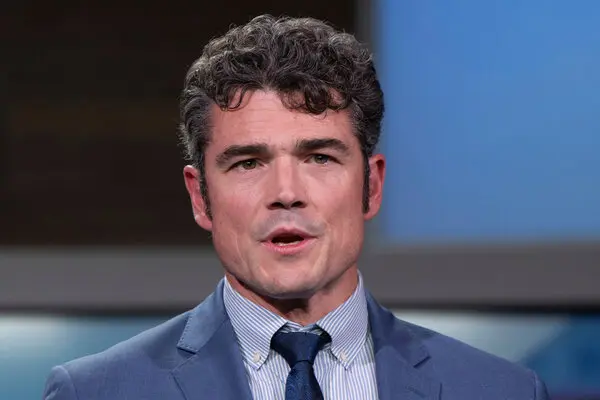
A Moral and Strategic Break in National Security
On March 17, 2026, Joe Kent, the Director of the National Counterterrorism Center (NCTC), submitted his immediate resignation in protest of the ongoing war against Iran. Kent, a key intelligence figure and a veteran of 11 combat deployments, stated that he “cannot in good conscience” support the conflict, asserting that Iran posed “no imminent threat” to the United States. Consequently, his departure marks the most significant internal rupture within the Trump administration since the start of “Operation Epic Fury.” His public break from the executive branch suggests that the justification for the war—largely based on preemptive security—is deeply contested by the very intelligence apparatus designed to verify such threats.
Origins and the “America First” Paradox
Originally, Joe Kent was a staunch ally of the “America First” movement, having championed the reduction of U.S. military entanglements in the Middle East during his political campaigns. However, the origin of his resignation lies in what he describes as a “misinformation campaign” led by high-ranking Israeli officials and members of the American media. In his resignation letter, Kent argued that the Trump administration was “deceived” into believing that a swift victory was possible and that the war serves no benefit to the American people. Furthermore, as a Gold Star husband whose wife, Navy Senior Chief Shannon Kent, was killed in Syria in 2019, Kent’s personal history lends significant emotional and political weight to his critique of “manufactured” wars.
Structure of Bureaucratic Dissent and Systemic Risk
The structure of Kent’s dissent is organized around a direct challenge to the influence of foreign lobbies on U.S. sovereign decision-making. Specifically, he alleged that the conflict was initiated due to “pressure from Israel and its powerful American lobby,” a claim that has triggered immediate accusations of anti-Semitism from some congressional Republicans while gaining praise from anti-interventionist Democrats. Moreover, the report highlights that Kent’s exit leaves a critical leadership void at the NCTC during a period of peak regional volatility, where the risk of domestic “lone wolf” attacks and militia retaliation is at an all-time high. This structured abandonment by a top official signals that the administration may be losing the support of its most isolationist base.
Synthesis of Policy Failure and Potential Realignment
The successful pursuit of U.S. foreign policy relies on a synergy between verified intelligence and executive action; a synergy that Kent claims has been completely severed. This objective is essential for the administration to maintain domestic legitimacy, which is now being eroded as high-profile figures from the president’s own camp begin to desert. Simultaneously, there is a clear intent among dissenters in Washington to use Kent’s departure as a catalyst for a War Powers challenge in Congress. Ultimately, the March 2026 resignation of Joe Kent provides a somber roadmap for the disintegration of the pro-Trump foreign policy consensus, signaling that the “America First” platform is being crushed under the weight of a new, high-cost regional war.
Reference
ITV News. (2026, March 17). US embassy in Baghdad targeted as Israel launches wide-scale strikes on Iran; Counter-terrorism chief Joe Kent resigns. ITV News. https://www.itv.com/news/2026-03-17/us-embassy-in-baghdad-targeted-as-israel-launches-wide-scale-strikes-on-iran