
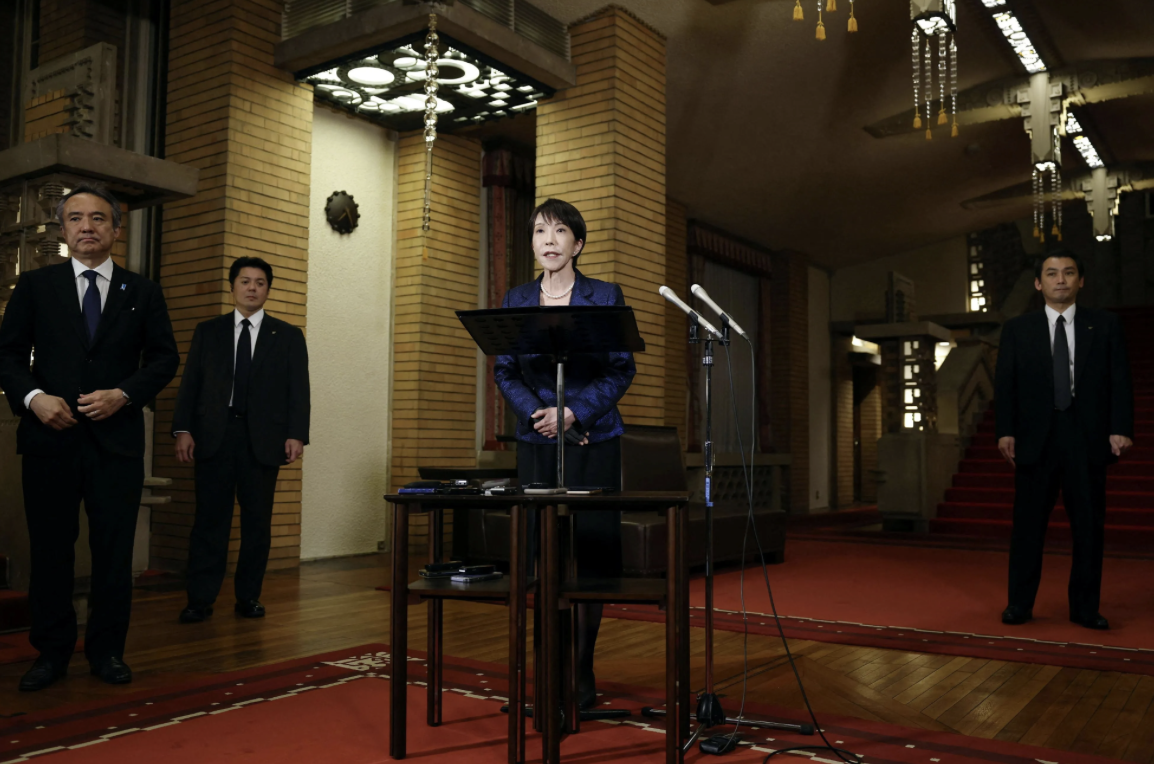
U.S. – Japan Meeting Under Pressure
Initially, the Washington visit aimed to strengthen the alliance; however, the Iran War transformed it into a high-stakes geopolitical test.
Electoral Strength and Domestic Priorities
Meanwhile, Takaichi secured a historic electoral victory, gaining a strong mandate to pursue economic reforms and cost-of-living policies.
Strategic Vision Beyond Economics
Moreover, her long-term agenda focuses on reshaping Japan’s strategic role, especially in security and alliance cooperation with the United States.
Legal Constraints on Military Action
However, constitutional limits restrict the use of Japan’s Self-Defense Forces, even after reinterpretations expanding collective defense options.
Pressure From the United States
Consequently, U.S. demands to escort oil tankers in the Strait of Hormuz created tension, as Japan cannot legally participate in wartime convoy operations.
Alternative Contribution to the Crisis
Instead, Japan focused on evacuating citizens, cooperating with partners, and supporting global oil supply through reserve releases.
Diplomatic Engagement Efforts
At the same time, Japan pursued diplomacy through the G7 and regional partners, advocating de-escalation and regional stability.
Balancing Relations With Iran
Additionally, longstanding ties with Iran encouraged some policymakers to seek diplomatic channels rather than military involvement.
A Delicate Balancing Act
Ultimately, Takaichi must balance domestic mandates, legal limits, and alliance expectations while navigating rising global conflict pressures.
Source:
Smith, S. A. (2026, March 18). The Iran war overshadows Takaichi’s Washington agenda. Council on Foreign Relations. https://www.cfr.org/articles/takaichi-walks-a-tightrope