
Introduction
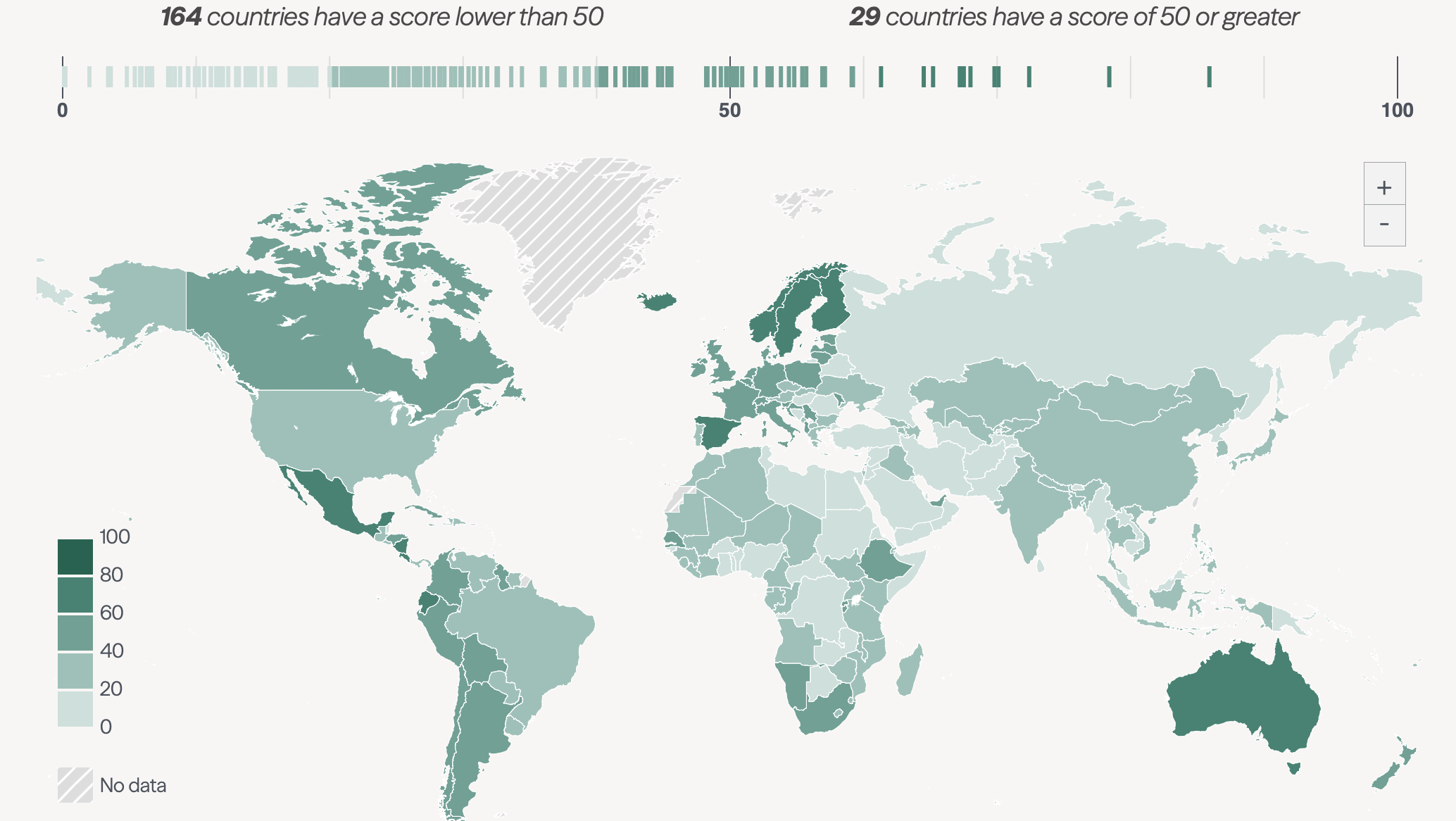
Firstly, the Women’s Power Index evaluates global gender parity in political participation across 193 UN member states.
Scope and Indicators
Moreover, it measures women’s representation as heads of state, cabinet members, legislators, candidates, and local officials.
Structure and Use
Additionally, interactive tools allow users to compare countries, visualize indicators, and analyze gender gaps in political power.
Recent Trends
However, progress has slowed, as gains in women’s political participation have stagnated or declined in recent years.
Furthermore, fewer countries have female leaders, and parity in cabinets and legislatures remains limited.
Importance of Representation
Consequently, higher female representation promotes cooperation, peacebuilding, democracy, and effective governance.
Likewise, reaching around 30 percent representation increases influence over policy and public spending priorities.
Political and Social Effects
In addition, women leaders often foster cross-party collaboration and reduce partisan conflict within institutions.
Similarly, their participation strengthens peace agreements and improves post-conflict political stability.
Democracy and Stability
Therefore, greater inclusion of women correlates with lower risks of civil war and reduced human rights abuses.
Likewise, increased representation reduces the likelihood of violent responses in international crises.
Social Welfare and Equality
Moreover, higher representation leads to expanded social spending, improved health and education outcomes, and stronger equality policies.
Additionally, women-led governments have demonstrated effective crisis management and stronger climate policy action.
Economic Impact
Furthermore, women’s political empowerment is associated with economic growth and technological development across countries.
Limitations and Challenges
Nevertheless, representation alone does not guarantee influence, as institutional barriers can limit women’s actual power.
At the same time, women in politics face structural obstacles, violence, and widespread online abuse.
Methodology
Finally, the index calculates a political parity score by averaging five indicators of women’s representation.
Thus, scores reflect numerical presence rather than direct policy impact or effectiveness.
Source:
Council on Foreign Relations. (n.d.). Women’s Power Index. https://www.cfr.org/trackers/womens-power-index