
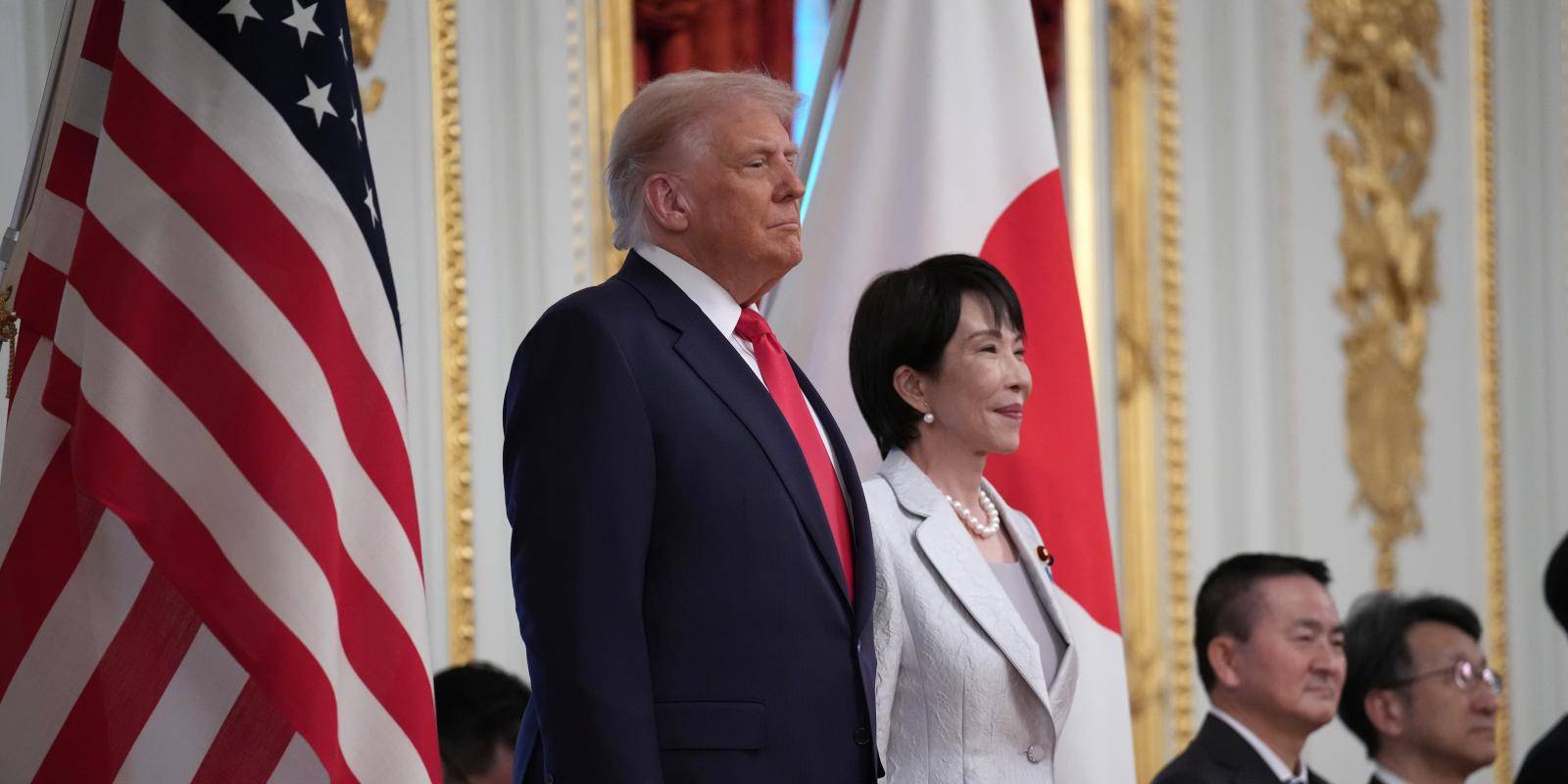
Japan’s Prime Minister Sanae Takaichi is navigating a complex relationship with Donald Trump’s second administration. Although both leaders share nationalist tendencies, their interaction is shaped more by pressure than alignment. The United States is demanding greater defense spending, economic concessions, and stronger strategic commitments, which puts pressure on Japan and can make the partnership feel unequal.
Security concerns make this balancing act even more difficult. Rising tensions in key regions and risks to global energy routes are pushing Japan to take on a more active military role. However, domestic legal limits and political sensitivities constrain how far Takaichi can go. Moving too cautiously could strain relations with Washington, while moving too far could provoke internal backlash and increase regional instability.
Economic relations also reveal underlying tensions. U.S. demands for investment and trade concessions raise concerns in Japan about autonomy and long-term benefit. Japan must continue working closely with its main ally while carefully negotiating terms that protect its own interests.
More broadly, this relationship reflects a changing international environment. The U.S.–Japan alliance is becoming less predictable and more transactional, shaped by competing priorities and shifting expectations. Takaichi’s challenge is not only to manage the relationship with Trump, but to redefine Japan’s role in a more uncertain global order.
Reference: Chatham House. (2026, March 15th). Takaichi takes on Trump. Chatham House. https://www.chathamhouse.org/2026/03/takaichi-takes-trump