
The Transition from Untapped Potential to Regional Growth
As of March 2026, South Asia remains a region of stark economic contrasts: while it boasts rapid GDP growth, it also has some of the lowest female labor force participation rates in the world. The World Bank report emphasizes that closing this gender gap is not just a social imperative but a massive economic opportunity. Specifically, if women’s participation rates were raised to match those of men, the region’s GDP could increase by up to 51%. Consequently, the #ClearHerPath campaign marks a transition from viewing women’s employment as a marginal “social issue” to recognizing it as a primary driver of national and regional prosperity.
Origins and the “Invisible Barriers” of the South Asian Workforce
Originally, development efforts in the region focused primarily on education, which has seen significant success; gender gaps in primary and secondary schooling have largely closed. However, the origin of the current bottleneck lies in the “Invisible Barriers” that prevent educated women from entering or staying in the workforce. These include:
- Safety and Transport: The high perceived and actual cost of physical safety in public spaces and transit.
- Care Responsibilities: The disproportionate burden of unpaid domestic, child, and elderly care.
- Legal and Normative Restrictions: Discriminatory laws and social norms that discourage women from working outside the home or in specific “non-traditional” sectors. Furthermore, the report highlights that even when women do work, they are often concentrated in the informal sector with lower pay and fewer protections.
The Structure of the “WePOWER” Network and Sectoral Breakthroughs
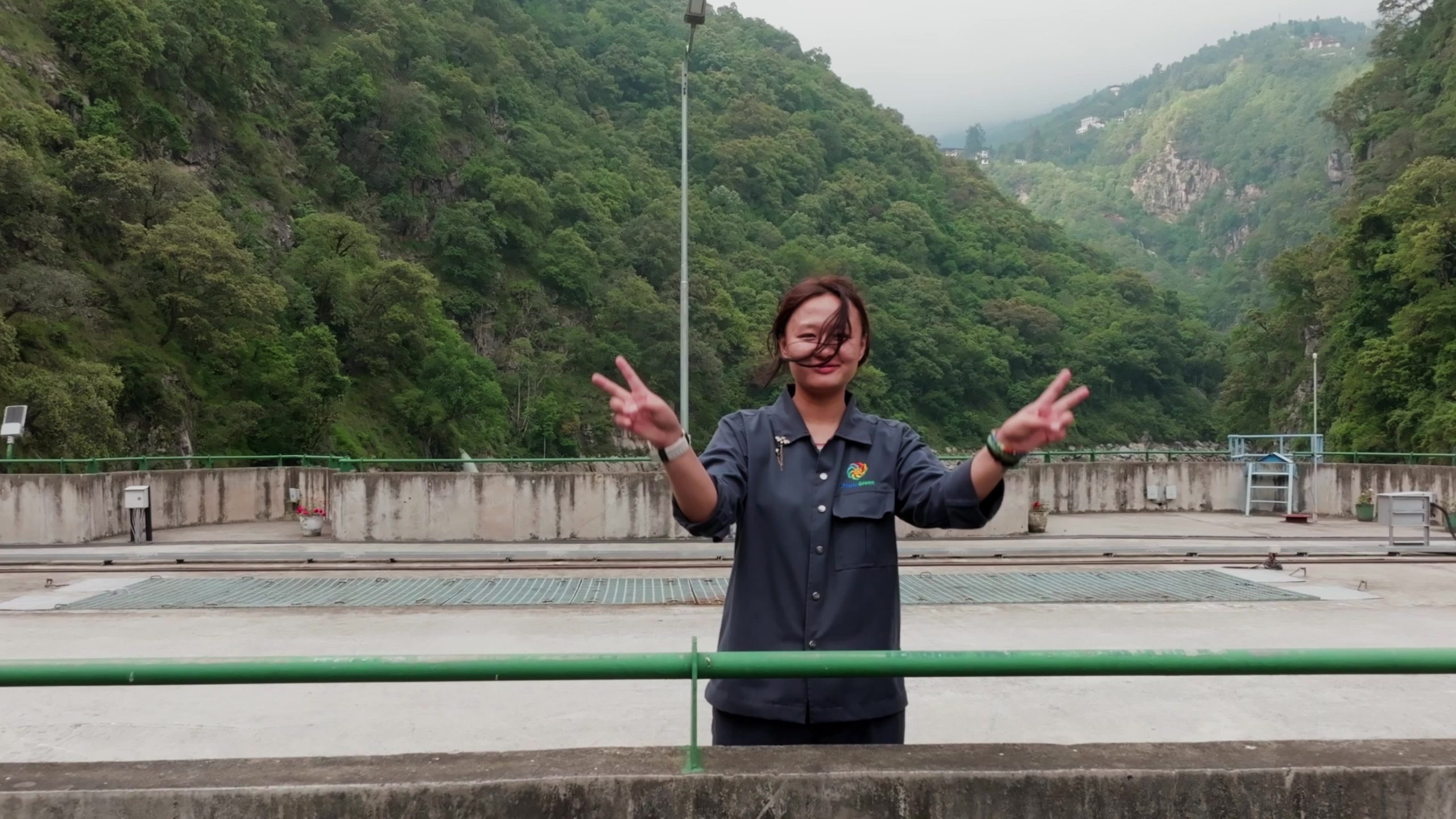
The structure of the World Bank’s intervention is organized around targeted sectoral networks like WePOWER, which specifically targets the energy and power sectors. By partnering with over 50 utilities across South Asia, WePOWER has benefited more than 235,000 women—including students and returning mothers—through mentorship, technical training, and recruitment drives. Specifically, in Bhutan, the Druk Green Power Corporation has used this framework to increase its female workforce by 15% since 2020. This structured approach proves that “clearing the path” requires more than just training; it requires changing the internal policies of major employers to make them “women-friendly” from the ground up.
Synthesis of Systemic Change and the Youth-Led Future
The successful integration of women into the South Asian economy now faces a paradox where individual “trailblazers” prove it is possible, but systemic change remains slow. This objective is essential to understand because it signals a shift in strategy: instead of asking women to change to fit existing systems, the #ClearHerPath campaign advocates for changing the systems to fit women. Simultaneously, the report showcases the role of youth-led organizations—such as Amplitude in Bangladesh—which are fighting social taboos and creating inclusive digital spaces. Ultimately, the World Bank report provides a stable warning: if South Asia does not clear the path for its women, it will continue to operate at only half of its true economic and intellectual capacity.
Reference
World Bank. (2026, March 3). #ClearHerPath: Breaking barriers to women’s employment in South Asia. World Bank Immersive Stories. https://www.worldbank.org/en/news/immersive-story/2026/03/03/clearherpath-breaking-barriers-to-women-s-employment-in-south-asia