
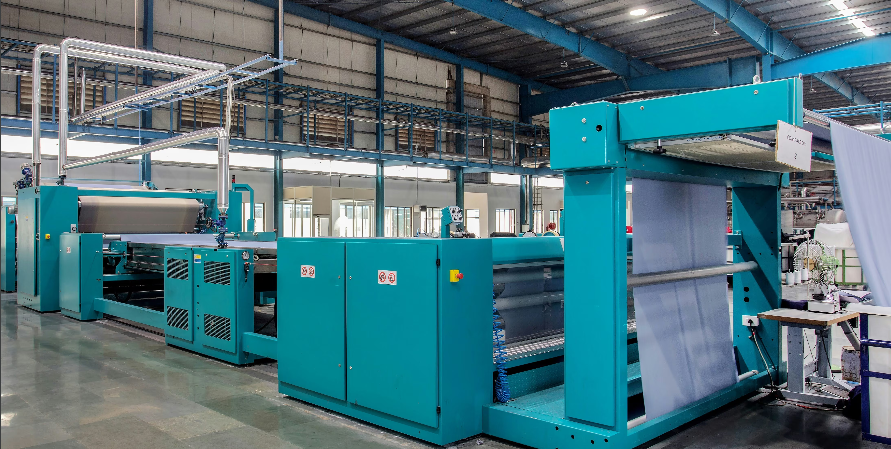
Physical AI is emerging as a key solution to fashion’s mounting waste problem, in which production systems generate around 92 million tonnes of discarded material every year due to overproduction, inefficient cutting and late defect detection. Instead of simply automating isolated, repetitive tasks, physical AI combines cameras, sensors and robotics in a continuous “sense, think, act, learn” loop that can handle soft, deformable fabrics in real time, allowing production lines to become more flexible, precise and responsive to demand. By detecting defects the instant they occur, these systems prevent flawed batches from progressing through the value chain, avoiding the accumulation of wasted fabric, labour and energy. They also enable dynamic material optimization, adjusting cutting patterns to fabric properties on the fly and, in cases like Unspun’s 3D weaving, producing “tubular, contour-woven fabrics” that match final garment shapes and practically eliminate cutting waste while improving fit.
This higher level of control makes smaller, frequent production runs economically viable, so brands can produce closer to real-time demand instead of relying on speculative orders that lead to billions of unsold items and up to 140 billion dollars in lost sales. Locating manufacturing nearer to end markets reduces shipping distances, cutting transport emissions and logistics costs while shortening lead times. However, scaling physical AI requires long-term collaboration among startups, manufacturers and investors to test and refine systems on real factory floors, across diverse fabrics and legacy infrastructures, especially in Asia, where most of the world’s textiles are produced and supply chains face intense geopolitical and cost pressures. As global brands seek partners that can deliver speed, quality assurance and verifiable sustainability, physical AI is already proving its return on investment through reduced waste, improved quality and faster throughput, creating a realistic path beyond the overproduction model that has dominated fashion for decades.
Reference
Nunes, C. (2026, March 31). How physical AI is transforming the fashion industry. World Economic Forum. https://www.weforum.org/stories/2026/03/physical-ai-fashion-manufacturing-water-waste/