
The Risk Is Not Just an Energy Shock—but Also a Debt Crisis. Foreign Affairs
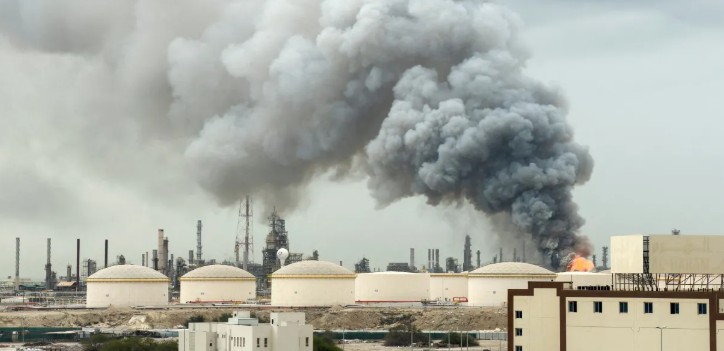
This article by Henry Tugendhat analyzes the global economic consequences of the Iran war, emphasizing that its impact extends beyond energy markets. The destruction of gas infrastructure in the Persian Gulf has triggered a supply shock with long-term implications. Even if the conflict ends quickly, rebuilding could take years. As a result, the war is expected to drive inflation, increase financial instability, and deepen global inequalities, particularly affecting low-income countries.
Energy shock and inflationary pressures
The article argues that attacks on energy infrastructure have effectively guaranteed a global supply shock. Reduced supply combined with persistent demand creates upward pressure on prices. Consequently, inflation is likely to rise across economies.
In response, financial markets anticipate tighter monetary policy. For example, expectations of higher U.S. interest rates emerged shortly after the strikes. This matters because rate increases raise borrowing costs for households and firms, affecting mortgages, loans, and production expenses. At the same time, higher energy prices increase the cost of goods and services, reinforcing inflationary pressures.
Debt vulnerability in a dollar-dominated system
The most significant risk identified is not inflation alone, but its interaction with global debt. Many countries hold debt denominated in U.S. dollars. Therefore, rising U.S. interest rates increase the cost of servicing that debt.
Low-income countries are particularly exposed. The share of countries in debt distress has already risen sharply, from 24% in 2013 to 54% in 2024. As a result, higher borrowing costs and energy prices compound existing fiscal pressures. Governments must allocate more resources to debt repayment instead of development.
This dynamic creates a hidden cost of the war. While energy shortages affect all economies, financial stress falls disproportionately on the most vulnerable countries. In turn, this could reverse progress in poverty reduction and economic development.
Historical parallels and structural risks
The article draws a comparison with the 1970s oil crises. During that period, energy shocks combined with high inflation and rising interest rates triggered a global debt crisis. Similarly, current conditions reflect a “polycrisis,” where multiple pressures interact simultaneously.
In the 1980s, U.S. rate hikes increased the burden of dollar-denominated debt. This led to widespread defaults across developing countries. Consequently, economic contraction, reduced social spending, and long-term stagnation followed. Some regions took decades to recover.
Today, structural risks are even greater. Debt is held by a more complex group of creditors, including private investors and Chinese institutions. As a result, coordination becomes more difficult, and restructuring processes may take longer.
A more complex and prolonged crisis
The article suggests that the current situation could produce a more prolonged crisis than in the past. The diversity of creditors complicates negotiations and delays resolution. Moreover, disagreements over burden sharing—particularly involving Chinese lenders—slow restructuring efforts.
At the same time, ongoing geopolitical tensions increase uncertainty. Continued disruptions in energy markets reinforce inflation and financial instability. Ultimately, the combination of energy shocks and debt fragility makes a prolonged global crisis increasingly likely, with the poorest countries bearing the greatest burden.
Tugendhat, H. (2026, April 8). How the Iran war will upend the global economy: The risk is not just an energy shock—but also a debt crisis. https://www.foreignaffairs.com/iran/how-iran-war-will-upend-global-economy