
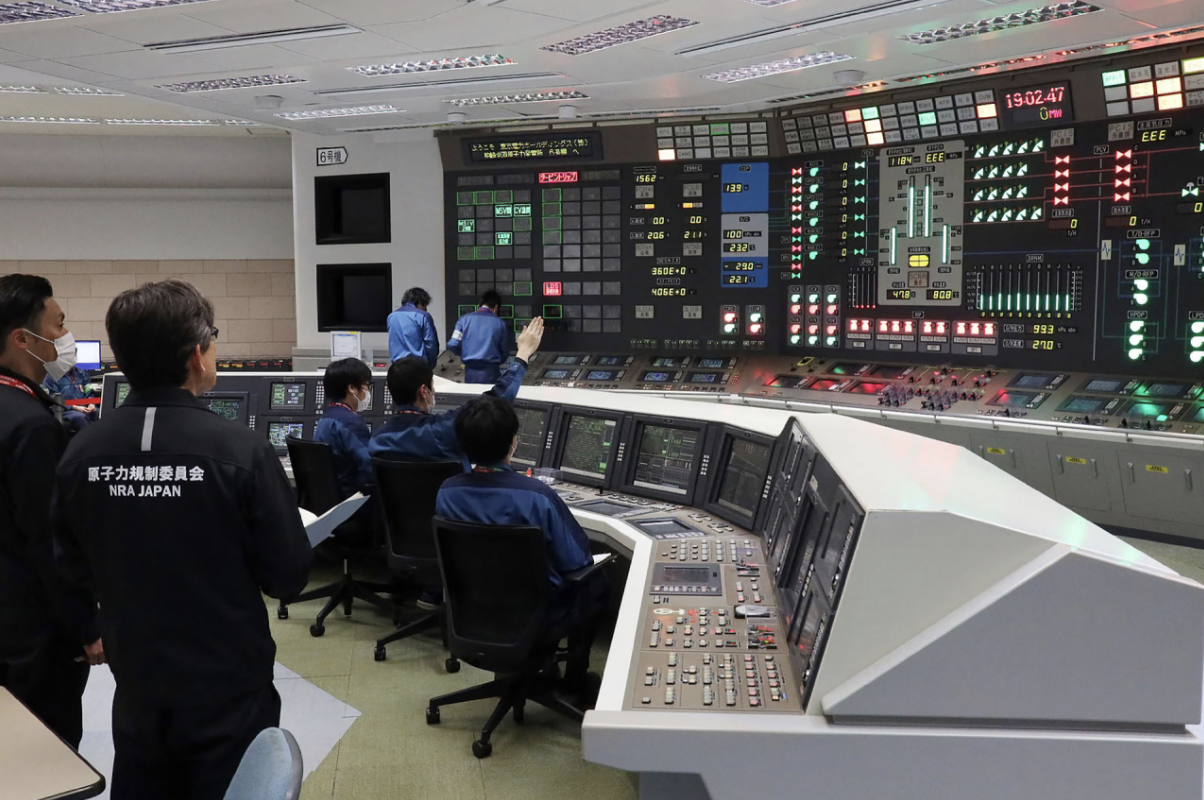
The Transition from “Protected State” to “Nuclear Hedger”
By mid-2026, America’s key Asian allies—specifically South Korea and Japan—have transitioned from a total reliance on U.S. extended deterrence to a posture of Nuclear Hedging. The CFR report highlights that these nations are rapidly expanding their civilian nuclear energy infrastructure while simultaneously developing the technical “latency” required to build a weapon on short notice. Consequently, the “Nuclear Taboo” that dominated the post-WWII era is being replaced by a doctrine of Strategic Self-Reliance. This suggests that these allies no longer view the U.S. security guarantee as a permanent fixture, especially in light of the NATO Withdrawal Threat (Article #97) and the administration’s focus on the Iran war.
Origins and the “Triple-Shock” of 2025
Originally, the proliferation of nuclear weapons in Asia was limited to “rogue states” like North Korea. However, the origin of the current shift lies in a “Triple-Shock”: the expansion of China’s nuclear arsenal, the persistence of North Korean missile tests, and the global energy volatility caused by the 2026 Middle East conflict. For 2026, the demand for “Net-Zero” carbon energy has provided a convenient political cover for the massive expansion of domestic enrichment capabilities. Furthermore, the report emphasizes that the Strait of Hormuzblockade proved that maritime-dependent nations cannot rely on “Globalized Energy” and must instead possess high-density, domestic power sources like nuclear energy.
The Structure of “Latent” Proliferation
The structure of this new nuclear landscape is organized around the concept of “Breakout Capability” rather than immediate weaponization. Specifically:
- Civilian Expansion: Japan and South Korea are reviving mothballed reactors and investing in Small Modular Reactors (SMRs) to ensure baseline energy sovereignty.
- The Enrichment Gap: There is an intensive push to gain domestic control over the “front end” of the fuel cycle (enrichment) and the “back end” (reprocessing), which are the dual-use pathways to fissile material.
- Institutional Friction: The article highlights the tension between these allies and the IAEA, as well as the U.S. State Department, which fears that a “Nuclearized Asia” would trigger a permanent and uncontrollable arms race with China and Russia.
Synthesis of the “Umbrella” Decay and the Proliferation Cascade
The successful pursuit of nuclear energy now faces a paradox where the search for Energy Security may lead to Regional Insecurity. This represents the “Proliferation Cascade” in Political Science, where one state’s defensive hedging is viewed as an offensive threat by its neighbors. There is a clear intent among Asian leaders to secure their survival in a “Post-American” world, but the structural reality is that “Nuclear Latency” may act as a magnet for pre-emptive strikes rather than a shield. Ultimately, it is clear that the Iran war has served as the final catalyst for Asia to conclude that in 2026, Sovereignty is Atomic; if you do not control your own energy and your own deterrent, you are merely a guest in someone else’s sphere of influence.
Reference
Council on Foreign Relations. (2026, April 10). Why U.S. allies in Asia are chasing nuclear energy and eyeing nuclear weapons. CFR Global Security Briefs. https://www.cfr.org/articles/why-u-s-allies-in-asia-are-chasing-nuclear-energy-and-eyeing-nuclear-weapons