
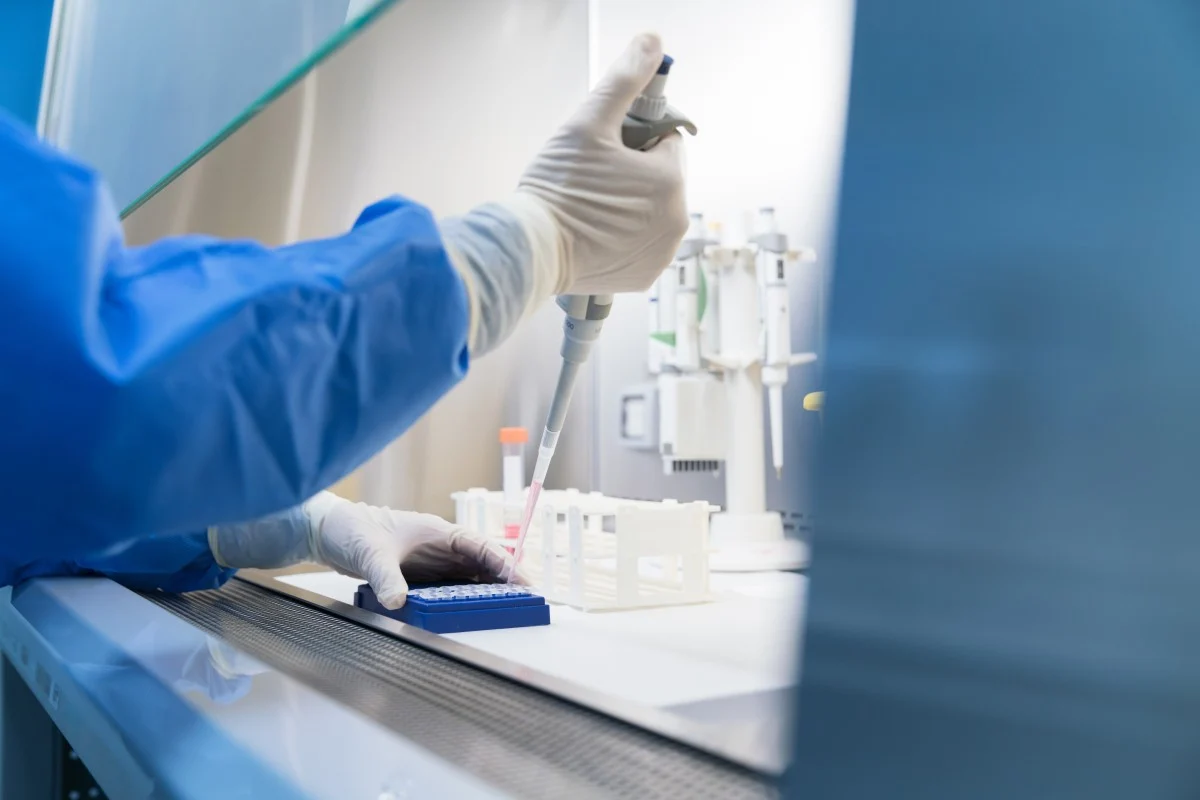
Biotechnology Enters the U.S.–China Rivalry
Biotechnology is becoming a new area of strategic competition between the United States and China. According to South China Morning Post, China’s biotech industry is rapidly moving up the value chain, creating new concerns in Washington about technological dependence, national security and future medical innovation. This suggests that the U.S.–China technology rivalry is no longer limited to semiconductors, artificial intelligence or clean energy.
China’s Biotech Industry Gains Ground
Chinese biotech companies have expanded their global role through stronger research capacity, faster drug development and growing international partnerships. The article notes that cross-border licensing deals involving Chinese firms reached a record value in the first quarter of 2026. This shows that China is no longer only a manufacturing base for pharmaceuticals, but an increasingly important source of innovation in advanced medicine and biotechnology.
U.S. Concerns Over Dependence
The rise of Chinese biotechnology has created concerns among U.S. lawmakers and industry leaders. As American pharmaceutical companies rely more on Chinese research, manufacturing and licensing agreements, policymakers fear that biotechnology could become another area of strategic vulnerability. Similar to semiconductors, dependence on foreign supply chains in a sensitive sector may raise questions about economic security, public health and national defense.
Biotech as a Strategic Sector
Biotechnology is especially important because it affects health care, drug development, food systems, data, genetics and national security. For this reason, future restrictions on Chinese biotech firms could reshape global pharmaceutical supply chains and scientific cooperation. However, tighter controls could also create costs for international research, since innovation in medicine often depends on cross-border collaboration between companies, universities and laboratories.
International Relevance
Overall, the SCMP report shows that biotechnology may become the next major front in U.S.–China technological competition. The issue matters internationally because it connects medical innovation, supply chain security, investment, public health and geopolitical rivalry. If biotechnology becomes more restricted, the effects could be felt not only in China and the United States, but also across global health systems and pharmaceutical markets.
Reference: South China Morning Post. (2026, June 2). The next tech war? Why biotech may become a new US-China battleground. South China Morning Post.