
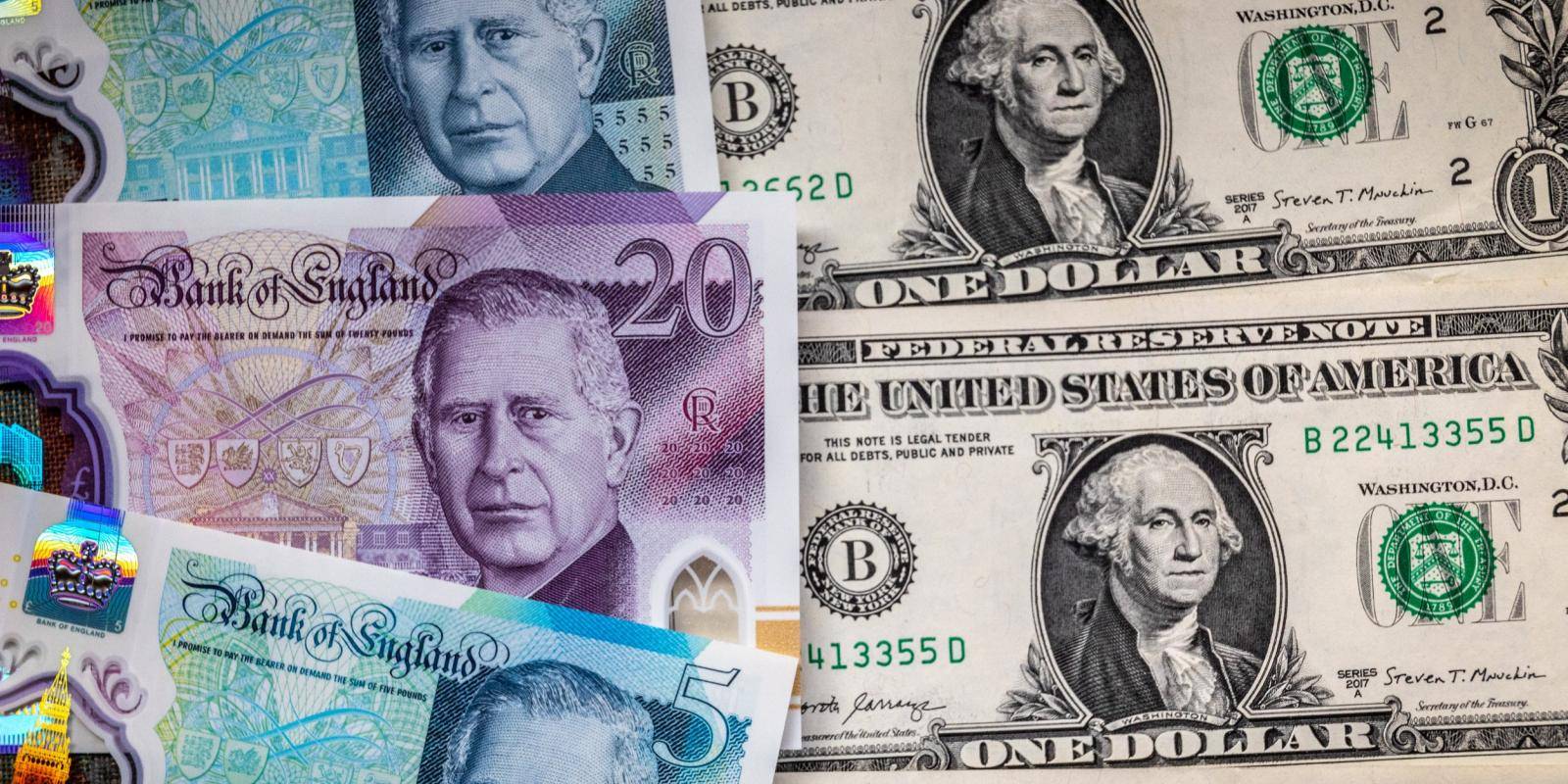
For decades, the U.S. dollar has occupied a unique position at the center of the global financial system. It dominates international trade, serves as the principal reserve currency for central banks, and remains the preferred asset during periods of uncertainty. Yet growing geopolitical tensions, expanding public debt in the United States, and efforts by rival powers to reduce their dependence on the dollar have fueled recurring predictions of its decline. While these concerns are not entirely unfounded, they often overlook an important distinction: losing some influence is very different from losing dominance altogether.
The international monetary system is not undergoing a sudden rupture but a gradual transformation. Countries such as China, Russia, and members of the BRICS grouping have promoted alternatives to dollar-based transactions, motivated partly by concerns that financial dependence on the United States can create political vulnerabilities. The use of sanctions against states and financial institutions has reinforced these concerns, encouraging some governments to explore mechanisms that reduce their exposure to the American financial system.
Despite these efforts, replacing the dollar remains extraordinarily difficult. A global reserve currency requires more than economic size. It depends on deep financial markets, legal predictability, institutional credibility, and the confidence that assets can be bought or sold without major restrictions. The United States continues to offer advantages in all these areas. Even governments that seek to diversify their reserves often return to dollar-denominated assets during moments of crisis, reflecting the enduring trust placed in American financial markets.
China is frequently presented as the most likely challenger. Its economic influence has expanded significantly, and Beijing has promoted greater international use of the renminbi. However, important obstacles remain. Capital controls, state intervention in financial markets, and concerns about transparency limit the currency’s attractiveness as a global alternative. Many countries may welcome a more diversified monetary system, but they remain hesitant to place the same level of confidence in Chinese institutions that they currently place in American ones.
Rather than witnessing the emergence of a new monetary hegemon, the world appears to be moving toward greater fragmentation. More transactions may occur in regional currencies. Bilateral agreements could become increasingly common. Financial networks may diversify as governments seek to reduce strategic dependencies. Yet these changes are likely to erode the dollar’s share of global activity gradually rather than displace it entirely. The currency’s role may become somewhat smaller, but it will remain central to international finance for the foreseeable future.
This evolution reflects a broader shift in global power. Economic influence is becoming more dispersed, and countries are searching for greater autonomy in an increasingly competitive geopolitical environment. However, diversification should not be confused with replacement. A system can become more multipolar without abandoning its dominant currency.
The debate therefore concerns the pace and scale of change rather than the prospect of imminent collapse. The dollar faces genuine challenges, and its relative importance may decline over time. Nevertheless, the foundations that support its global role remain largely intact. The most likely future is not one in which the dollar suddenly falls from its position, but one in which it gradually shares more space within a financial landscape that is becoming more complex, more fragmented, and more politically contested.
Reference: Ronicle, D. (2026, June 10). The dollar will decline, not fall. Chatham House. https://www.chathamhouse.org/2026/06/dollar-will-decline-not-fall