
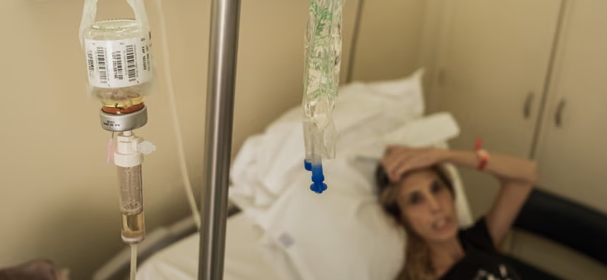
WHO projects a sharp rise in global cancer cases.
The World Health Organization (WHO) estimates that one in five people will develop cancer during their lifetime, while 92% of the global population will be affected either through a personal diagnosis or that of a close family member. The report states that there are currently 20.6 million new cancer cases and 10 million deaths each year. Moreover, annual cases could increase to nearly 35 million by 2050, despite significant scientific advances in cancer treatment.
Inequalities continue to limit access to care.
The report highlights persistent inequalities in cancer prevention, diagnosis, treatment and care across countries. For example, about 85% of patients diagnosed with breast or childhood cancers survive at least five years in high-income countries, whereas survival falls below 30% in lower-income nations. In addition, access to essential cancer medicines remains limited in many developing countries, and 23 countries still have no radiotherapy facilities.
WHO calls for stronger investment in cancer care.
The report also found that two-thirds of countries do not include cancer services in their universal health coverage packages. Consequently, many patients discontinue treatment because of high costs, while families experience significant financial and emotional hardship. However, the WHO also identified encouraging progress, including declining tobacco use and a credible pathway toward eliminating cervical cancer. Therefore, the organization urges governments to invest in comprehensive cancer services, from prevention and early diagnosis to treatment and long-term care.
Reference
Lay, K. (2026, July 8). Cancer cases expected to soar worldwide, WHO report finds. The Guardian. https://www.theguardian.com/global-development/2026/jul/08/health-who-global-persistent-inequities-progress-cancer-prevention-diagnosis-treatment-care