
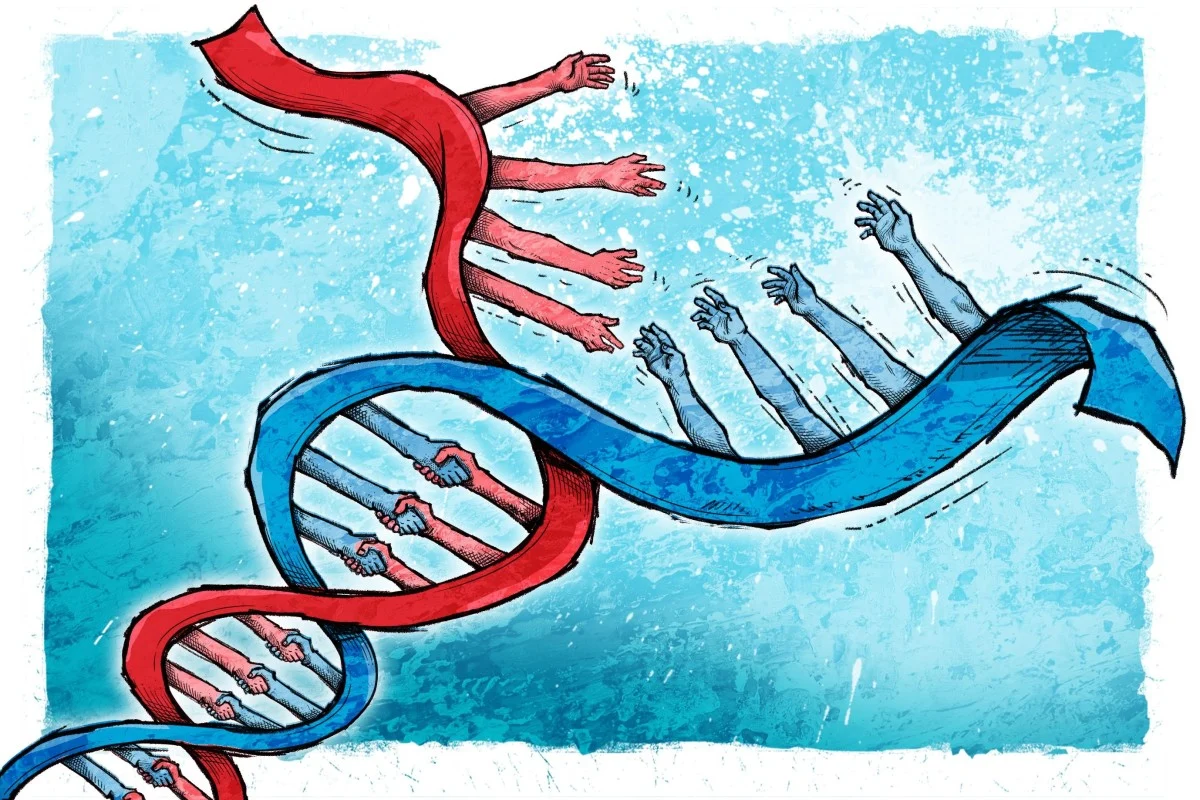
Scientific cooperation between the United States and China has supported global innovation for decades. However, growing geopolitical tensions are changing that relationship. National security concerns have encouraged both countries to reduce scientific collaboration. As a result, researchers now face new barriers that could slow technological progress and limit international cooperation.
The article explains that scientific decoupling extends beyond politics. Instead, it directly affects universities, research institutions, and innovation networks. Joint research projects have become more difficult to organize. In addition, stricter regulations and increased scrutiny discourage scientists from working across borders. Therefore, many researchers are reconsidering international partnerships.
At the same time, both governments argue that protecting sensitive technologies is essential for national security. Advanced research in artificial intelligence, semiconductors, quantum computing, and biotechnology has become strategically important. Consequently, scientific collaboration is increasingly viewed through the lens of geopolitical competition rather than shared discovery.
The long-term consequences could extend far beyond the United States and China. For example, fewer collaborative projects may reduce the pace of scientific breakthroughs that benefit the global community. Moreover, young researchers could lose valuable opportunities to exchange knowledge and develop international networks. These changes may also increase research costs and duplicate scientific efforts.
Nevertheless, complete scientific separation remains unlikely. Many global challenges, including climate change, public health, and emerging technologies, require international cooperation. Overall, the article argues that balancing national security with scientific openness will be one of the defining policy challenges of the coming decade. Finding that balance will shape the future of global innovation and technological leadership.
Reference
Peng, D. (2026, July 9). US-China scientific decoupling: The hidden costs of geopolitical rivalry. South China Morning Post. https://www.scmp.com/news/china/science/article/3359846/us-china-scientific-decoupling-hidden-costs-geopolitical-rivalry