
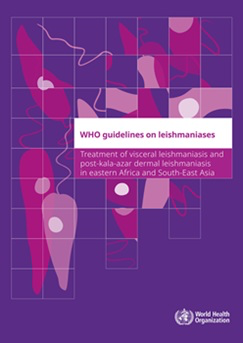
The World Health Organization published major updates to the WHO leishmaniasis treatment guidelines, introducing safer, shorter, and more patient-friendly therapeutic regimens. Reporting by the WHO targets visceral leishmaniasis (VL, or kala-azar) and post-kala-azar dermal leishmaniasis (PKDL) across endemic regions in eastern Africa and South-East Asia. Consequently, these evidence-based updates eliminate reliance on highly toxic, long-course injectable medications while accelerating global disease elimination targets.
Shorter Regimens and SSG-Free Therapeutics
Historically, treating visceral leishmaniasis in Africa relied heavily on painful, highly toxic daily injections of sodium stibogluconate (SSG). Under the new framework, the WHO recommends a 14-day combination of oral miltefosine and paromomycin injection, reducing treatment duration and toxic side effects.
“For too long, patients suffering from leishmaniasis have endured treatments nearly as punishing as the disease itself,” stated Dr. Daniel Ngamije Madandi, WHO Director of Malaria and Neglected Tropical Diseases.
Specifically, the guidelines also establish shorter combination therapies for PKDL, replacing cumbersome 12-week regimens in South-East Asia.
Country Adoption and Global Impact
Furthermore, the updated guidelines incorporate weight-band-based allometric dosing for miltefosine to enhance pediatric safety. Endemic nations like Kenya are already aligning their national health protocols to deploy these treatments rapidly.
Therefore, transitioning to safer therapeutic options protects vulnerable rural populations from severe medical complications. Moving forward, coordinated international procurement will ensure these life-saving therapies reach affected communities efficiently.
World Health Organization. (2026, July 29). WHO updates treatment guidelines on visceral and post-kala-azar dermal leishmaniasis. WHO Departmental Updates. https://www.who.int/news/item/29-07-2026-who-updates-treatment-guidelines-on-visceral-and-post-kala-azar-dermal-leishmaniasis